
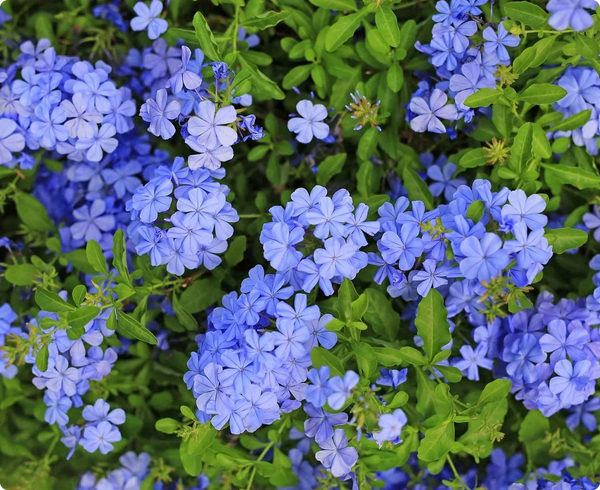
Annuals
Bold, season-long color that lets you refresh your garden's look year after year.

At Cold Creek, every plant tells a story before it ever reaches your Aiken yard. We work with trusted growers and stand behind every plant in our care, so what you bring home is healthy, vibrant, and ready to grow.
In our Greenhouse, you'll find an ever-changing selection of perennials, edibles, and houseplants suited to every kind of gardener, from low-maintenance varieties for busy schedules to specialty finds for the more adventurous grower. Our team is on hand to help you choose plants that actually fit your space, your light, and your lifestyle, not just what looks good on the shelf.
Out in the Tree & Shrub Lot, you'll find the statement pieces that anchor a landscape: mature trees, flowering shrubs, and everything in between. Whether you're refreshing a flower bed or starting a yard from scratch, our knowledgeable staff can help you choose plants built to thrive in the Midlands climate, not just survive it.
Seasoned gardener or just getting started, you'll leave with more than a plant. You'll leave with the confidence to help it grow.
At Cold Creek, every plant tells a story before it ever reaches your Aiken yard. We work with trusted growers and stand behind every plant in our care, so what you bring home is healthy, vibrant, and ready to grow.
In our Greenhouse, you'll find an ever-changing selection of perennials, edibles, and houseplants suited to every kind of gardener, from low-maintenance varieties for busy schedules to specialty finds for the more adventurous grower. Our team is on hand to help you choose plants that actually fit your space, your light, and your lifestyle, not just what looks good on the shelf.
Out in the Tree & Shrub Lot, you'll find the statement pieces that anchor a landscape: mature trees, flowering shrubs, and everything in between. Whether you're refreshing a flower bed or starting a yard from scratch, our knowledgeable staff can help you choose plants built to thrive in the Midlands climate, not just survive it.
Seasoned gardener or just getting started, you'll leave with more than a plant. You'll leave with the confidence to help it grow.
At Cold Creek, we believe that every garden, large or small, has the potential to thrive with the right plants. Our nursery offers a wide selection of premium plants that are carefully nurtured to ensure vibrant growth.
Bold, season-long color that lets you refresh your garden's look year after year.
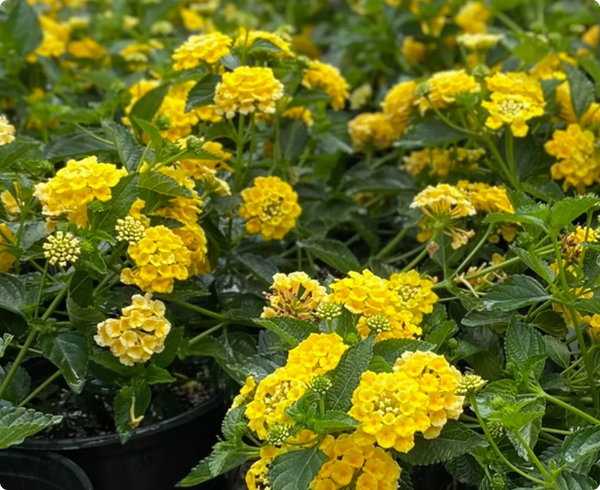
Reliable bloomers that come back stronger every season, building a garden that matures with you.

Fresh-grown herbs and vegetable starts ready to plant straight into your garden or favorite pot.
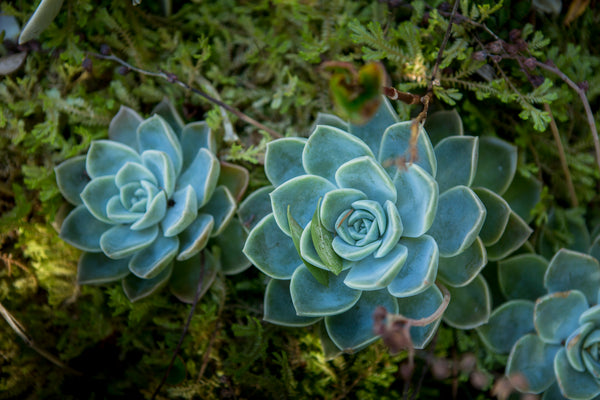
Low-maintenance, sculptural plants that thrive on neglect and look good doing it.
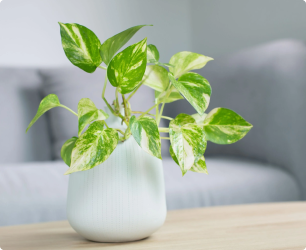
Curated greenery to bring life, texture, and a little calm into any indoor space.
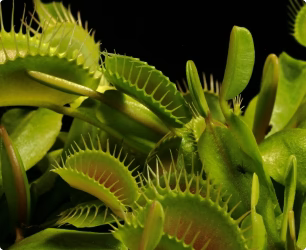
Unusual, eye-catching specimens for the collector who wants something different.
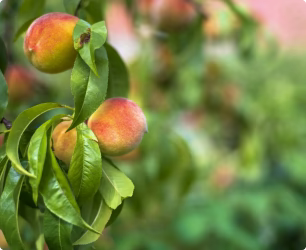
Grow your own harvest with fruit trees selected to perform in the CSRA climate.
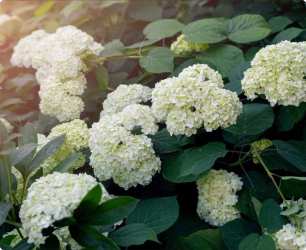
The structural backbone of any landscape, offering year-round shape, privacy, and texture.

Fall gives trees and shrubs a long head start on root development before summer heat arrives. Here are ten reliable choices for CSRA landscapes, all available on our Tree & Shrub Lot this season. For a complete fall guide visit our Fall Planting Guide for Aiken. 1. Camellia Camellias are a CSRA classic for a reason. They bloom in fall and winter when little else in the garden is doing much, and they handle our clay soils well once established. Give them light shade and consistent moisture the first year. 2. Japanese Maple Prized for their fine foliage and fall color, Japanese maples are slow growers that benefit enormously from a fall planting head start. Choose a spot with afternoon shade protection from harsh summer sun. 3. Yaupon Holly A tough, adaptable native evergreen that works as a hedge, screen, or specimen plant. Yaupon holly tolerates a wide range of soil conditions and needs very little maintenance once roots are established. 4. Nellie R. Stevens Holly If you need a fast-growing privacy screen, this is one of the most reliable options for the CSRA. Dense, evergreen, and tolerant of both sun and light shade. 5. Crape Myrtle Crape myrtles are practically synonymous with Southern summers, but fall is when to plant them. A fall-installed crape myrtle spends the winter building roots and is ready to put on strong growth the following summer. 6. Dogwood A native understory tree with spring flowers and excellent fall color. Dogwoods prefer some afternoon shade and consistent moisture, especially in their first year, which fall planting helps establish before summer stress arrives. 7. Redbud Another native that rewards fall planting with strong spring blooms the following year. Redbuds are adaptable to a range of light conditions and pair well with dogwoods for a layered spring display. 8. Oakleaf Hydrangea A native shrub with structural interest in every season: white summer blooms, burgundy fall foliage, and peeling winter bark. It prefers part shade and appreciates the extra root development time fall planting provides. 9. Southern Magnolia A CSRA icon, prized for its glossy evergreen foliage and large, fragrant white blooms in late spring and summer. Magnolias develop a substantial root system over time, so a fall planting gives them the extra months they need to establish before next year's heat arrives. Give them room to grow and consistent moisture the first year. 10. Boxwood A structural, evergreen staple for formal beds, borders, and foundation plantings. Boxwood is slow-growing, which makes the extra root establishment time from fall planting especially valuable. A Note on Planting, Not Pruning This list is about what to plant now. Several spring-blooming shrubs and trees, like oakleaf hydrangea and redbud, should not be pruned in fall since they set next year's flowers on old wood. If you are unsure what to cut back this fall and what to leave alone, our landscape team can look at your specific property and give you a straight answer. Find the Right Fit for Your Property Not every plant on this list belongs on every property. Sun exposure, soil drainage, and how the space will be used all matter. Stop by the Tree & Shrub Lot and our team can help you match the right trees and shrubs to your yard, or schedule a design consultation if you are planning a larger installation.
Fall gives trees and shrubs a long head start on root development before summer heat arrives. Here are ten reliable choices for CSRA landscapes, all available on our Tree & Shrub Lot this season. For a complete fall guide visit our Fall Planting Guide for Aiken. 1. Camellia Camellias are a CSRA classic for a reason. They bloom in fall and winter when little else in the garden is doing much, and they handle our clay soils well once established. Give them light shade and consistent moisture the first year. 2. Japanese Maple Prized for their fine foliage and fall color, Japanese maples are slow growers that benefit enormously from a fall planting head start. Choose a spot with afternoon shade protection from harsh summer sun. 3. Yaupon Holly A tough, adaptable native evergreen that works as a hedge, screen, or specimen plant. Yaupon holly tolerates a wide range of soil conditions and needs very little maintenance once roots are established. 4. Nellie R. Stevens Holly If you need a fast-growing privacy screen, this is one of the most reliable options for the CSRA. Dense, evergreen, and tolerant of both sun and light shade. 5. Crape Myrtle Crape myrtles are practically synonymous with Southern summers, but fall is when to plant them. A fall-installed crape myrtle spends the winter building roots and is ready to put on strong growth the following summer. 6. Dogwood A native understory tree with spring flowers and excellent fall color. Dogwoods prefer some afternoon shade and consistent moisture, especially in their first year, which fall planting helps establish before summer stress arrives. 7. Redbud Another native that rewards fall planting with strong spring blooms the following year. Redbuds are adaptable to a range of light conditions and pair well with dogwoods for a layered spring display. 8. Oakleaf Hydrangea A native shrub with structural interest in every season: white summer blooms, burgundy fall foliage, and peeling winter bark. It prefers part shade and appreciates the extra root development time fall planting provides. 9. Southern Magnolia A CSRA icon, prized for its glossy evergreen foliage and large, fragrant white blooms in late spring and summer. Magnolias develop a substantial root system over time, so a fall planting gives them the extra months they need to establish before next year's heat arrives. Give them room to grow and consistent moisture the first year. 10. Boxwood A structural, evergreen staple for formal beds, borders, and foundation plantings. Boxwood is slow-growing, which makes the extra root establishment time from fall planting especially valuable. A Note on Planting, Not Pruning This list is about what to plant now. Several spring-blooming shrubs and trees, like oakleaf hydrangea and redbud, should not be pruned in fall since they set next year's flowers on old wood. If you are unsure what to cut back this fall and what to leave alone, our landscape team can look at your specific property and give you a straight answer. Find the Right Fit for Your Property Not every plant on this list belongs on every property. Sun exposure, soil drainage, and how the space will be used all matter. Stop by the Tree & Shrub Lot and our team can help you match the right trees and shrubs to your yard, or schedule a design consultation if you are planning a larger installation.
READ MORE
Fall is not a season most homeowners associate with pest problems, but a handful of issues actively show up this time of year, and catching them now is a lot easier than dealing with a bigger problem next spring. If you would like help tackling these problems, you can schedule a consultation. Here is what our team sees most often in the CSRA this time of year, and what actually helps. Powdery Mildew If you have noticed a gray-white, powdery coating on leaves, especially on crape myrtles, roses, or dogwoods, that is powdery mildew. It tends to show up as humidity stays high but temperatures start to cool, which describes a lot of fall days in the CSRA. It rarely kills an established plant, but it stresses it and looks bad heading into winter. What helps: Improve air circulation by thinning dense growth, avoid overhead watering that keeps leaves wet, and remove and dispose of heavily affected leaves rather than leaving them to overwinter in the bed. Leaf Spot Leaf spot shows up as dark or discolored spots on leaves and can affect a wide range of shrubs and trees. Like powdery mildew, it is a fungal issue that thrives in damp, cool conditions, and fall's shifting weather creates the right environment for it. What helps: Rake up and remove fallen leaves from affected plants rather than letting them sit in the bed over winter, since the fungus can overwinter in leaf debris and reinfect the plant next year. This is one more reason fall cleanup matters beyond just tidiness. Tea Scale Tea scale is a common problem on azaleas, gardenias, and camellias in the CSRA, and it is easy to miss at first, the plant just looks a little dull and slows down, rather than showing an obvious problem. By the time most people notice something is off, it has often been there a while. What helps: Flip the leaves over. Check the undersides of camellia and gardenia leaves now, before winter. A white, crusty coating on the underside is the tell, that's tea scale. Light infestations can often be managed with horticultural oil treatments, but heavier infestations benefit from a professional assessment, since timing and treatment method matter for long-term control. SHARON · TREE & SHRUB LOT "Tea scale is sneaky because it looks like the plant just isn't doing great, the leaves get dull, growth slows down. By the time most people notice it, it's been there a while. Check the underside of your camellia and gardenia leaves in fall. If you see a white crust, that's tea scale, and you want to treat it before winter." Webworms in Oaks If you have noticed silky webbed nests at the ends of oak branches this fall, that is fall webworm. It looks alarming, but established oaks generally tolerate webworm without lasting damage. It is more of a cosmetic issue than a serious threat to a mature, healthy tree. What helps: For most established oaks, no treatment is necessary. If a young or already-stressed tree has heavy webbing, pruning out the affected branches is usually sufficient. When to Call In Help Some of these issues are fine to keep an eye on. Others, especially tea scale on high-value plants like established camellias, are worth a professional look before the problem gets ahead of you. If something on your property does not look right and you are not sure whether it is a wait-and-see issue or something that needs treatment now, our team can take a look and give you a straight answer. For a full guide on what to do (and not to do) in your landscape this fall, download our Fall Planting Guide for Aiken, SC.
Fall is not a season most homeowners associate with pest problems, but a handful of issues actively show up this time of year, and catching them now is a lot easier than dealing with a bigger problem next spring. If you would like help tackling these problems, you can schedule a consultation. Here is what our team sees most often in the CSRA this time of year, and what actually helps. Powdery Mildew If you have noticed a gray-white, powdery coating on leaves, especially on crape myrtles, roses, or dogwoods, that is powdery mildew. It tends to show up as humidity stays high but temperatures start to cool, which describes a lot of fall days in the CSRA. It rarely kills an established plant, but it stresses it and looks bad heading into winter. What helps: Improve air circulation by thinning dense growth, avoid overhead watering that keeps leaves wet, and remove and dispose of heavily affected leaves rather than leaving them to overwinter in the bed. Leaf Spot Leaf spot shows up as dark or discolored spots on leaves and can affect a wide range of shrubs and trees. Like powdery mildew, it is a fungal issue that thrives in damp, cool conditions, and fall's shifting weather creates the right environment for it. What helps: Rake up and remove fallen leaves from affected plants rather than letting them sit in the bed over winter, since the fungus can overwinter in leaf debris and reinfect the plant next year. This is one more reason fall cleanup matters beyond just tidiness. Tea Scale Tea scale is a common problem on azaleas, gardenias, and camellias in the CSRA, and it is easy to miss at first, the plant just looks a little dull and slows down, rather than showing an obvious problem. By the time most people notice something is off, it has often been there a while. What helps: Flip the leaves over. Check the undersides of camellia and gardenia leaves now, before winter. A white, crusty coating on the underside is the tell, that's tea scale. Light infestations can often be managed with horticultural oil treatments, but heavier infestations benefit from a professional assessment, since timing and treatment method matter for long-term control. SHARON · TREE & SHRUB LOT "Tea scale is sneaky because it looks like the plant just isn't doing great, the leaves get dull, growth slows down. By the time most people notice it, it's been there a while. Check the underside of your camellia and gardenia leaves in fall. If you see a white crust, that's tea scale, and you want to treat it before winter." Webworms in Oaks If you have noticed silky webbed nests at the ends of oak branches this fall, that is fall webworm. It looks alarming, but established oaks generally tolerate webworm without lasting damage. It is more of a cosmetic issue than a serious threat to a mature, healthy tree. What helps: For most established oaks, no treatment is necessary. If a young or already-stressed tree has heavy webbing, pruning out the affected branches is usually sufficient. When to Call In Help Some of these issues are fine to keep an eye on. Others, especially tea scale on high-value plants like established camellias, are worth a professional look before the problem gets ahead of you. If something on your property does not look right and you are not sure whether it is a wait-and-see issue or something that needs treatment now, our team can take a look and give you a straight answer. For a full guide on what to do (and not to do) in your landscape this fall, download our Fall Planting Guide for Aiken, SC.
READ MORE
If you have tropical plants on your patio or in your garden beds, whether it is a hibiscus, elephant ear, or a citrus tree in a container, fall is when you need a plan for them. Tropicals do not tolerate cold the way our native and adapted landscape plants do, and waiting too long to act can mean losing a plant you have grown for years in a single hard freeze. Know the Trigger: 50 Degrees The general rule our team works from is simple: once nighttime temperatures start approaching 50 degrees, it is time to move tropical plants indoors. Do not wait for a frost warning. By the time frost is in the forecast, you are reacting instead of preparing, and a plant that gets caught outside in a sudden cold snap may not recover. MICHAELA · GREENHOUSE "Fifty degrees is your number. When nighttime temperatures start touching fifty, it's time to bring things in. Don't wait for the first frost warning, by then you've already stressed the plant." Watch the extended forecast in late September and October, not just this week's weather. The CSRA can have a run of warm days that lull you into waiting, followed by a sudden drop. Move plants in before that happens, not after. Bringing Plants Inside Successfully A few things make the transition smoother: Inspect before you bring anything in. Check under leaves and around the base of the pot for pests. Moving an infested plant indoors just gives those pests a warm place to spread to your other houseplants. Expect some leaf drop. It is normal for a tropical plant to lose some leaves as it adjusts to lower light and humidity indoors. This does not mean the plant is dying. Give it a few weeks to acclimate before assuming something is wrong. Reduce watering. Indoor light and lower temperatures mean the plant is using less water than it did outdoors all summer. Overwatering during the transition is one of the most common ways tropicals decline indoors. Give it your brightest spot. A south or west-facing window is usually the best option. If natural light is limited in your home, this is where a grow light can make the difference between a plant that limps through winter and one that stays healthy. What About Caladiums and Other Tender Bulbs? Caladiums and similar tender bulbs need a different approach. Dig them up before first frost, since they are frost-tender and won't survive waiting for a harder freeze. Let them dry out for a few days in a shaded spot, then store them in a cool, dry place, like peat moss or vermiculite in a paper bag, until it is safe to replant next spring. Not Sure What to Do With a Specific Plant? Every tropical is a little different, and what works for a hibiscus is not always what works for an elephant ear or a citrus tree. Stop by the greenhouse and our team can walk you through the specifics for whatever you are trying to bring through winter. For a full guide on what to do (and not to do) in your landscape this fall, download our Fall Planting Guide for Aiken, SC.
If you have tropical plants on your patio or in your garden beds, whether it is a hibiscus, elephant ear, or a citrus tree in a container, fall is when you need a plan for them. Tropicals do not tolerate cold the way our native and adapted landscape plants do, and waiting too long to act can mean losing a plant you have grown for years in a single hard freeze. Know the Trigger: 50 Degrees The general rule our team works from is simple: once nighttime temperatures start approaching 50 degrees, it is time to move tropical plants indoors. Do not wait for a frost warning. By the time frost is in the forecast, you are reacting instead of preparing, and a plant that gets caught outside in a sudden cold snap may not recover. MICHAELA · GREENHOUSE "Fifty degrees is your number. When nighttime temperatures start touching fifty, it's time to bring things in. Don't wait for the first frost warning, by then you've already stressed the plant." Watch the extended forecast in late September and October, not just this week's weather. The CSRA can have a run of warm days that lull you into waiting, followed by a sudden drop. Move plants in before that happens, not after. Bringing Plants Inside Successfully A few things make the transition smoother: Inspect before you bring anything in. Check under leaves and around the base of the pot for pests. Moving an infested plant indoors just gives those pests a warm place to spread to your other houseplants. Expect some leaf drop. It is normal for a tropical plant to lose some leaves as it adjusts to lower light and humidity indoors. This does not mean the plant is dying. Give it a few weeks to acclimate before assuming something is wrong. Reduce watering. Indoor light and lower temperatures mean the plant is using less water than it did outdoors all summer. Overwatering during the transition is one of the most common ways tropicals decline indoors. Give it your brightest spot. A south or west-facing window is usually the best option. If natural light is limited in your home, this is where a grow light can make the difference between a plant that limps through winter and one that stays healthy. What About Caladiums and Other Tender Bulbs? Caladiums and similar tender bulbs need a different approach. Dig them up before first frost, since they are frost-tender and won't survive waiting for a harder freeze. Let them dry out for a few days in a shaded spot, then store them in a cool, dry place, like peat moss or vermiculite in a paper bag, until it is safe to replant next spring. Not Sure What to Do With a Specific Plant? Every tropical is a little different, and what works for a hibiscus is not always what works for an elephant ear or a citrus tree. Stop by the greenhouse and our team can walk you through the specifics for whatever you are trying to bring through winter. For a full guide on what to do (and not to do) in your landscape this fall, download our Fall Planting Guide for Aiken, SC.
READ MORE
The garden does not have to go quiet once summer ends. September and October are exactly the right window to plant fall annuals and bulbs in Aiken, and getting the timing right now means color that carries through winter and into spring. We have an entire team dedicated to seasonal plantings. To learn more, complete our contact form to receive a call regarding your project. Here is what to plant and why. Pansies and Violas The backbone of fall and winter color in the CSRA. Pansies and violas tolerate cold well and will bloom on and off through winter, picking back up with enthusiasm as temperatures warm in late winter and early spring. Plant them in September or October while soil is still workable and roots have time to establish before the coldest weather arrives. Snapdragons Cold-hardy and available in a wide color range, snapdragons add height and structure that pansies alone do not provide. They pair well in beds or containers as a taller backdrop. Ornamental Cabbage and Kale Grown for foliage rather than flowers, ornamental cabbage and kale actually improve in color as temperatures drop, with purples and creams deepening through fall and winter. They hold up well in beds and containers alike and provide texture that flowering annuals do not. Mums and Asters Both bring the classic fall color palette, deep oranges, purples, and golds, right when the rest of the garden is winding down. Treat them as more than one-season color: both are perennial in Zone 8, so once the blooms fade, plant them in the ground rather than composting them. Give them a spot in the bed and they will come back to bloom again next fall, making them a longer-term addition to the landscape rather than a single display. Fall Bulbs for Spring Bloom This is the one that catches people off guard: the bulbs that produce spring's daffodils, tulips, and hyacinths need to go in the ground now, in fall, not in spring. Bulbs planted in September and October spend winter establishing roots underground, quietly getting ready for a spring display you plant today and do not see until months later. It is a bit of delayed gratification that is well worth it. In our climate, some varieties benefit from refrigeration before planting. Ask our greenhouse team which ones need it and which are ready to go straight into the ground. Getting the Timing Right Aim for September and October for annuals so plants have time to establish roots before the coldest stretch of winter. Bulbs can go in slightly later, through November, as long as the ground remains workable. Visit the Greenhouse Our greenhouse team has fall annuals, bulbs, and seasonal color in stock now, along with guidance on what pairs well together and what will hold up best in your specific beds or containers. Stop by and let's put together a plan for your fall color. For a full guide on what to do (and not to do) in your landscape this fall, download our Fall Planting Guide for Aiken, SC.
The garden does not have to go quiet once summer ends. September and October are exactly the right window to plant fall annuals and bulbs in Aiken, and getting the timing right now means color that carries through winter and into spring. We have an entire team dedicated to seasonal plantings. To learn more, complete our contact form to receive a call regarding your project. Here is what to plant and why. Pansies and Violas The backbone of fall and winter color in the CSRA. Pansies and violas tolerate cold well and will bloom on and off through winter, picking back up with enthusiasm as temperatures warm in late winter and early spring. Plant them in September or October while soil is still workable and roots have time to establish before the coldest weather arrives. Snapdragons Cold-hardy and available in a wide color range, snapdragons add height and structure that pansies alone do not provide. They pair well in beds or containers as a taller backdrop. Ornamental Cabbage and Kale Grown for foliage rather than flowers, ornamental cabbage and kale actually improve in color as temperatures drop, with purples and creams deepening through fall and winter. They hold up well in beds and containers alike and provide texture that flowering annuals do not. Mums and Asters Both bring the classic fall color palette, deep oranges, purples, and golds, right when the rest of the garden is winding down. Treat them as more than one-season color: both are perennial in Zone 8, so once the blooms fade, plant them in the ground rather than composting them. Give them a spot in the bed and they will come back to bloom again next fall, making them a longer-term addition to the landscape rather than a single display. Fall Bulbs for Spring Bloom This is the one that catches people off guard: the bulbs that produce spring's daffodils, tulips, and hyacinths need to go in the ground now, in fall, not in spring. Bulbs planted in September and October spend winter establishing roots underground, quietly getting ready for a spring display you plant today and do not see until months later. It is a bit of delayed gratification that is well worth it. In our climate, some varieties benefit from refrigeration before planting. Ask our greenhouse team which ones need it and which are ready to go straight into the ground. Getting the Timing Right Aim for September and October for annuals so plants have time to establish roots before the coldest stretch of winter. Bulbs can go in slightly later, through November, as long as the ground remains workable. Visit the Greenhouse Our greenhouse team has fall annuals, bulbs, and seasonal color in stock now, along with guidance on what pairs well together and what will hold up best in your specific beds or containers. Stop by and let's put together a plan for your fall color. For a full guide on what to do (and not to do) in your landscape this fall, download our Fall Planting Guide for Aiken, SC.
READ MORE
A landscape that only looks good in spring is a landscape that spends three seasons out of four looking unfinished. Four-season color is not about cramming in more plants. It is about layering the right elements so something is always performing, whatever month it is. Here is how our design team approaches it. Start With Structure, Not Flowers Before color enters the conversation, structure has to be in place. Trees and evergreen shrubs are the bones of a four-season landscape. Hollies, boxwood, and camellias hold their form and color through winter when almost nothing else in the garden is doing much. This structural layer is also why fall is a great season to install it. Trees and shrubs planted now have the whole winter to establish roots before being asked to perform. Don't Forget What Never Goes Dormant Plants do the heavy lifting in a four-season landscape, but hardscape is what makes it livable in every season. A well-designed patio, outdoor kitchen, fire pit, or water feature extends your outdoor space into months most homeowners write off. A fire pit draws people outside in October and November when the air is cool and the landscape is at its most beautiful. A patio with the right orientation becomes the place you want to have coffee in March before anything has bloomed yet. A fountain adds movement and sound to a space that might otherwise feel static in the off-season. Hardscape also solves a design problem plants cannot: it gives the eye somewhere to land when nothing is actively flowering. A strong structural element — a stone terrace, an outdoor kitchen, a pergola — anchors the space visually in January the same way it does in July. Our design team incorporates hardscape and softscape together from the start rather than treating them as separate conversations. The plants and the structure are designed to work with each other, which is why the finished result feels cohesive and intentional rather than assembled piece by piece over time. Schedule a consultation with our team HERE. Layer in Seasonal Bloom Once structure is in place, the next layer is seasonal bloom — timed so something is always at its best. Winter: Camellias carry the garden through the coldest months, offering refined blooms when the rest of the landscape is at rest. Spring: Azaleas, dogwoods, and redbuds deliver the sweeping color most people associate with a well-established Southern property. Summer: Crape myrtles and heat-tolerant perennials sustain color and interest through the hottest stretch of the year. Fall: Japanese maple foliage, asters, and mums bring warmth and texture back to the landscape as temperatures cool. Finish With a Layer That Evolves The final layer — containers, seasonal annuals, and bulbs — is where a property gains the kind of detail that signals genuine care and attention. Pansies and violas planted in fall provide color through winter and into spring. Bulbs planted now, daffodils, tulips, and hyacinths, emerge months later with no additional effort required. This layer is refreshed seasonally by our team and is the most visible expression of a landscape that is actively maintained rather than simply installed and left. Why Fall Is a Great Season to Start This Four-season color is a long-term design investment, and the structural layer — trees, shrubs, and hardscape — benefits the most from fall's extended planning and installation window. If you are considering a patio, a gathering space, or a water feature, fall is a great time to have that conversation. Hardscape installation and planting can often be sequenced together, which means your outdoor space and the landscape surrounding it develop in tandem. Starting now means your property is building toward a complete four-season presence next year rather than waiting on another spring to begin. Let's Design It Together If your property looks good for a few weeks a year and forgettable the rest of the time, that is a design gap, not a plant problem. Schedule a consultation with our design team and we will walk your property and put together a plan that keeps it beautiful and engaging in every season. If you would like to know what to do (and what not to do) this fall, download our Fall Planting Guide for Aiken, SC.
A landscape that only looks good in spring is a landscape that spends three seasons out of four looking unfinished. Four-season color is not about cramming in more plants. It is about layering the right elements so something is always performing, whatever month it is. Here is how our design team approaches it. Start With Structure, Not Flowers Before color enters the conversation, structure has to be in place. Trees and evergreen shrubs are the bones of a four-season landscape. Hollies, boxwood, and camellias hold their form and color through winter when almost nothing else in the garden is doing much. This structural layer is also why fall is a great season to install it. Trees and shrubs planted now have the whole winter to establish roots before being asked to perform. Don't Forget What Never Goes Dormant Plants do the heavy lifting in a four-season landscape, but hardscape is what makes it livable in every season. A well-designed patio, outdoor kitchen, fire pit, or water feature extends your outdoor space into months most homeowners write off. A fire pit draws people outside in October and November when the air is cool and the landscape is at its most beautiful. A patio with the right orientation becomes the place you want to have coffee in March before anything has bloomed yet. A fountain adds movement and sound to a space that might otherwise feel static in the off-season. Hardscape also solves a design problem plants cannot: it gives the eye somewhere to land when nothing is actively flowering. A strong structural element — a stone terrace, an outdoor kitchen, a pergola — anchors the space visually in January the same way it does in July. Our design team incorporates hardscape and softscape together from the start rather than treating them as separate conversations. The plants and the structure are designed to work with each other, which is why the finished result feels cohesive and intentional rather than assembled piece by piece over time. Schedule a consultation with our team HERE. Layer in Seasonal Bloom Once structure is in place, the next layer is seasonal bloom — timed so something is always at its best. Winter: Camellias carry the garden through the coldest months, offering refined blooms when the rest of the landscape is at rest. Spring: Azaleas, dogwoods, and redbuds deliver the sweeping color most people associate with a well-established Southern property. Summer: Crape myrtles and heat-tolerant perennials sustain color and interest through the hottest stretch of the year. Fall: Japanese maple foliage, asters, and mums bring warmth and texture back to the landscape as temperatures cool. Finish With a Layer That Evolves The final layer — containers, seasonal annuals, and bulbs — is where a property gains the kind of detail that signals genuine care and attention. Pansies and violas planted in fall provide color through winter and into spring. Bulbs planted now, daffodils, tulips, and hyacinths, emerge months later with no additional effort required. This layer is refreshed seasonally by our team and is the most visible expression of a landscape that is actively maintained rather than simply installed and left. Why Fall Is a Great Season to Start This Four-season color is a long-term design investment, and the structural layer — trees, shrubs, and hardscape — benefits the most from fall's extended planning and installation window. If you are considering a patio, a gathering space, or a water feature, fall is a great time to have that conversation. Hardscape installation and planting can often be sequenced together, which means your outdoor space and the landscape surrounding it develop in tandem. Starting now means your property is building toward a complete four-season presence next year rather than waiting on another spring to begin. Let's Design It Together If your property looks good for a few weeks a year and forgettable the rest of the time, that is a design gap, not a plant problem. Schedule a consultation with our design team and we will walk your property and put together a plan that keeps it beautiful and engaging in every season. If you would like to know what to do (and what not to do) this fall, download our Fall Planting Guide for Aiken, SC.
READ MORE
Most homeowners think of spring as the planting season. The garden centers are full, the weather is warm, and everything feels new. It makes sense that spring gets the reputation. But if you ask anyone on our landscape team, they will tell you fall is a great time to plant, and the reason comes down to what is happening underground, not what you can see above it. What Actually Happens When You Plant in Fall As air temperatures drop in September and October, soil temperatures in the CSRA stay warm well into the fall. That combination matters more than most people realize. A plant's top growth, its leaves and branches, slows down as the weather cools. But the root system does not get that same signal right away. Warm soil keeps roots actively growing for weeks, sometimes months, after the plant stops putting energy into leaves and stems above ground. In simple terms: when you plant in fall, the plant stops spending energy on growing bigger and starts spending nearly all of it on growing roots. Why This Sets Plants Up for Success A tree or shrub planted in September or October gets a head start most spring-planted material never catches up to. By the time summer arrives, a fall-planted tree already has a more established root system, one that is better equipped to pull in water and nutrients during the hottest, driest stretch of the year. Spring-planted trees do not get that runway. They go straight from installation into active top growth, often right as summer heat and demand for water start climbing. That is a much harder position for a young plant to be in. This is the difference our team sees every year: fall-planted trees and shrubs tend to enter their first summer stronger, with less stress and less supplemental watering required to keep them alive. What This Means for Your Property If you have been putting off adding a tree, filling in a bed, or replacing something that did not make it through last summer, fall is the season working in your favor, not against you. The ground is workable, the weather is comfortable to be outside in, and the plant itself is doing the kind of growing you cannot see but will benefit from later. This is also true for larger projects. If you are considering a new landscape design, fall gives your plants the longest possible runway before next summer's heat arrives, which means a stronger first year for the entire project. Schedule your fall design consultation with Cold Creek Nurseries today. Ready to Plant This Fall? Whether you are adding one tree or planning a full landscape refresh, our design team can walk your property and put together a plan built around what will actually thrive there. Fall installation slots move quickly this time of year, and getting on the schedule now means your project can be in the ground before Thanksgiving. For a full guide on what to do (and not to do) in your landscape this fall, download our Fall Planting Guide for Aiken, SC.
Most homeowners think of spring as the planting season. The garden centers are full, the weather is warm, and everything feels new. It makes sense that spring gets the reputation. But if you ask anyone on our landscape team, they will tell you fall is a great time to plant, and the reason comes down to what is happening underground, not what you can see above it. What Actually Happens When You Plant in Fall As air temperatures drop in September and October, soil temperatures in the CSRA stay warm well into the fall. That combination matters more than most people realize. A plant's top growth, its leaves and branches, slows down as the weather cools. But the root system does not get that same signal right away. Warm soil keeps roots actively growing for weeks, sometimes months, after the plant stops putting energy into leaves and stems above ground. In simple terms: when you plant in fall, the plant stops spending energy on growing bigger and starts spending nearly all of it on growing roots. Why This Sets Plants Up for Success A tree or shrub planted in September or October gets a head start most spring-planted material never catches up to. By the time summer arrives, a fall-planted tree already has a more established root system, one that is better equipped to pull in water and nutrients during the hottest, driest stretch of the year. Spring-planted trees do not get that runway. They go straight from installation into active top growth, often right as summer heat and demand for water start climbing. That is a much harder position for a young plant to be in. This is the difference our team sees every year: fall-planted trees and shrubs tend to enter their first summer stronger, with less stress and less supplemental watering required to keep them alive. What This Means for Your Property If you have been putting off adding a tree, filling in a bed, or replacing something that did not make it through last summer, fall is the season working in your favor, not against you. The ground is workable, the weather is comfortable to be outside in, and the plant itself is doing the kind of growing you cannot see but will benefit from later. This is also true for larger projects. If you are considering a new landscape design, fall gives your plants the longest possible runway before next summer's heat arrives, which means a stronger first year for the entire project. Schedule your fall design consultation with Cold Creek Nurseries today. Ready to Plant This Fall? Whether you are adding one tree or planning a full landscape refresh, our design team can walk your property and put together a plan built around what will actually thrive there. Fall installation slots move quickly this time of year, and getting on the schedule now means your project can be in the ground before Thanksgiving. For a full guide on what to do (and not to do) in your landscape this fall, download our Fall Planting Guide for Aiken, SC.
READ MORE
Most plant problems aren't from neglect, they're from incorrect watering. Too often, too shallow, at the wrong time of day. These three tips will help your plants develop stronger roots, stay healthier through summer heat, and need less water overall.
Most plant problems aren't from neglect, they're from incorrect watering. Too often, too shallow, at the wrong time of day. These three tips will help your plants develop stronger roots, stay healthier through summer heat, and need less water overall.
READ MORE
If your lawn looks a little rough right now, or your shrubs seem slower to wake up than usual, you're not imagining it. This spring has been genuinely unusual, and your landscape has felt every bit of it. Here's what's been happening, what it means for your plants, and how to make the most of where we are right now. A Spring That Kept Us Guessing South Carolina springs are rarely perfectly predictable, but this one has been especially challenging. We came out of winter into a stretch of warm, spring-like temperatures that got everything excited — lawns greening up, shrubs pushing new growth, ornamentals starting to bud. Then temperatures dropped hard for about a week, with freezing lows that caught a lot of that new growth off guard. Stress like that takes a toll. Lawns and shrubs that had already committed to early growth were suddenly asked to endure cold they weren't prepared for. Recovery from that kind of stress is possible but it doesn't happen overnight. That temperature whiplash was then compounded by something even more impactful: a significant spring drought. Extended dry periods are hard on even the healthiest, most established landscapes. And while irrigation systems are genuinely valuable tools, there is something that irrigated water simply cannot replicate: the slow, steady, deep penetration of natural rainfall. Rainwater reaches the root zone differently, carries trace nutrients, and gives the soil a kind of thorough saturation that sprinkler systems approximate but can't truly match. What You Might Be Seeing Right Now After weeks of drought stress layered on top of cold-weather stress, some common symptoms are showing up across the area: Thin or bare spots in the lawn. These are often areas where the turf was already under pressure and couldn't withstand the combined drought and cold. The good news is that most established lawns will slowly fill back in as conditions improve. It just requires patience and, in some cases, a little targeted help. Shrubs that are slow to recover. If your shrubs look sparse, dull, or less lush than you'd expect this time of year, they may still be working through the stress of the past few weeks. Most will come around, but they need consistent moisture and time. Flowers that aren't lasting as long. When plants are stressed, their blooms tend to be shorter-lived. Flowers that would normally hold for a week or two may be turning more quickly right now. This should improve as conditions normalize. The Good News: The Timing Is Actually Working in Our Favor The cooler temperatures and several days of steady rain we've had are genuinely helpful. They're giving lawns and shrubs a chance to recover. They're allowing the soil to rehydrate at a depth that irrigation doesn't always reach. And they're arriving at exactly the right moment in the season. Ground temperatures are just now reaching the ideal range for planting. That might surprise you after the cold stretch we had, but soil temperatures lag behind air temperatures, and right now, the soil is primed. This is the window serious gardeners wait for, and if you've been holding off on planting because the weather felt unpredictable, now is genuinely the time to move forward. It's also worth knowing that many of our suppliers are delivering prime material right now. This is peak season for our growers, and what's arriving on our lot reflects it: healthy, well-grown plants that have had a full season to develop. The selection at Cold Creek right now is some of the best we see all year. A Note on the Drought The rain we've had this week was very welcome, and it will help. But the drought is not over. A few days of rainfall makes a meaningful difference, especially for stressed plants, but it doesn't fully replenish what weeks of dry conditions have drawn down from the soil. Going forward, it's worth being attentive to moisture levels, particularly for anything newly planted, and for any lawns or beds that showed signs of stress. If you have irrigation, make sure it's running efficiently and covering the areas that need it most. If you don't, this is a good time to think about whether a more consistent watering approach might protect what you've already invested in your landscape. How Cold Creek Can Help If you're a current Cold Creek landscape client and you're noticing things that concern you, like bare spots, struggling shrubs, recovery questions, your account manager is the right first call. They know your property, and they're the best resource for helping you figure out what warrants attention and what just needs time. If you don't currently have a landscape management relationship and you're looking at your yard wondering where to start, we'd love to come out and take a look. Our team can assess what's going on, talk through what your property needs, and help you find a maintenance program that actually fits. Reach out to us and we'll get something scheduled. And of course, if you're ready to plant, come see us. The greenhouse and tree and shrub lot are full of beautiful material right now, and with Mother's Day this weekend, there has never been a better time to find something that will grow and give for years to come. A flowering shrub, a statement tree, a lush container planting — we have all of it, and our staff are here to help you choose exactly right. Questions about your property? Reach out to your Cold Creek account manager, or contact the landscaping maintenance team at 803.648.0329 to schedule a property visit. We'd love to help.
If your lawn looks a little rough right now, or your shrubs seem slower to wake up than usual, you're not imagining it. This spring has been genuinely unusual, and your landscape has felt every bit of it. Here's what's been happening, what it means for your plants, and how to make the most of where we are right now. A Spring That Kept Us Guessing South Carolina springs are rarely perfectly predictable, but this one has been especially challenging. We came out of winter into a stretch of warm, spring-like temperatures that got everything excited — lawns greening up, shrubs pushing new growth, ornamentals starting to bud. Then temperatures dropped hard for about a week, with freezing lows that caught a lot of that new growth off guard. Stress like that takes a toll. Lawns and shrubs that had already committed to early growth were suddenly asked to endure cold they weren't prepared for. Recovery from that kind of stress is possible but it doesn't happen overnight. That temperature whiplash was then compounded by something even more impactful: a significant spring drought. Extended dry periods are hard on even the healthiest, most established landscapes. And while irrigation systems are genuinely valuable tools, there is something that irrigated water simply cannot replicate: the slow, steady, deep penetration of natural rainfall. Rainwater reaches the root zone differently, carries trace nutrients, and gives the soil a kind of thorough saturation that sprinkler systems approximate but can't truly match. What You Might Be Seeing Right Now After weeks of drought stress layered on top of cold-weather stress, some common symptoms are showing up across the area: Thin or bare spots in the lawn. These are often areas where the turf was already under pressure and couldn't withstand the combined drought and cold. The good news is that most established lawns will slowly fill back in as conditions improve. It just requires patience and, in some cases, a little targeted help. Shrubs that are slow to recover. If your shrubs look sparse, dull, or less lush than you'd expect this time of year, they may still be working through the stress of the past few weeks. Most will come around, but they need consistent moisture and time. Flowers that aren't lasting as long. When plants are stressed, their blooms tend to be shorter-lived. Flowers that would normally hold for a week or two may be turning more quickly right now. This should improve as conditions normalize. The Good News: The Timing Is Actually Working in Our Favor The cooler temperatures and several days of steady rain we've had are genuinely helpful. They're giving lawns and shrubs a chance to recover. They're allowing the soil to rehydrate at a depth that irrigation doesn't always reach. And they're arriving at exactly the right moment in the season. Ground temperatures are just now reaching the ideal range for planting. That might surprise you after the cold stretch we had, but soil temperatures lag behind air temperatures, and right now, the soil is primed. This is the window serious gardeners wait for, and if you've been holding off on planting because the weather felt unpredictable, now is genuinely the time to move forward. It's also worth knowing that many of our suppliers are delivering prime material right now. This is peak season for our growers, and what's arriving on our lot reflects it: healthy, well-grown plants that have had a full season to develop. The selection at Cold Creek right now is some of the best we see all year. A Note on the Drought The rain we've had this week was very welcome, and it will help. But the drought is not over. A few days of rainfall makes a meaningful difference, especially for stressed plants, but it doesn't fully replenish what weeks of dry conditions have drawn down from the soil. Going forward, it's worth being attentive to moisture levels, particularly for anything newly planted, and for any lawns or beds that showed signs of stress. If you have irrigation, make sure it's running efficiently and covering the areas that need it most. If you don't, this is a good time to think about whether a more consistent watering approach might protect what you've already invested in your landscape. How Cold Creek Can Help If you're a current Cold Creek landscape client and you're noticing things that concern you, like bare spots, struggling shrubs, recovery questions, your account manager is the right first call. They know your property, and they're the best resource for helping you figure out what warrants attention and what just needs time. If you don't currently have a landscape management relationship and you're looking at your yard wondering where to start, we'd love to come out and take a look. Our team can assess what's going on, talk through what your property needs, and help you find a maintenance program that actually fits. Reach out to us and we'll get something scheduled. And of course, if you're ready to plant, come see us. The greenhouse and tree and shrub lot are full of beautiful material right now, and with Mother's Day this weekend, there has never been a better time to find something that will grow and give for years to come. A flowering shrub, a statement tree, a lush container planting — we have all of it, and our staff are here to help you choose exactly right. Questions about your property? Reach out to your Cold Creek account manager, or contact the landscaping maintenance team at 803.648.0329 to schedule a property visit. We'd love to help.
READ MORE
You've seen them before. A container on someone's front porch or at a restaurant entrance that looks so full, so lush, so intentional, and you've wondered how they pulled it off. It doesn't come down to luck or a natural gift for design. It comes down to a formula. Once you learn it, you'll use it every single time you plant a container, and your results will look like a professional put them together. The formula is called Thriller, Filler, Spiller, and it's simpler than it sounds. What Is the Thriller, Filler, Spiller Method? Thriller, Filler, Spiller is a container gardening design technique that uses three types of plants, each with a specific role, to create arrangements that have height, fullness, texture, and movement all in one container. The method works because it mirrors how we naturally perceive beautiful spaces: there's a focal point, supporting layers, and a finishing touch that ties it all together. Whether you're a first-time gardener or someone who's been planting for years, this technique removes the guesswork and gives you a reliable framework to work from. Step 1: Choose Your Thriller The thriller is the star of the container. It's the tallest plant in the arrangement and the first thing the eye goes to when someone looks at your container. Its job is to add vertical drama and give the container a clear focal point. Without a thriller, the container feels flat and unfinished, no matter how many other plants you've added. Where to place it: If your container will be viewed from all sides, plant your thriller in the center. If it will only be viewed from the front, like on a porch or against a wall, plant it toward the back. Best Thriller Plants for Spring Containers in South Carolina South Carolina's spring season is generous, but our heat arrives early. Choose thrillers that establish quickly and can handle the transition into warmer temperatures. Cordyline (Ti Plant): Bold, spiky foliage in deep burgundy or bright green. Adds serious structure and holds up beautifully in our Aiken heat as the season progresses. Purple Fountain Grass: Dramatic arching habit with feathery plumes. A classic thriller choice that brings movement to any container. Tall Salvia: Spikes of violet or blue flowers that attract pollinators. Upright habit makes it a strong vertical anchor. Caladium: Not tall in the traditional sense, but the bold patterned foliage is eye-catching enough to serve as a thriller in partially shaded containers. Angelonia: Vertical, elegant, and heat-tolerant. Blooms continuously through summer with very little maintenance. Step 2: Add Your Filler Once your thriller is in place, it's time to surround it with filler plants. Fillers are rounded, mounding plants that sit at mid-height in the container. Their job is to cover the soil, fill in the visual gaps around the thriller, and add color and texture at the second layer of the arrangement. This is where your container goes from sparse to lush. You can use one filler variety or mix two to three different plants for added interest. Don't be stingy here, the more you fill this layer, the richer and more professional the finished container will look. Where to place them: Plant fillers between the thriller and the outer edge of the container, leaving just enough room along the rim for your spillers. Best Filler Plants for Spring Containers Petunias: A reliable, high-performing filler in almost any color. Bloom heavily and respond well to pinching back as the season progresses. Begonias: Especially strong in South Carolina's heat and humidity. Dragon Wing begonias are particularly stunning as a filler. Coleus: Grown for foliage rather than flowers, coleus adds bold color and texture and performs exceptionally well in our warm climate. Calibrachoa (Million Bells): Tiny, bell-shaped flowers in masses of color. Works as both a filler and a light spiller along the edges. Impatiens: A classic choice for shaded containers. Consistent color and easy to maintain throughout the season. Step 3: Finish with a Spiller Spillers are the finishing touch that takes a container from good to great. These are trailing plants that cascade over the sides of the pot, softening the hard edges of the container and giving the whole arrangement a natural, organic feel. A well-chosen spiller makes it look like the plants grew there on their own, and that's exactly what you're going for. Plant spillers around the outer edge of the container, all the way around if it will be viewed from multiple angles, or across the front edge if it's a front-facing arrangement. Best Spiller Plants for Trailing Color and Texture Sweet Potato Vine: Fast-growing and available in chartreuse, deep purple, and bronze. Cascades dramatically and pairs well with almost any color combination. Creeping Jenny: Lime-green trailing foliage that brightens darker arrangements and cascades beautifully over container edges. Bacopa: Small white or lavender flowers on delicate trailing stems. Adds a soft, refined look to any container. Trailing Verbena: Long-blooming and heat-tolerant. Trails several inches and produces clusters of color throughout the season. Torenia (Wishbone Flower): Delicate bicolor blooms in purple, pink, blue, and white cascade softly over container edges from spring through frost. No deadheading required, torenia is self-cleaning and keeps producing flowers all season long, even in the heat and humidity of a South Carolina summer. Pro Tips for Putting It All Together Knowing the three roles is the foundation. These tips are what separate a good container from a great one. Match sun and water requirements across all three plants. This is the most common mistake. A thriller that needs full sun paired with a spiller that prefers shade will mean one of them is always struggling. Before you put plants in the same container, confirm they share the same light and water needs. Go bigger than you think you need to. Containers almost always look sparse the day you plant them. Resist the urge to underplant. A fuller planting that looks slightly crowded at the start will grow into something beautiful. A sparse planting just looks sparse. Use quality potting mix, not garden soil. Garden soil compacts in containers and does not drain properly. A quality potting mix gives your plants the drainage and aeration they need to thrive through the season. Fertilize regularly. Container plants don't have access to nutrients the way in-ground plants do. A slow-release fertilizer at planting, followed by liquid fertilizer every two to three weeks, will keep your containers blooming and full through the season. Deadhead your fillers. Pinching off spent blooms encourages your filler plants, especially petunias and calibrachoa, to produce new flowers continuously rather than going to seed. Ready to Build Your Perfect Container? Now that you know the formula, the fun part is choosing your plants. The combinations are nearly endless, and the results are consistently beautiful when you follow the framework. If you're in the Aiken, South Carolina area, come see us at Cold Creek Nurseries. Our team can walk you through the best thriller, filler, and spiller combinations for your specific space, sun exposure, and color preferences. We carry a curated selection of high-quality annuals and perennials specifically chosen for our region, and we're happy to help you put together a container that looks like it was designed by a professional. Stop in and see what's in season. We'd love to help you make something beautiful.
You've seen them before. A container on someone's front porch or at a restaurant entrance that looks so full, so lush, so intentional, and you've wondered how they pulled it off. It doesn't come down to luck or a natural gift for design. It comes down to a formula. Once you learn it, you'll use it every single time you plant a container, and your results will look like a professional put them together. The formula is called Thriller, Filler, Spiller, and it's simpler than it sounds. What Is the Thriller, Filler, Spiller Method? Thriller, Filler, Spiller is a container gardening design technique that uses three types of plants, each with a specific role, to create arrangements that have height, fullness, texture, and movement all in one container. The method works because it mirrors how we naturally perceive beautiful spaces: there's a focal point, supporting layers, and a finishing touch that ties it all together. Whether you're a first-time gardener or someone who's been planting for years, this technique removes the guesswork and gives you a reliable framework to work from. Step 1: Choose Your Thriller The thriller is the star of the container. It's the tallest plant in the arrangement and the first thing the eye goes to when someone looks at your container. Its job is to add vertical drama and give the container a clear focal point. Without a thriller, the container feels flat and unfinished, no matter how many other plants you've added. Where to place it: If your container will be viewed from all sides, plant your thriller in the center. If it will only be viewed from the front, like on a porch or against a wall, plant it toward the back. Best Thriller Plants for Spring Containers in South Carolina South Carolina's spring season is generous, but our heat arrives early. Choose thrillers that establish quickly and can handle the transition into warmer temperatures. Cordyline (Ti Plant): Bold, spiky foliage in deep burgundy or bright green. Adds serious structure and holds up beautifully in our Aiken heat as the season progresses. Purple Fountain Grass: Dramatic arching habit with feathery plumes. A classic thriller choice that brings movement to any container. Tall Salvia: Spikes of violet or blue flowers that attract pollinators. Upright habit makes it a strong vertical anchor. Caladium: Not tall in the traditional sense, but the bold patterned foliage is eye-catching enough to serve as a thriller in partially shaded containers. Angelonia: Vertical, elegant, and heat-tolerant. Blooms continuously through summer with very little maintenance. Step 2: Add Your Filler Once your thriller is in place, it's time to surround it with filler plants. Fillers are rounded, mounding plants that sit at mid-height in the container. Their job is to cover the soil, fill in the visual gaps around the thriller, and add color and texture at the second layer of the arrangement. This is where your container goes from sparse to lush. You can use one filler variety or mix two to three different plants for added interest. Don't be stingy here, the more you fill this layer, the richer and more professional the finished container will look. Where to place them: Plant fillers between the thriller and the outer edge of the container, leaving just enough room along the rim for your spillers. Best Filler Plants for Spring Containers Petunias: A reliable, high-performing filler in almost any color. Bloom heavily and respond well to pinching back as the season progresses. Begonias: Especially strong in South Carolina's heat and humidity. Dragon Wing begonias are particularly stunning as a filler. Coleus: Grown for foliage rather than flowers, coleus adds bold color and texture and performs exceptionally well in our warm climate. Calibrachoa (Million Bells): Tiny, bell-shaped flowers in masses of color. Works as both a filler and a light spiller along the edges. Impatiens: A classic choice for shaded containers. Consistent color and easy to maintain throughout the season. Step 3: Finish with a Spiller Spillers are the finishing touch that takes a container from good to great. These are trailing plants that cascade over the sides of the pot, softening the hard edges of the container and giving the whole arrangement a natural, organic feel. A well-chosen spiller makes it look like the plants grew there on their own, and that's exactly what you're going for. Plant spillers around the outer edge of the container, all the way around if it will be viewed from multiple angles, or across the front edge if it's a front-facing arrangement. Best Spiller Plants for Trailing Color and Texture Sweet Potato Vine: Fast-growing and available in chartreuse, deep purple, and bronze. Cascades dramatically and pairs well with almost any color combination. Creeping Jenny: Lime-green trailing foliage that brightens darker arrangements and cascades beautifully over container edges. Bacopa: Small white or lavender flowers on delicate trailing stems. Adds a soft, refined look to any container. Trailing Verbena: Long-blooming and heat-tolerant. Trails several inches and produces clusters of color throughout the season. Torenia (Wishbone Flower): Delicate bicolor blooms in purple, pink, blue, and white cascade softly over container edges from spring through frost. No deadheading required, torenia is self-cleaning and keeps producing flowers all season long, even in the heat and humidity of a South Carolina summer. Pro Tips for Putting It All Together Knowing the three roles is the foundation. These tips are what separate a good container from a great one. Match sun and water requirements across all three plants. This is the most common mistake. A thriller that needs full sun paired with a spiller that prefers shade will mean one of them is always struggling. Before you put plants in the same container, confirm they share the same light and water needs. Go bigger than you think you need to. Containers almost always look sparse the day you plant them. Resist the urge to underplant. A fuller planting that looks slightly crowded at the start will grow into something beautiful. A sparse planting just looks sparse. Use quality potting mix, not garden soil. Garden soil compacts in containers and does not drain properly. A quality potting mix gives your plants the drainage and aeration they need to thrive through the season. Fertilize regularly. Container plants don't have access to nutrients the way in-ground plants do. A slow-release fertilizer at planting, followed by liquid fertilizer every two to three weeks, will keep your containers blooming and full through the season. Deadhead your fillers. Pinching off spent blooms encourages your filler plants, especially petunias and calibrachoa, to produce new flowers continuously rather than going to seed. Ready to Build Your Perfect Container? Now that you know the formula, the fun part is choosing your plants. The combinations are nearly endless, and the results are consistently beautiful when you follow the framework. If you're in the Aiken, South Carolina area, come see us at Cold Creek Nurseries. Our team can walk you through the best thriller, filler, and spiller combinations for your specific space, sun exposure, and color preferences. We carry a curated selection of high-quality annuals and perennials specifically chosen for our region, and we're happy to help you put together a container that looks like it was designed by a professional. Stop in and see what's in season. We'd love to help you make something beautiful.
READ MORE
According to folklore, plants grow better and bear more fruit when planted on Good Friday. It’s a long-standing belief, especially among gardeners in the southern U.S., that this holy day holds a touch of divine favor for new beginnings in the soil. But is there any truth to this tradition — or is it just a charming superstition? Rooted in Tradition This belief has been passed down through generations, especially in rural communities where faith and farming often went hand in hand. For many, Good Friday symbolized a time of hope, renewal, and quiet reverence — the perfect setting to place seeds in the earth. Gardeners in warmer zones, particularly throughout the Southeast, still swear by the idea that planting on Good Friday — or sometime during Holy Week — brings good fortune to your garden. Some even say seeds planted on this day will resist pests and yield a more abundant harvest. But What Does Science Say? While the symbolism is beautiful, the truth is that plants don’t follow the liturgical calendar — they follow nature’s cues. What really matters is: Soil temperature: Most vegetables need the soil to be at least 50°F to germinate well. Frost dates: If you plant too early and a frost hits, your seedlings could suffer or die. Soil moisture: Working wet soil can compact it, making it harder for roots to grow. In warmer zones, like much of the Southeast and parts of the West, Good Friday often aligns with ideal planting conditions, which is likely why the tradition stuck around. In cooler climates, however, the soil may still be too cold or wet for reliable planting. A Beautiful Blend of Belief and Biology At the end of the day, there’s no harm in planting on Good Friday if conditions are right. In fact, it can be a lovely ritual — a moment of peace, purpose, and connection with nature. Whether you follow the old wisdom for faith, tradition, or just because the timing works out, the most important part is simply getting your hands in the dirt. So if the sun is shining, the soil is warming, and your gardening spirit is stirring — maybe planting on Good Friday is the perfect start to your season after all.
According to folklore, plants grow better and bear more fruit when planted on Good Friday. It’s a long-standing belief, especially among gardeners in the southern U.S., that this holy day holds a touch of divine favor for new beginnings in the soil. But is there any truth to this tradition — or is it just a charming superstition? Rooted in Tradition This belief has been passed down through generations, especially in rural communities where faith and farming often went hand in hand. For many, Good Friday symbolized a time of hope, renewal, and quiet reverence — the perfect setting to place seeds in the earth. Gardeners in warmer zones, particularly throughout the Southeast, still swear by the idea that planting on Good Friday — or sometime during Holy Week — brings good fortune to your garden. Some even say seeds planted on this day will resist pests and yield a more abundant harvest. But What Does Science Say? While the symbolism is beautiful, the truth is that plants don’t follow the liturgical calendar — they follow nature’s cues. What really matters is: Soil temperature: Most vegetables need the soil to be at least 50°F to germinate well. Frost dates: If you plant too early and a frost hits, your seedlings could suffer or die. Soil moisture: Working wet soil can compact it, making it harder for roots to grow. In warmer zones, like much of the Southeast and parts of the West, Good Friday often aligns with ideal planting conditions, which is likely why the tradition stuck around. In cooler climates, however, the soil may still be too cold or wet for reliable planting. A Beautiful Blend of Belief and Biology At the end of the day, there’s no harm in planting on Good Friday if conditions are right. In fact, it can be a lovely ritual — a moment of peace, purpose, and connection with nature. Whether you follow the old wisdom for faith, tradition, or just because the timing works out, the most important part is simply getting your hands in the dirt. So if the sun is shining, the soil is warming, and your gardening spirit is stirring — maybe planting on Good Friday is the perfect start to your season after all.
READ MORE
Imagine stepping outside on a warm summer evening, the soft glow of your garden creating a magical, moonlit ambiance. With the Firefly Petunia, that dream becomes a reality! This revolutionary petunia is unlike anything seen before—it actually glows at night, adding a mesmerizing touch to landscapes, patios, and hanging baskets. What Makes the Firefly Petunia Special? The Firefly Petunia isn’t just another pretty bloom; it’s a scientific breakthrough in the world of gardening. Through innovative technology, this petunia emits a natural, gentle glow when the sun goes down, mimicking the enchanting beauty of fireflies in the night. Glows in the Dark – As dusk falls, the Firefly Petunia comes to life, radiating a soft luminescence that makes evening gardens truly magical.Easy to Grow – Just like traditional petunias, this variety thrives in garden beds, containers, and hanging baskets, bringing effortless beauty to any space. Loves the Sun – During the day, these petunias soak up the sunlight, preparing to glow as night approaches.A First of Its Kind – Be among the first to experience this extraordinary, light-emitting plant! Why You’ll Love the Firefly Petunia Whether you’re looking to create a dreamy moonlight garden, add a conversation piece to your patio, or simply experience the joy of plants in a whole new way, the Firefly Petunia is a must-have. It’s perfect for garden enthusiasts, night owls, and anyone who loves a little magic in their outdoor spaces. Pre-Order Now – Limited Availability! This highly anticipated petunia is now available for pre-order, but quantities are limited! Don’t miss your chance to bring this one-of-a-kind glowing flower into your garden. Reserve yours today HERE!
Imagine stepping outside on a warm summer evening, the soft glow of your garden creating a magical, moonlit ambiance. With the Firefly Petunia, that dream becomes a reality! This revolutionary petunia is unlike anything seen before—it actually glows at night, adding a mesmerizing touch to landscapes, patios, and hanging baskets. What Makes the Firefly Petunia Special? The Firefly Petunia isn’t just another pretty bloom; it’s a scientific breakthrough in the world of gardening. Through innovative technology, this petunia emits a natural, gentle glow when the sun goes down, mimicking the enchanting beauty of fireflies in the night. Glows in the Dark – As dusk falls, the Firefly Petunia comes to life, radiating a soft luminescence that makes evening gardens truly magical.Easy to Grow – Just like traditional petunias, this variety thrives in garden beds, containers, and hanging baskets, bringing effortless beauty to any space. Loves the Sun – During the day, these petunias soak up the sunlight, preparing to glow as night approaches.A First of Its Kind – Be among the first to experience this extraordinary, light-emitting plant! Why You’ll Love the Firefly Petunia Whether you’re looking to create a dreamy moonlight garden, add a conversation piece to your patio, or simply experience the joy of plants in a whole new way, the Firefly Petunia is a must-have. It’s perfect for garden enthusiasts, night owls, and anyone who loves a little magic in their outdoor spaces. Pre-Order Now – Limited Availability! This highly anticipated petunia is now available for pre-order, but quantities are limited! Don’t miss your chance to bring this one-of-a-kind glowing flower into your garden. Reserve yours today HERE!
READ MORE
Ferns have long been a classic feature of Southern porches, gracing homes with their lush, vibrant greenery. Their delicate fronds sway in the breeze, adding a touch of elegance and charm to any space. At Cold Creek Nurseries, we offer a variety of ferns that thrive in our Southern climate, each with its own unique characteristics and care requirements. Whether you’re looking for a bold, dramatic fern or a delicate, airy variety, we have the perfect one for you. Let’s explore the different types of ferns we carry and how to care for them. Macho Fern Characteristics: The Macho Fern lives up to its name with large, bold fronds that can grow up to 3-4 feet wide and tall. Its deep green leaves create a lush, tropical feel, making it an excellent choice for adding drama to a porch or garden. Requirements & Care: Light: Prefers bright, indirect light but can tolerate some shade. Water: Keep the soil consistently moist but not soggy. Humidity: Loves high humidity; misting occasionally can help keep the leaves looking their best. Best Use: Ideal for hanging baskets, large pots, or shaded garden beds. Boston Fern Characteristics: One of the most iconic ferns for Southern porches, the Boston Fern is known for its arching fronds and feathery foliage. It’s a favorite for hanging baskets, where its cascading leaves create a graceful, flowing look. Requirements & Care: Light: Thrives in bright, indirect light but can tolerate some shade. Water: Requires consistently moist soil—never let it dry out completely. Humidity: Loves high humidity; regular misting will help prevent fronds from drying out. Best Use: Perfect for hanging baskets, porch planters, or indoor spaces with filtered light. Asparagus Fern Characteristics: Though not a true fern, the Asparagus Fern is loved for its soft, needle-like foliage and its ability to add texture to arrangements. It’s a vigorous grower and can spill beautifully over the edges of containers. Requirements & Care: Light: Prefers bright, indirect light but can handle some sun. Water: Water regularly, allowing the soil to dry slightly between waterings. Humidity: Enjoys higher humidity but is more drought-tolerant than other ferns. Best Use: Works well in hanging baskets, mixed containers, or as a groundcover in shaded gardens. Kimberly Queen Fern Characteristics: Unlike the Boston Fern, which has a more relaxed growth habit, the Kimberly Queen Fern features upright, structured fronds that give it a neat, elegant appearance. It’s highly adaptable and more tolerant of sun than other ferns. Requirements & Care: Light: Can handle more sun exposure than other ferns but prefers partial shade. Water: Keep soil consistently moist; avoid letting it dry out. Humidity: Appreciates humidity but is more drought-tolerant than Boston Ferns. Best Use: Ideal for large planters, entryways, and sunny porches. Creating a Classic Porch Feel with Ferns Ferns are the quintessential Southern porch plant, offering a timeless and welcoming aesthetic. Their graceful fronds soften hard edges and provide a lush, natural touch to outdoor spaces. Hanging Boston Ferns from the ceiling, placing Kimberly Queen Ferns in decorative urns by the front door, or using Macho Ferns to create a tropical oasis on your patio can elevate the beauty of your home instantly.With the right care, these ferns will thrive and keep your porch looking fresh and inviting all season long. Visit us today to pick up the perfect fern for your space and bring a bit of classic Southern charm to your home! Photo courtesy of Southern Living
Ferns have long been a classic feature of Southern porches, gracing homes with their lush, vibrant greenery. Their delicate fronds sway in the breeze, adding a touch of elegance and charm to any space. At Cold Creek Nurseries, we offer a variety of ferns that thrive in our Southern climate, each with its own unique characteristics and care requirements. Whether you’re looking for a bold, dramatic fern or a delicate, airy variety, we have the perfect one for you. Let’s explore the different types of ferns we carry and how to care for them. Macho Fern Characteristics: The Macho Fern lives up to its name with large, bold fronds that can grow up to 3-4 feet wide and tall. Its deep green leaves create a lush, tropical feel, making it an excellent choice for adding drama to a porch or garden. Requirements & Care: Light: Prefers bright, indirect light but can tolerate some shade. Water: Keep the soil consistently moist but not soggy. Humidity: Loves high humidity; misting occasionally can help keep the leaves looking their best. Best Use: Ideal for hanging baskets, large pots, or shaded garden beds. Boston Fern Characteristics: One of the most iconic ferns for Southern porches, the Boston Fern is known for its arching fronds and feathery foliage. It’s a favorite for hanging baskets, where its cascading leaves create a graceful, flowing look. Requirements & Care: Light: Thrives in bright, indirect light but can tolerate some shade. Water: Requires consistently moist soil—never let it dry out completely. Humidity: Loves high humidity; regular misting will help prevent fronds from drying out. Best Use: Perfect for hanging baskets, porch planters, or indoor spaces with filtered light. Asparagus Fern Characteristics: Though not a true fern, the Asparagus Fern is loved for its soft, needle-like foliage and its ability to add texture to arrangements. It’s a vigorous grower and can spill beautifully over the edges of containers. Requirements & Care: Light: Prefers bright, indirect light but can handle some sun. Water: Water regularly, allowing the soil to dry slightly between waterings. Humidity: Enjoys higher humidity but is more drought-tolerant than other ferns. Best Use: Works well in hanging baskets, mixed containers, or as a groundcover in shaded gardens. Kimberly Queen Fern Characteristics: Unlike the Boston Fern, which has a more relaxed growth habit, the Kimberly Queen Fern features upright, structured fronds that give it a neat, elegant appearance. It’s highly adaptable and more tolerant of sun than other ferns. Requirements & Care: Light: Can handle more sun exposure than other ferns but prefers partial shade. Water: Keep soil consistently moist; avoid letting it dry out. Humidity: Appreciates humidity but is more drought-tolerant than Boston Ferns. Best Use: Ideal for large planters, entryways, and sunny porches. Creating a Classic Porch Feel with Ferns Ferns are the quintessential Southern porch plant, offering a timeless and welcoming aesthetic. Their graceful fronds soften hard edges and provide a lush, natural touch to outdoor spaces. Hanging Boston Ferns from the ceiling, placing Kimberly Queen Ferns in decorative urns by the front door, or using Macho Ferns to create a tropical oasis on your patio can elevate the beauty of your home instantly.With the right care, these ferns will thrive and keep your porch looking fresh and inviting all season long. Visit us today to pick up the perfect fern for your space and bring a bit of classic Southern charm to your home! Photo courtesy of Southern Living
READ MORE
The holiday season brings joy, twinkling lights, and an array of beautiful plants that brighten our homes. To keep your holiday greenery looking fresh and festive, follow these care tips for fresh-cut wreaths and garland, cyclamen, poinsettias, and Norfolk pines. Fresh-Cut Wreaths and Garland Fresh greenery adds timeless charm to your holiday decor, but without proper care, it can dry out quickly. To keep your wreaths and garlands lush and beautiful: Hydrate: Before hanging your greenery, soak it in cool water for a few hours to allow it to absorb moisture. Location Matters: Keep it out of direct sunlight and away from heat sources like vents and fireplaces. Preserve with Wilt Stop: Give your greenery a good spray with Wilt Stop, available in our store. This product helps seal in moisture and prevents drying, keeping your greens fresher for longer. Water Regularly: An alternative to Wilt Stop, you can take your wreaths and garland down every few days and lay them on the ground. Spray them thoroughly with water and let them dry before hanging up again. Cyclamen Indoor Care Cyclamen’s vibrant blooms and heart-shaped leaves are a holiday favorite. Here’s how to keep them thriving indoors: Light: Place in bright, indirect sunlight. A north or east-facing window works best. Temperature: Cyclamen prefer cooler temperatures around 60-70°F. Keep them away from drafts or heating vents. Watering: While blooming, keep the soil moist but avoid overwatering. The best way to water is from the bottom, if possible. When cyclamen stop blooming and temperatures get warm, they will go into dormancy. When the plant is dormant, let the soil dry out between waterings. When you see green leaf tips showing in the fall, start watering normally and fertilizing again to fuel new growth. Maintenance: Use a low nitrogen liquid houseplant fertilizer diluted to half strength during growing and blooming time (September-April) and skit the fertilizer while dormant (summer.) Remove faded flowers and yellowing leaves to encourage new blooms. Poinsettia Care Poinsettias are a classic symbol of the holidays. Keep them vibrant and colorful with these tips: Light: Place in a well-lit area that receives at least 6 hours of bright, indirect sunlight daily. Avoid direct sunlight as this may fade the bracts. Temperature: Keep them in a space between 68-70°F. Avoid drafts, cold windows, and direct heat sources. The rule of thumb is if you are comfortable, so is your poinsettia. Watering: Check the soil regularly and water when it feels dry to the touch. Fill the plant to the top with water, and allow it to soak into the soil. Repeat until water begins to seep out of the drainage holes. This shows the soil is set to the bottom. Always remove plants from any decorative containers before watering and let them dry completely. Ensure good drainage—poinsettias dislike soggy roots. Norfolk Pine Care This miniature Christmas tree is a long-lasting addition to your holiday decor—and beyond! Although it is called a Norfolk Pine, it is not a pine at all. Rather, this tree is a tropical plant native to the South Pacific. They can grow 7 feet tall or more while indoors! Here’s how to keep it healthy: Light: Norfolk pines love bright, indirect light. Avoid direct sun, which can scorch their needles. Watering: Water when 25% of the soil is dry. Water until liquid flows through the drainage holes at the bottom and discard any water that accumulates in the saucer. If the plant is too dry, the branches will turn brown and crispy. Humidity: These tropical trees prefer higher humidity levels. Mist the tree occasionally or place a humidifier nearby. Fertilizer: Feed your Norfolk Pine once a month during spring and summer with a general all purpose fertilizer diluted to half strength. Decorating Tip: If decorating your Norfolk pine, use lightweight ornaments to avoid bending its delicate branches. With a little care, your holiday plants will bring festive cheer to your home all season long. Stop by our store for Wilt Stop, gardening advice, and everything you need to keep your greenery merry and bright! Live Wreath Cylcamen Poinsettias
The holiday season brings joy, twinkling lights, and an array of beautiful plants that brighten our homes. To keep your holiday greenery looking fresh and festive, follow these care tips for fresh-cut wreaths and garland, cyclamen, poinsettias, and Norfolk pines. Fresh-Cut Wreaths and Garland Fresh greenery adds timeless charm to your holiday decor, but without proper care, it can dry out quickly. To keep your wreaths and garlands lush and beautiful: Hydrate: Before hanging your greenery, soak it in cool water for a few hours to allow it to absorb moisture. Location Matters: Keep it out of direct sunlight and away from heat sources like vents and fireplaces. Preserve with Wilt Stop: Give your greenery a good spray with Wilt Stop, available in our store. This product helps seal in moisture and prevents drying, keeping your greens fresher for longer. Water Regularly: An alternative to Wilt Stop, you can take your wreaths and garland down every few days and lay them on the ground. Spray them thoroughly with water and let them dry before hanging up again. Cyclamen Indoor Care Cyclamen’s vibrant blooms and heart-shaped leaves are a holiday favorite. Here’s how to keep them thriving indoors: Light: Place in bright, indirect sunlight. A north or east-facing window works best. Temperature: Cyclamen prefer cooler temperatures around 60-70°F. Keep them away from drafts or heating vents. Watering: While blooming, keep the soil moist but avoid overwatering. The best way to water is from the bottom, if possible. When cyclamen stop blooming and temperatures get warm, they will go into dormancy. When the plant is dormant, let the soil dry out between waterings. When you see green leaf tips showing in the fall, start watering normally and fertilizing again to fuel new growth. Maintenance: Use a low nitrogen liquid houseplant fertilizer diluted to half strength during growing and blooming time (September-April) and skit the fertilizer while dormant (summer.) Remove faded flowers and yellowing leaves to encourage new blooms. Poinsettia Care Poinsettias are a classic symbol of the holidays. Keep them vibrant and colorful with these tips: Light: Place in a well-lit area that receives at least 6 hours of bright, indirect sunlight daily. Avoid direct sunlight as this may fade the bracts. Temperature: Keep them in a space between 68-70°F. Avoid drafts, cold windows, and direct heat sources. The rule of thumb is if you are comfortable, so is your poinsettia. Watering: Check the soil regularly and water when it feels dry to the touch. Fill the plant to the top with water, and allow it to soak into the soil. Repeat until water begins to seep out of the drainage holes. This shows the soil is set to the bottom. Always remove plants from any decorative containers before watering and let them dry completely. Ensure good drainage—poinsettias dislike soggy roots. Norfolk Pine Care This miniature Christmas tree is a long-lasting addition to your holiday decor—and beyond! Although it is called a Norfolk Pine, it is not a pine at all. Rather, this tree is a tropical plant native to the South Pacific. They can grow 7 feet tall or more while indoors! Here’s how to keep it healthy: Light: Norfolk pines love bright, indirect light. Avoid direct sun, which can scorch their needles. Watering: Water when 25% of the soil is dry. Water until liquid flows through the drainage holes at the bottom and discard any water that accumulates in the saucer. If the plant is too dry, the branches will turn brown and crispy. Humidity: These tropical trees prefer higher humidity levels. Mist the tree occasionally or place a humidifier nearby. Fertilizer: Feed your Norfolk Pine once a month during spring and summer with a general all purpose fertilizer diluted to half strength. Decorating Tip: If decorating your Norfolk pine, use lightweight ornaments to avoid bending its delicate branches. With a little care, your holiday plants will bring festive cheer to your home all season long. Stop by our store for Wilt Stop, gardening advice, and everything you need to keep your greenery merry and bright! Live Wreath Cylcamen Poinsettias
READ MORE
As summer fades, many gardeners start to pack away their tools, thinking the time for stunning blooms is over. But if you’re in zone 8A, that couldn’t be further from the truth! Fall offers a whole new season of show-stopping plants that will keep your garden vibrant and colorful. From flowering perennials to bold grasses and even trees, here are some fantastic options to make your garden shine through the autumn months. Mums: The Fall Classic Chrysanthemums, or mums, are the quintessential fall bloomers. With their vibrant colors ranging from sunny yellows to deep purples and fiery oranges, they bring warmth and cheer to any garden. Mums are hardy, easy to care for, and perfect for containers or as border plants. Marigolds: Fall Colors with Deer Resistance Marigolds are a fall garden favorite for more than just their vibrant gold, orange, and red hues that echo the colors of autumn. These hardy annuals are known for being deer-resistant, making them an excellent choice for gardeners dealing with wildlife. Marigolds can be planted in beds or containers, and their long-lasting blooms will bring warmth and cheer to your outdoor space well into the fall season. Asters: Pollinator Magnets Asters are another fall favorite, with their daisy-like flowers in shades of pink, purple, and white. These late-season bloomers are not only beautiful, but they also attract pollinators like bees and butterflies, giving your garden life well into the cooler months. Camellia Sasanqua: Fall Elegance For something more refined, look no further than Camellia sasanqua. Blooming in shades of white, pink, and red, this shrub brings a touch of elegance to your garden. Its glossy evergreen leaves provide year-round interest, and its delicate fall blooms offer an unexpected pop of color. Goldenrod & Swamp Sunflower: Bold and Bright Goldenrod (Solidago) and Swamp Sunflower (Helianthus angustifolius) are bold yellow bloomers that thrive in the fall. Goldenrod’s tall, arching stems are perfect for filling in the back of garden beds, while the Swamp Sunflower's bright, daisy-like flowers bring warmth and height to your landscape. Both are tough, native plants that are a boon for pollinators. Blanketflower & Rudbeckia: Summer into Fall If you love the bold hues of summer, Blanketflower (Gaillardia) and Rudbeckia (Black-eyed Susan) will extend that sunny, warm palette right into the fall. Both offer golden yellow and orange tones that pair beautifully with ornamental grasses and other fall blooms. Plus, they’re drought-tolerant and tough enough to handle the heat! Joe Pye Weed: Natural Beauty For a more natural, wild look, consider Joe Pye Weed (Eutrochium). Its large, dusky pink clusters of flowers stand tall and command attention, especially in pollinator-friendly gardens. This native perennial adds a wild beauty to your fall landscape, with flowers that last well into the season. Sedum ‘Autumn Joy’: A Reliable Stunner Sedum ‘Autumn Joy’ is aptly named for its ability to provide color in the garden when most other flowers have faded. Its clusters of pink flowers deepen to a rich russet as fall progresses, offering long-lasting color and structure to your garden beds. Heliopsis & Heliotrope: Bright and Sun-Loving Heliopsis, or False Sunflower, blooms in a brilliant yellow that brightens up any fall garden. Its long-lasting blooms and sturdy stems make it a standout in borders or mixed perennial gardens. Japanese Maples: Fiery Fall Foliage If you want to take your fall garden to the next level, Japanese Maples are the way to go. Their striking red, orange, or yellow foliage provides an unbeatable show as the temperatures drop. Whether used as a focal point or tucked into a mixed border, these small trees bring unmatched autumn beauty. Viburnum & Virginia Sweetspire: Shrubs with Fall Flair Viburnums offer not just spring blooms, but also stunning fall foliage in shades of red and purple, along with berries that feed wildlife. Virginia Sweetspire (Itea virginica) is another shrub that shines in fall, with cascading white blooms in summer followed by vibrant red and orange leaves in autumn. Muhly Grass: Wispy, Elegant Drama Ornamental grasses add texture and movement to fall gardens, and none is more dramatic than Muhly Grass (Muhlenbergia capillaris). Its airy pink plumes catch the sunlight and create a soft, billowing effect that lasts well into late fall. Plant it in masses for the most dramatic effect, or as a single specimen for a more subtle touch. Plan Your Fall Garden for Continuous Beauty As the temperatures cool and summer blooms fade, remember that your garden’s beauty doesn’t have to. By choosing the right plants—like mums, asters, camellias, and native beauties like goldenrod and swamp sunflower—you can extend the color and interest in your garden well into fall. From trees and shrubs to perennials and ornamental grasses, there’s no shortage of options to make your garden a year-round showcase. So don’t hang up those gardening gloves just yet. Fall is full of potential for stunning, long-lasting blooms, and your garden can stay vibrant and beautiful until the first frost—and beyond! Blanket Flower
As summer fades, many gardeners start to pack away their tools, thinking the time for stunning blooms is over. But if you’re in zone 8A, that couldn’t be further from the truth! Fall offers a whole new season of show-stopping plants that will keep your garden vibrant and colorful. From flowering perennials to bold grasses and even trees, here are some fantastic options to make your garden shine through the autumn months. Mums: The Fall Classic Chrysanthemums, or mums, are the quintessential fall bloomers. With their vibrant colors ranging from sunny yellows to deep purples and fiery oranges, they bring warmth and cheer to any garden. Mums are hardy, easy to care for, and perfect for containers or as border plants. Marigolds: Fall Colors with Deer Resistance Marigolds are a fall garden favorite for more than just their vibrant gold, orange, and red hues that echo the colors of autumn. These hardy annuals are known for being deer-resistant, making them an excellent choice for gardeners dealing with wildlife. Marigolds can be planted in beds or containers, and their long-lasting blooms will bring warmth and cheer to your outdoor space well into the fall season. Asters: Pollinator Magnets Asters are another fall favorite, with their daisy-like flowers in shades of pink, purple, and white. These late-season bloomers are not only beautiful, but they also attract pollinators like bees and butterflies, giving your garden life well into the cooler months. Camellia Sasanqua: Fall Elegance For something more refined, look no further than Camellia sasanqua. Blooming in shades of white, pink, and red, this shrub brings a touch of elegance to your garden. Its glossy evergreen leaves provide year-round interest, and its delicate fall blooms offer an unexpected pop of color. Goldenrod & Swamp Sunflower: Bold and Bright Goldenrod (Solidago) and Swamp Sunflower (Helianthus angustifolius) are bold yellow bloomers that thrive in the fall. Goldenrod’s tall, arching stems are perfect for filling in the back of garden beds, while the Swamp Sunflower's bright, daisy-like flowers bring warmth and height to your landscape. Both are tough, native plants that are a boon for pollinators. Blanketflower & Rudbeckia: Summer into Fall If you love the bold hues of summer, Blanketflower (Gaillardia) and Rudbeckia (Black-eyed Susan) will extend that sunny, warm palette right into the fall. Both offer golden yellow and orange tones that pair beautifully with ornamental grasses and other fall blooms. Plus, they’re drought-tolerant and tough enough to handle the heat! Joe Pye Weed: Natural Beauty For a more natural, wild look, consider Joe Pye Weed (Eutrochium). Its large, dusky pink clusters of flowers stand tall and command attention, especially in pollinator-friendly gardens. This native perennial adds a wild beauty to your fall landscape, with flowers that last well into the season. Sedum ‘Autumn Joy’: A Reliable Stunner Sedum ‘Autumn Joy’ is aptly named for its ability to provide color in the garden when most other flowers have faded. Its clusters of pink flowers deepen to a rich russet as fall progresses, offering long-lasting color and structure to your garden beds. Heliopsis & Heliotrope: Bright and Sun-Loving Heliopsis, or False Sunflower, blooms in a brilliant yellow that brightens up any fall garden. Its long-lasting blooms and sturdy stems make it a standout in borders or mixed perennial gardens. Japanese Maples: Fiery Fall Foliage If you want to take your fall garden to the next level, Japanese Maples are the way to go. Their striking red, orange, or yellow foliage provides an unbeatable show as the temperatures drop. Whether used as a focal point or tucked into a mixed border, these small trees bring unmatched autumn beauty. Viburnum & Virginia Sweetspire: Shrubs with Fall Flair Viburnums offer not just spring blooms, but also stunning fall foliage in shades of red and purple, along with berries that feed wildlife. Virginia Sweetspire (Itea virginica) is another shrub that shines in fall, with cascading white blooms in summer followed by vibrant red and orange leaves in autumn. Muhly Grass: Wispy, Elegant Drama Ornamental grasses add texture and movement to fall gardens, and none is more dramatic than Muhly Grass (Muhlenbergia capillaris). Its airy pink plumes catch the sunlight and create a soft, billowing effect that lasts well into late fall. Plant it in masses for the most dramatic effect, or as a single specimen for a more subtle touch. Plan Your Fall Garden for Continuous Beauty As the temperatures cool and summer blooms fade, remember that your garden’s beauty doesn’t have to. By choosing the right plants—like mums, asters, camellias, and native beauties like goldenrod and swamp sunflower—you can extend the color and interest in your garden well into fall. From trees and shrubs to perennials and ornamental grasses, there’s no shortage of options to make your garden a year-round showcase. So don’t hang up those gardening gloves just yet. Fall is full of potential for stunning, long-lasting blooms, and your garden can stay vibrant and beautiful until the first frost—and beyond! Blanket Flower
READ MORE
Fall is finally here, and you know what that means—college football season is back! There’s something magical about crisp Saturdays spent cheering on your favorite team, flipping burgers on the grill, and relaxing with family and friends. Here in the South, fall weekends mean gathering outdoors, whether it’s tailgating at the game or enjoying the backyard with loved ones. And while football might steal the show, this season also offers the perfect opportunity to spruce up your landscape and get your garden ready for the coming year. If you’ve been waiting for the right time to plant, fall is your golden season, especially for us lucky ones here in zone 8A. With cooler temperatures, but not too cold, fall offers the ideal window to get new plants in the ground before the first frost hits. It’s also a great time for establishing trees, shrubs, and perennials—allowing them to develop strong root systems without the stress of summer’s heat. So, between touchdowns and BBQs, why not spend a little time giving your yard some love? Whether you're adding some new flowering shrubs or giving your lawn that extra care it needs, the fall season lets you enjoy outdoor activities while getting a jump start on next year’s garden. With mild Southern weather, there’s plenty of time to plant and prepare your landscape before winter comes knocking. And of course, once the yard work is done, there’s nothing better than kicking back and watching the game with a cold drink in hand, admiring all the work you've put into your landscape. Football, friends, family, and fresh new plants—fall really is the best season of the year! Get outside, enjoy the season, and make the most of this time to update your yard. After all, fall isn’t just for football; it’s for planting too!
Fall is finally here, and you know what that means—college football season is back! There’s something magical about crisp Saturdays spent cheering on your favorite team, flipping burgers on the grill, and relaxing with family and friends. Here in the South, fall weekends mean gathering outdoors, whether it’s tailgating at the game or enjoying the backyard with loved ones. And while football might steal the show, this season also offers the perfect opportunity to spruce up your landscape and get your garden ready for the coming year. If you’ve been waiting for the right time to plant, fall is your golden season, especially for us lucky ones here in zone 8A. With cooler temperatures, but not too cold, fall offers the ideal window to get new plants in the ground before the first frost hits. It’s also a great time for establishing trees, shrubs, and perennials—allowing them to develop strong root systems without the stress of summer’s heat. So, between touchdowns and BBQs, why not spend a little time giving your yard some love? Whether you're adding some new flowering shrubs or giving your lawn that extra care it needs, the fall season lets you enjoy outdoor activities while getting a jump start on next year’s garden. With mild Southern weather, there’s plenty of time to plant and prepare your landscape before winter comes knocking. And of course, once the yard work is done, there’s nothing better than kicking back and watching the game with a cold drink in hand, admiring all the work you've put into your landscape. Football, friends, family, and fresh new plants—fall really is the best season of the year! Get outside, enjoy the season, and make the most of this time to update your yard. After all, fall isn’t just for football; it’s for planting too!
READ MORE
Discover the benefits of oxygen-producing houseplants and learn which indoor plants are best for adding beauty, greenery, and freshness to your home.
Discover the benefits of oxygen-producing houseplants and learn which indoor plants are best for adding beauty, greenery, and freshness to your home.
READ MORE
When you mention carnivorous plants to a person, there are two common thoughts that come to mind. One is of a part horror, part comedy rock musical and the other is of a humid, tropical landscape with dense greenery housing these bug eating plants. While breaking out into “Suddenly, Seymour” is never wrong, many will learn that the tropical landscape is not always where these carnivorous plants grow and thrive. Believe it or not, the coastal plains of the Carolinas are the only location where venus fly trap grows naturally. (That’s right, Audrey II is a Southern Belle!) Venus fly traps are the most recognized carnivorous plant in the world and they are all within a 75 mile radius of Willmington, NC. Charles Darwin was quoted as saying it is “one of the most wonderful plants in the world.” Inside their growing area is the Lewis Ocean Bay Heritage Preserve in Horry, South Carolina. Located a stones throw from the hustle and bustle of Myrtle Beach, this nature wonderland is home to a plethora of fauna and flora, most notably the Venus flytrap and the highest number of black bears in the state. The Green Swamp Preserve in Brunswick County, North Carolina is another oasis that homes the Venus flytrap. Both of these locations prescribe frequent controlled burns to enhance and protect their fauna. The Venus flytrap is one of the plants that benefits from these burns. The persistent burning removes the dense shrubbery and low vegetation which allows light to penetrate to the floor of the forest. This allows the Venus flytrap to not only exist, but thrive. The largest threat to these carnivorous plants is the loss of their habitat. Foundations like the Coastal Conservation League are making sure that their habitat is protected. Many people believe that the eyelash-like spikes on the outside are what need to be triggered to make the Venus flytrap close, but this is actually set off by small hairs on the inside of the trap. The Venus flytrap is an intelligent plant, and does not waste energy closing on a possibility of dinner. It has an internal clock that counts the number of touches the hairs receive in a specific amount of time. Every time its prey touches a hair, it sends an electric signal. Two signals within 20 seconds triggers the closing of the trap. Three or more signals and it begins to fill with the digestive enzyme that “eats” the prey and allows the plant to digest the nutrients. Digestion takes about 5-7 days and the trap will stay closed the entire time. Once the bug is fully digested, the Venus flytrap will once again open and await its next meal. Venus flytraps can go a month or two without eating, but will be weak and slow growing. If you are growing them indoors, you should feed them weekly or biweekly. You do not have to worry about your plant needing constant food and wanting world domination.
When you mention carnivorous plants to a person, there are two common thoughts that come to mind. One is of a part horror, part comedy rock musical and the other is of a humid, tropical landscape with dense greenery housing these bug eating plants. While breaking out into “Suddenly, Seymour” is never wrong, many will learn that the tropical landscape is not always where these carnivorous plants grow and thrive. Believe it or not, the coastal plains of the Carolinas are the only location where venus fly trap grows naturally. (That’s right, Audrey II is a Southern Belle!) Venus fly traps are the most recognized carnivorous plant in the world and they are all within a 75 mile radius of Willmington, NC. Charles Darwin was quoted as saying it is “one of the most wonderful plants in the world.” Inside their growing area is the Lewis Ocean Bay Heritage Preserve in Horry, South Carolina. Located a stones throw from the hustle and bustle of Myrtle Beach, this nature wonderland is home to a plethora of fauna and flora, most notably the Venus flytrap and the highest number of black bears in the state. The Green Swamp Preserve in Brunswick County, North Carolina is another oasis that homes the Venus flytrap. Both of these locations prescribe frequent controlled burns to enhance and protect their fauna. The Venus flytrap is one of the plants that benefits from these burns. The persistent burning removes the dense shrubbery and low vegetation which allows light to penetrate to the floor of the forest. This allows the Venus flytrap to not only exist, but thrive. The largest threat to these carnivorous plants is the loss of their habitat. Foundations like the Coastal Conservation League are making sure that their habitat is protected. Many people believe that the eyelash-like spikes on the outside are what need to be triggered to make the Venus flytrap close, but this is actually set off by small hairs on the inside of the trap. The Venus flytrap is an intelligent plant, and does not waste energy closing on a possibility of dinner. It has an internal clock that counts the number of touches the hairs receive in a specific amount of time. Every time its prey touches a hair, it sends an electric signal. Two signals within 20 seconds triggers the closing of the trap. Three or more signals and it begins to fill with the digestive enzyme that “eats” the prey and allows the plant to digest the nutrients. Digestion takes about 5-7 days and the trap will stay closed the entire time. Once the bug is fully digested, the Venus flytrap will once again open and await its next meal. Venus flytraps can go a month or two without eating, but will be weak and slow growing. If you are growing them indoors, you should feed them weekly or biweekly. You do not have to worry about your plant needing constant food and wanting world domination.
READ MORE
Lantana is a stunning and versatile plant that can bring vibrant color and beauty to your garden. Here are some reasons why lantana is a great addition to any landscape: Drought and Heat Tolerance Lantana is incredibly resilient and can thrive in hot, dry conditions, making it perfect for gardens in warmer climates or areas with water restrictions. Deer Resistant If deer are a problem in your area, lantana is a great choice as it is deer resistant, helping to protect your garden from these hungry visitors. Great Pollinator Plant Lantana's colorful flowers are a favorite among pollinators such as butterflies and bees, making it a great choice for attracting these beneficial insects to your garden. Long Blooming Season Lantana blooms from spring to frost, providing months of beautiful flowers and color in your garden. Perennial Lantana is a perennial plant, meaning it will come back year after year, providing reliable beauty to your garden. Color Variety Lantana comes in a wide range of colors, including vibrant yellows, oranges, pinks, and reds, allowing you to choose the perfect color to complement your garden. Mounding, Upright, and Trailing Varieties Lantana offers a variety of growth habits, including mounding varieties that grow 2-3 feet tall, upright varieties that can reach 6 feet in height, and trailing varieties that are great for ground cover and hanging baskets. Cut Flower Lantana flowers are beautiful in cut flower arrangements, adding a pop of color and interest to any bouquet. Specific Varieties: Mounding Varieties Chapel Hill Yellow, Firestorm (with yellows, oranges, and reds), and New Gold (gold flowers) are great choices for mounding varieties, adding bright and cheerful colors to your garden. Upright Varieties Athens Rose (pink and yellow flowers) and Irene (orange with pink and yellow flowers) are stunning upright varieties that can add height and drama to your garden. Trailing Varieties White and Lavender trailing varieties are perfect for ground cover and containers, adding a cascading burst of color to your garden. Lantana is a versatile and beautiful plant that can add color, beauty, and interest to your garden. Whether you choose mounding, upright, or trailing varieties, lantana is sure to be a stunning addition to your landscape. Chapel Hill Yellow Firestorm Lavender Lantana New Gold Irene
Lantana is a stunning and versatile plant that can bring vibrant color and beauty to your garden. Here are some reasons why lantana is a great addition to any landscape: Drought and Heat Tolerance Lantana is incredibly resilient and can thrive in hot, dry conditions, making it perfect for gardens in warmer climates or areas with water restrictions. Deer Resistant If deer are a problem in your area, lantana is a great choice as it is deer resistant, helping to protect your garden from these hungry visitors. Great Pollinator Plant Lantana's colorful flowers are a favorite among pollinators such as butterflies and bees, making it a great choice for attracting these beneficial insects to your garden. Long Blooming Season Lantana blooms from spring to frost, providing months of beautiful flowers and color in your garden. Perennial Lantana is a perennial plant, meaning it will come back year after year, providing reliable beauty to your garden. Color Variety Lantana comes in a wide range of colors, including vibrant yellows, oranges, pinks, and reds, allowing you to choose the perfect color to complement your garden. Mounding, Upright, and Trailing Varieties Lantana offers a variety of growth habits, including mounding varieties that grow 2-3 feet tall, upright varieties that can reach 6 feet in height, and trailing varieties that are great for ground cover and hanging baskets. Cut Flower Lantana flowers are beautiful in cut flower arrangements, adding a pop of color and interest to any bouquet. Specific Varieties: Mounding Varieties Chapel Hill Yellow, Firestorm (with yellows, oranges, and reds), and New Gold (gold flowers) are great choices for mounding varieties, adding bright and cheerful colors to your garden. Upright Varieties Athens Rose (pink and yellow flowers) and Irene (orange with pink and yellow flowers) are stunning upright varieties that can add height and drama to your garden. Trailing Varieties White and Lavender trailing varieties are perfect for ground cover and containers, adding a cascading burst of color to your garden. Lantana is a versatile and beautiful plant that can add color, beauty, and interest to your garden. Whether you choose mounding, upright, or trailing varieties, lantana is sure to be a stunning addition to your landscape. Chapel Hill Yellow Firestorm Lavender Lantana New Gold Irene
READ MORE
When life gives you lemons, you might be surprised at the variety! While the Harvey lemon is likely the one you're most familiar with, there are three other fascinating varieties that offer unique flavors and characteristics.
When life gives you lemons, you might be surprised at the variety! While the Harvey lemon is likely the one you're most familiar with, there are three other fascinating varieties that offer unique flavors and characteristics.
READ MORE
Adding vining plants around your mailbox can transform it into a stunning focal point that catches the eye of everyone passing by. Whether you have a sunny spot or a part shade area, there are plenty of options to choose from to create a mailbox garden that will be the envy of your neighborhood.
Adding vining plants around your mailbox can transform it into a stunning focal point that catches the eye of everyone passing by. Whether you have a sunny spot or a part shade area, there are plenty of options to choose from to create a mailbox garden that will be the envy of your neighborhood.
READ MORE
Are pesky mosquitoes and flies ruining your outdoor fun? Instead of reaching for chemical sprays, consider using plants to naturally deter these insects.
Are pesky mosquitoes and flies ruining your outdoor fun? Instead of reaching for chemical sprays, consider using plants to naturally deter these insects.
READ MORE
Discover the best spring bulbs for Zone 8 gardens in Aiken, SC. Gladiolus, dahlias, caladiums, and more — what to plant, when, and how to make them thrive.
Discover the best spring bulbs for Zone 8 gardens in Aiken, SC. Gladiolus, dahlias, caladiums, and more — what to plant, when, and how to make them thrive.
READ MORE
Hummingbirds are a delightful addition to any garden, with their iridescent colors and aerial acrobatics. To attract these charming creatures to your yard, consider planting perennials and annuals that provide nectar and attract insects, which are also part of their diet.
Hummingbirds are a delightful addition to any garden, with their iridescent colors and aerial acrobatics. To attract these charming creatures to your yard, consider planting perennials and annuals that provide nectar and attract insects, which are also part of their diet.
READ MORE
How to Grow Lavender in Containers Lavender is a fragrant flowering herb with origins in the Mediterranean. It likes heat, full sun, and well-drained sandy soil. It does not like to be damp or cold. It needs water, but should be allowed to dry out between waterings. Lavender can do quite well in containers. One advantage of container-growing lavender is the option to protect it from the occasional cold spell we experience in the Southeastern US. Outdoor lavender pots can be moved into a sunny indoor location and back outdoors again when the cold spell passes. Lavender can be grown from cuttings as well as seeds. Cuttings will sprout in 2-3 weeks. To grow by cutting, make cuts just below where a set of leaves joins a healthy-looking stem. Dip the cut end in root hormone and poke into warm, moist sandy soil in a location with full sun. Once rooted, it does best in a pot that drains quickly when watered. This can be aided by using pots with multiple drain holes, and if indoors, using a non-attached saucer under the pot that can be drained. Use an alkaline, sandy, well-draining potting mix with slow-release fertilizer pellets. Allow the Lavender to dry out fully between waterings, and water sparingly. Natural clay pots are a good choice for lavender because evaporation after watering occurs more quickly in unglazed clay pots. And the naturally warm buff color range of unglazed clay containers compliments lavender’s purple flowers well. Enjoying Lavender Beyond the Garden The captivating scent of lavender has been celebrated for centuries among many cultures. Its aroma has long been associated with calming nerves and promoting relaxation. Studies indicate lavender essential oil may be effective for improving sleep quality for people who have difficulty sleeping. Lavender essential oil should not be ingested, but its use in aromatherapy has shown promise in various studies for its effectiveness in reducing pain during labor, lowering blood pressure, and treating anxiety and stress. The fresh leaves from your container-grown plants can be steeped in hot water to make tea. In addition to the pleasure of its minty floral flavor, tea made from lavender has calming properties that may help promote falling asleep more easily when consumed at bedtime. Lavender is one of the herbs used in herbs de Provence, a mix of aromatic herbs of the Mediterranean that is most often used in chicken, pork, and fish dishes. As a key player in this mild combination of herbs that is used extensively in provincial French cuisine, it is essential. Used alone in cooking, lavender can be too intensely floral and should be used sparingly, to taste. It’s also well suited as a flavoring in fatty sweets such as chocolate and chocolate desserts, ice cream and buttery scones and cookies. Lavender infused honey produced by bees that forage in the wild areas of Edisto, South Carolina is an intriguing and convenient way to add the flavor and scent of lavender to coffee, tea, cocktails, mocktails and baking. Natural raw honey from the region that is infused with lavender is an earth-sustaining plant-based sweetener that brings additional nutritional environmental and health benefits to your lavender enjoyment experience.
How to Grow Lavender in Containers Lavender is a fragrant flowering herb with origins in the Mediterranean. It likes heat, full sun, and well-drained sandy soil. It does not like to be damp or cold. It needs water, but should be allowed to dry out between waterings. Lavender can do quite well in containers. One advantage of container-growing lavender is the option to protect it from the occasional cold spell we experience in the Southeastern US. Outdoor lavender pots can be moved into a sunny indoor location and back outdoors again when the cold spell passes. Lavender can be grown from cuttings as well as seeds. Cuttings will sprout in 2-3 weeks. To grow by cutting, make cuts just below where a set of leaves joins a healthy-looking stem. Dip the cut end in root hormone and poke into warm, moist sandy soil in a location with full sun. Once rooted, it does best in a pot that drains quickly when watered. This can be aided by using pots with multiple drain holes, and if indoors, using a non-attached saucer under the pot that can be drained. Use an alkaline, sandy, well-draining potting mix with slow-release fertilizer pellets. Allow the Lavender to dry out fully between waterings, and water sparingly. Natural clay pots are a good choice for lavender because evaporation after watering occurs more quickly in unglazed clay pots. And the naturally warm buff color range of unglazed clay containers compliments lavender’s purple flowers well. Enjoying Lavender Beyond the Garden The captivating scent of lavender has been celebrated for centuries among many cultures. Its aroma has long been associated with calming nerves and promoting relaxation. Studies indicate lavender essential oil may be effective for improving sleep quality for people who have difficulty sleeping. Lavender essential oil should not be ingested, but its use in aromatherapy has shown promise in various studies for its effectiveness in reducing pain during labor, lowering blood pressure, and treating anxiety and stress. The fresh leaves from your container-grown plants can be steeped in hot water to make tea. In addition to the pleasure of its minty floral flavor, tea made from lavender has calming properties that may help promote falling asleep more easily when consumed at bedtime. Lavender is one of the herbs used in herbs de Provence, a mix of aromatic herbs of the Mediterranean that is most often used in chicken, pork, and fish dishes. As a key player in this mild combination of herbs that is used extensively in provincial French cuisine, it is essential. Used alone in cooking, lavender can be too intensely floral and should be used sparingly, to taste. It’s also well suited as a flavoring in fatty sweets such as chocolate and chocolate desserts, ice cream and buttery scones and cookies. Lavender infused honey produced by bees that forage in the wild areas of Edisto, South Carolina is an intriguing and convenient way to add the flavor and scent of lavender to coffee, tea, cocktails, mocktails and baking. Natural raw honey from the region that is infused with lavender is an earth-sustaining plant-based sweetener that brings additional nutritional environmental and health benefits to your lavender enjoyment experience.
READ MORE
One of the most magical things about hydrangeas is their ability to change color depending on your soil's chemistry. If you’ve ever wished your pink hydrangeas were blue—or vice versa—you’re in luck. With a little patience and the right materials, you can influence your blooms in time for the next growing season. Here’s how it works, what you’ll need, and when to start if you’re gardening here in Zone 8a (Aiken, SC). Understanding the Science Behind Hydrangea Color Hydrangea macrophylla—the classic bigleaf or mophead hydrangea—is the species that responds to soil chemistry. The color shift is all about pH and aluminum availability: Blue flowers appear in acidic soil (pH 5.0–5.5) where aluminum is available to the plant. Pink flowers appear in alkaline soil (pH 6.0–6.5) where aluminum is tied up and unavailable to the roots. Aluminum is key to turning flowers blue, but the soil must be acidic for the plant to absorb it.Phosphorus can block aluminum uptake, so low-phosphorus fertilizers are preferred for blue hues. When to Start in Aiken (Zone 8a) To enjoy color-changed blooms next summer, begin adjusting your soil in fall or early winter—ideally October through January. This gives amendments time to adjust the soil chemistry before the plant begins active growth in early spring. How to Turn Your Hydrangeas Blue Goal: Lower the pH and make aluminum available. 1. Soil Test First Use a soil test kit to determine your current pH. You’ll want it between 5.0 and 5.5 for blue blooms. 2. Apply Aluminum Sulfate Begin in October. Mix 1 tablespoon of aluminum sulfate per gallon of water. Apply around the base of the plant, keeping it away from the stems. Repeat once per month through March. 3. Choose the Right Fertilizer Use a low-phosphorus fertilizer like 25-5-30. The middle number (phosphorus) should be low to avoid blocking aluminum uptake. 4. Mulch With Pine Needles or Oak Leaves These naturally acidify the soil and help maintain a lower pH. How to Turn Your Hydrangeas Pink Goal: Raise the pH and limit aluminum availability. 1. Soil Test First Aim for a pH of 6.0 to 6.5. 2. Apply Garden Lime Begin in October. Use 1/2 cup of dolomitic lime per 10 square feet, lightly worked into the soil around the base. Repeat every 2–3 months through March, checking pH periodically. 3. Choose the Right Fertilizer Use a balanced or high-phosphorus fertilizer such as 10-20-10 to block aluminum uptake and support pink tones. 4. Avoid Aluminum If your soil is naturally high in aluminum, container planting may be a better option for full control. Be Patient – Color Change Takes Time! Hydrangea color doesn’t change overnight. It can take a full season—or sometimes longer—for soil amendments to influence bloom color. The sooner you start, the better your results next year. A Final Note Keep in mind that white hydrangeas (like ‘Annabelle’) do not change color based on soil pH—they will always stay white. If you're unsure of your current soil makeup or want a more precise approach, stop by Cold Creek Nurseries—we have soil testing kits, the right soil amendments, and knowledgeable staff to help you create your dream garden bed. Ready to try a little garden magic? Fall is the time to begin. Let’s get those hydrangeas blooming just the way you want them next summer.
One of the most magical things about hydrangeas is their ability to change color depending on your soil's chemistry. If you’ve ever wished your pink hydrangeas were blue—or vice versa—you’re in luck. With a little patience and the right materials, you can influence your blooms in time for the next growing season. Here’s how it works, what you’ll need, and when to start if you’re gardening here in Zone 8a (Aiken, SC). Understanding the Science Behind Hydrangea Color Hydrangea macrophylla—the classic bigleaf or mophead hydrangea—is the species that responds to soil chemistry. The color shift is all about pH and aluminum availability: Blue flowers appear in acidic soil (pH 5.0–5.5) where aluminum is available to the plant. Pink flowers appear in alkaline soil (pH 6.0–6.5) where aluminum is tied up and unavailable to the roots. Aluminum is key to turning flowers blue, but the soil must be acidic for the plant to absorb it.Phosphorus can block aluminum uptake, so low-phosphorus fertilizers are preferred for blue hues. When to Start in Aiken (Zone 8a) To enjoy color-changed blooms next summer, begin adjusting your soil in fall or early winter—ideally October through January. This gives amendments time to adjust the soil chemistry before the plant begins active growth in early spring. How to Turn Your Hydrangeas Blue Goal: Lower the pH and make aluminum available. 1. Soil Test First Use a soil test kit to determine your current pH. You’ll want it between 5.0 and 5.5 for blue blooms. 2. Apply Aluminum Sulfate Begin in October. Mix 1 tablespoon of aluminum sulfate per gallon of water. Apply around the base of the plant, keeping it away from the stems. Repeat once per month through March. 3. Choose the Right Fertilizer Use a low-phosphorus fertilizer like 25-5-30. The middle number (phosphorus) should be low to avoid blocking aluminum uptake. 4. Mulch With Pine Needles or Oak Leaves These naturally acidify the soil and help maintain a lower pH. How to Turn Your Hydrangeas Pink Goal: Raise the pH and limit aluminum availability. 1. Soil Test First Aim for a pH of 6.0 to 6.5. 2. Apply Garden Lime Begin in October. Use 1/2 cup of dolomitic lime per 10 square feet, lightly worked into the soil around the base. Repeat every 2–3 months through March, checking pH periodically. 3. Choose the Right Fertilizer Use a balanced or high-phosphorus fertilizer such as 10-20-10 to block aluminum uptake and support pink tones. 4. Avoid Aluminum If your soil is naturally high in aluminum, container planting may be a better option for full control. Be Patient – Color Change Takes Time! Hydrangea color doesn’t change overnight. It can take a full season—or sometimes longer—for soil amendments to influence bloom color. The sooner you start, the better your results next year. A Final Note Keep in mind that white hydrangeas (like ‘Annabelle’) do not change color based on soil pH—they will always stay white. If you're unsure of your current soil makeup or want a more precise approach, stop by Cold Creek Nurseries—we have soil testing kits, the right soil amendments, and knowledgeable staff to help you create your dream garden bed. Ready to try a little garden magic? Fall is the time to begin. Let’s get those hydrangeas blooming just the way you want them next summer.
READ MORE
In gardens across the South, there’s a rose that climbs fences, trellises, and hearts alike—gracing landscapes with clusters of cheerful pink blooms and a story that stirs the soul. The Peggy Martin Rose, also known as the "Hurricane Katrina Rose," is more than just a stunning addition to your garden—it’s a living symbol of resilience, hope, and the unbreakable spirit of renewal. A Rose with a Story The nickname “Hurricane Katrina Rose” comes from its remarkable survival during one of the most devastating natural disasters in American history. In 2005, Peggy Martin, a passionate gardener in Louisiana, lost nearly everything in the aftermath of the storm. Her home, her garden, and most of her beloved plants were swallowed by floodwaters—but one determined rose remained, untouched and thriving. Climbing through the wreckage, this vigorous, thornless rose stood tall—its bright pink blooms a beacon of beauty in the rubble. It was a simple, silent message: life goes on. Symbol of Strength and Beauty Since then, the Peggy Martin Rose has become a cherished symbol of perseverance and healing. Gardeners across the country have embraced it, not just for its inspiring backstory, but because it truly is a spectacular plant. It's known for: Vigorous growth: Once established, this rose grows quickly and abundantly, often reaching 15 feet or more. Thornless canes: Making it especially friendly for family gardens and walkways. Abundant pink blooms: It bursts into color in spring and often reblooms lightly through summer and fall. Low maintenance: It's disease-resistant and remarkably tough—even thriving with minimal care. A Garden Favorite The Peggy Martin Rose is one of the most popular climbers in the South—and for good reason. It flourishes in our climate, handles humidity with grace, and adds a romantic, old-fashioned charm to any space. Whether you let it drape over an arbor, spill along a fence, or climb up a porch post, it brings a sense of timeless elegance and uplifting color to your landscape. Planting More Than a Rose When you plant a Peggy Martin Rose, you’re planting more than a flower—you’re planting a piece of history, a tribute to the human spirit, and a daily reminder that even after the storm, something beautiful can grow. So the next time you're looking to add something special to your garden, consider the Peggy Martin Rose. It's more than just a bloom—it’s a story. And every garden could use a little inspiration.
In gardens across the South, there’s a rose that climbs fences, trellises, and hearts alike—gracing landscapes with clusters of cheerful pink blooms and a story that stirs the soul. The Peggy Martin Rose, also known as the "Hurricane Katrina Rose," is more than just a stunning addition to your garden—it’s a living symbol of resilience, hope, and the unbreakable spirit of renewal. A Rose with a Story The nickname “Hurricane Katrina Rose” comes from its remarkable survival during one of the most devastating natural disasters in American history. In 2005, Peggy Martin, a passionate gardener in Louisiana, lost nearly everything in the aftermath of the storm. Her home, her garden, and most of her beloved plants were swallowed by floodwaters—but one determined rose remained, untouched and thriving. Climbing through the wreckage, this vigorous, thornless rose stood tall—its bright pink blooms a beacon of beauty in the rubble. It was a simple, silent message: life goes on. Symbol of Strength and Beauty Since then, the Peggy Martin Rose has become a cherished symbol of perseverance and healing. Gardeners across the country have embraced it, not just for its inspiring backstory, but because it truly is a spectacular plant. It's known for: Vigorous growth: Once established, this rose grows quickly and abundantly, often reaching 15 feet or more. Thornless canes: Making it especially friendly for family gardens and walkways. Abundant pink blooms: It bursts into color in spring and often reblooms lightly through summer and fall. Low maintenance: It's disease-resistant and remarkably tough—even thriving with minimal care. A Garden Favorite The Peggy Martin Rose is one of the most popular climbers in the South—and for good reason. It flourishes in our climate, handles humidity with grace, and adds a romantic, old-fashioned charm to any space. Whether you let it drape over an arbor, spill along a fence, or climb up a porch post, it brings a sense of timeless elegance and uplifting color to your landscape. Planting More Than a Rose When you plant a Peggy Martin Rose, you’re planting more than a flower—you’re planting a piece of history, a tribute to the human spirit, and a daily reminder that even after the storm, something beautiful can grow. So the next time you're looking to add something special to your garden, consider the Peggy Martin Rose. It's more than just a bloom—it’s a story. And every garden could use a little inspiration.
READ MORE
Hydrangeas don’t have to be fleeting. With a little TLC, your vase of blooms can stay beautiful and full for up to a week—or longer. Whether you're clipping from your garden or bringing home a bouquet, these simple steps will keep your hydrangeas fresh and lovely.
Hydrangeas don’t have to be fleeting. With a little TLC, your vase of blooms can stay beautiful and full for up to a week—or longer. Whether you're clipping from your garden or bringing home a bouquet, these simple steps will keep your hydrangeas fresh and lovely.
READ MORE