

Fresh Seasonal Produce
Fresh, locally sourced produce that changes with the seasons, bringing you the best flavors nature has to offer, right when they are at their peak.

The Cold Creek Market in Aiken brings together fresh local produce, small-batch Southern foods, and prepared dishes that make entertaining easy
A farm fresh market shaped by the rhythm of the seasons, where fresh produce and thoughtfully sourced goods come together in a way that feels both familiar and inspiring. Each visit brings something new, from sun-ripened fruits to small-batch favorites that reflect true Southern character.
Whether it’s a relaxed weeknight meal or a table set for gathering, the selection makes it easy to bring home ingredients that feel fresh, flavorful, and worth sharing.
The Cold Creek Market in Aiken brings together fresh local produce, small-batch Southern foods, and prepared dishes that make entertaining easy
A farm fresh market shaped by the rhythm of the seasons, where fresh produce and thoughtfully sourced goods come together in a way that feels both familiar and inspiring. Each visit brings something new, from sun-ripened fruits to small-batch favorites that reflect true Southern character.
Whether it’s a relaxed weeknight meal or a table set for gathering, the selection makes it easy to bring home ingredients that feel fresh, flavorful, and worth sharing.
Each collection reflects what’s fresh, seasonal, and worth bringing home. Our farm fresh market features fresh produce alongside carefully selected local goods, offering a balance of everyday staples and distinctive finds.
Each collection reflects what’s fresh, seasonal, and worth bringing home. Our farm fresh market features fresh produce alongside carefully selected local goods, offering a balance of everyday staples and distinctive finds.
Fresh, locally sourced produce that changes with the seasons, bringing you the best flavors nature has to offer, right when they are at their peak.

A locally crafted collection of clean, herbal remedies made with purpose, quality ingredients, and a passion for natural wellness.
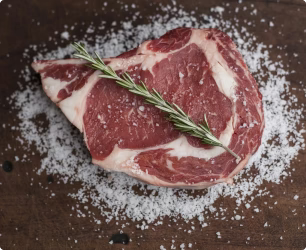
Premium, family-raised cattle and farm products from Yon Family Farms, rooted in quality, tradition, and generations of care.

Small-batch, thoughtfully crafted goods that complement your table with rich, authentic Southern flavors.
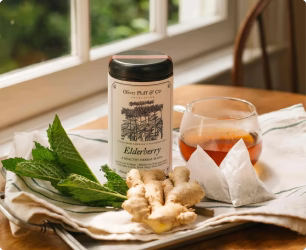
Historic tea blends by Oliver Pluff & Company, inspired by early American traditions and crafted to bring authentic flavor and heritage to every cup.
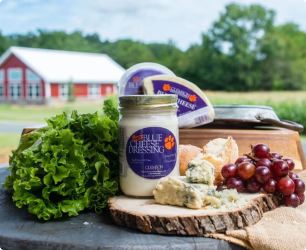
Rich, handcrafted blue cheese with bold flavor, ideal for entertaining, cooking, or simple indulgence.
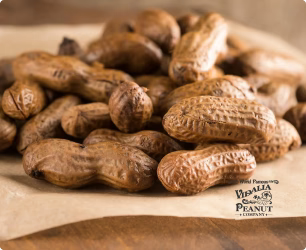
Freshly roasted peanuts and Southern snacks made from quality ingredients, full of flavor and crunch.

Delicious baked goods and gourmet treats, perfect for desserts, gifting, or something sweet anytime.

Anyone can buy a peach. Not everyone can pick a good one.
Anyone can buy a peach. Not everyone can pick a good one.
READ MORE
Walk into our Market this week and you'll find four heirloom tomatoes sitting side by side that all look completely different and taste even more different. If you've ever stood at the table trying to decide which one to take home, this is for you. Here's how to tell them apart, and what to do with each one once you get it in your kitchen. Cherokee Purple: The Classic Cherokee Purple is the one most people recognize first, with its dusky reddish-purple skin and green shoulders. It's got a rich, smoky-sweet flavor with low acidity, which is why it's the go-to for a straight-up tomato sandwich or a slice with just salt. We've written a full history on this one if you want the backstory, including how it got its name and why tomato historians still argue about it. Read the Cherokee Purple deep-dive here. Brandywine: The Standard-Bearer If Cherokee Purple is the popular one, Brandywine is the one serious tomato people point to as the gold standard. It's an Amish heirloom, large and pink-skinned, with dense, meaty flesh and very few seeds. The flavor is rich and well-balanced between sweet and tart, more classic "tomato" flavor than Cherokee Purple's smokiness. Best use: Brandywine's low seed count and meaty texture make it the best of the four for a thick-cut sandwich or a caprese where you don't want a watery slice falling apart. Stripes: The Mild One Stripes are the tomato in the lineup that surprises people. Marbled red and yellow both outside and in, they're noticeably milder and lower-acid than Cherokee Purple or Brandywine, with a soft, almost fruity sweetness. Best use: If someone in your house says they "don't really like tomatoes," Stripes is the one to hand them. It's also the prettiest one to slice for a plate, since the marbling shows in cross-section. Tye Dye: The Showstopper Tye Dye is the newest kid in the heirloom world, and it's the one people take pictures of before they eat it. The skin is swirled green, orange, and red, and the inside is a deep red with that same tangy-sweet complexity that's made it a favorite among chefs over the last decade. Best use: Anywhere you want both flavor and a wow factor. Sliced on its own with good olive oil and flaky salt, it doesn't need much else. Why These Taste Different From a Grocery Store Tomato All four of these are heirlooms, meaning they're grown for flavor, not for surviving a truck ride across the country. That's the tradeoff: heirlooms bruise easier and don't last as long on the counter, but they taste like an actual tomato instead of a red water balloon. It's also why they cost more than what you'd find in a regular grocery store aisle. All four varieties are in the Market now, but heirloom season is short. Come by, grab one of each, and do your own side-by-side taste test. We'd love to hear which one wins in your kitchen.
Walk into our Market this week and you'll find four heirloom tomatoes sitting side by side that all look completely different and taste even more different. If you've ever stood at the table trying to decide which one to take home, this is for you. Here's how to tell them apart, and what to do with each one once you get it in your kitchen. Cherokee Purple: The Classic Cherokee Purple is the one most people recognize first, with its dusky reddish-purple skin and green shoulders. It's got a rich, smoky-sweet flavor with low acidity, which is why it's the go-to for a straight-up tomato sandwich or a slice with just salt. We've written a full history on this one if you want the backstory, including how it got its name and why tomato historians still argue about it. Read the Cherokee Purple deep-dive here. Brandywine: The Standard-Bearer If Cherokee Purple is the popular one, Brandywine is the one serious tomato people point to as the gold standard. It's an Amish heirloom, large and pink-skinned, with dense, meaty flesh and very few seeds. The flavor is rich and well-balanced between sweet and tart, more classic "tomato" flavor than Cherokee Purple's smokiness. Best use: Brandywine's low seed count and meaty texture make it the best of the four for a thick-cut sandwich or a caprese where you don't want a watery slice falling apart. Stripes: The Mild One Stripes are the tomato in the lineup that surprises people. Marbled red and yellow both outside and in, they're noticeably milder and lower-acid than Cherokee Purple or Brandywine, with a soft, almost fruity sweetness. Best use: If someone in your house says they "don't really like tomatoes," Stripes is the one to hand them. It's also the prettiest one to slice for a plate, since the marbling shows in cross-section. Tye Dye: The Showstopper Tye Dye is the newest kid in the heirloom world, and it's the one people take pictures of before they eat it. The skin is swirled green, orange, and red, and the inside is a deep red with that same tangy-sweet complexity that's made it a favorite among chefs over the last decade. Best use: Anywhere you want both flavor and a wow factor. Sliced on its own with good olive oil and flaky salt, it doesn't need much else. Why These Taste Different From a Grocery Store Tomato All four of these are heirlooms, meaning they're grown for flavor, not for surviving a truck ride across the country. That's the tradeoff: heirlooms bruise easier and don't last as long on the counter, but they taste like an actual tomato instead of a red water balloon. It's also why they cost more than what you'd find in a regular grocery store aisle. All four varieties are in the Market now, but heirloom season is short. Come by, grab one of each, and do your own side-by-side taste test. We'd love to hear which one wins in your kitchen.
READ MORE
If you've walked through our Market and spotted the strawberry onions, there's a good chance you stopped and thought: What exactly is that? You're not alone. Despite being one of the most flavorful onions you can get your hands on, the strawberry onion flies under the radar for most home cooks. That changes today.
If you've walked through our Market and spotted the strawberry onions, there's a good chance you stopped and thought: What exactly is that? You're not alone. Despite being one of the most flavorful onions you can get your hands on, the strawberry onion flies under the radar for most home cooks. That changes today.
READ MORE
If you’ve ever felt like your meal needed just a little something extra—a tangy drizzle, a spicy kick, or a creamy finish—you’ll love our Terrapin Ridge garnishing sauces. These versatile flavor boosters are a simple way to turn everyday ingredients into something memorable. Garnishing sauces are made to be the final flourish or dipping companion for your favorite dishes. But don’t let the word “garnish” fool you—these aren’t just pretty. They’re packed with flavor, and just a squeeze or spoonful can transform vegetables, proteins, sandwiches, and more. We’re currently carrying three customer favorites:Buffalo Ranch, Sriracha Aioli, and Bang Bang Sauce—and all three pair perfectly with items you’ll find right here in our Market. 1. Buffalo Ranch Creamy, tangy, and with just the right amount of heat, this one’s a game-changer for roasted or air-fried vegetables. Try it over: Air-Fried Eggplant Rounds – Slice and crisp up eggplant, then drizzle with Buffalo Ranch for a kicked-up appetizer or meatless main. Crispy Chicken Wings – We carry locally raised chicken wings—you can fry or air-fry and dip away. Loaded Baked Potatoes – Top a roasted potato with cheese, scallions, and Buffalo Ranch for a satisfying, simple dinner. 2. Sriracha Aioli This creamy sauce adds a subtle garlic warmth with a hit of spice—it’s amazing on just about everything. Brussels Sprouts & Mushrooms – Roast until crispy, then serve with a dollop of Sriracha Aioli on the side or right on top. Shrimp Wraps or Bowls – Grab some shrimp from our cooler, cook them up, and serve with rice, slaw, and this aioli. Burger Night – Swap plain mayo for this aioli on burgers made with our local beef or even plant-based patties. 3. Bang Bang Sauce Sweet, tangy, and just a little spicy, Bang Bang Sauce is practically begging to be paired with crispy bites and seafood. Bang Bang Shrimp – Toss fried or sautéed shrimp in the sauce and serve over rice. Mini Flatbread Pizzas – Use a sliced demi baguette, top with veggies, cheese, and drizzle with Bang Bang Sauce after baking. Sweet Potato Fries – Pick up some of our locally grown sweet potatoes, slice and roast, and serve with Bang Bang on the side. More Meal Ideas: Caprese Skewers with a Drizzle – Add a twist to classic tomato, mozzarella, and basil combo with a touch of Sriracha Aioli or Bang Bang Sauce. Stuffed Mushrooms – Use our herbed cream cheese or pimento cheese, stuff mushrooms, bake, and garnish with any of the three sauces. Breakfast Sandwiches – Use our farm-fresh eggs, bacon, and English muffins with a swipe of any of these sauces for a bold start to your day. Grilled Veggie Bowls – Combine zucchini, onions, peppers, and rice, and top with your favorite Terrapin Ridge sauce for a quick lunch or dinner. Whether you're dressing up leftovers or building something new, these sauces are the perfect way to bring bold flavor to your meals without spending hours in the kitchen. Pick up a bottle (or all three!) and browse the Market to find everything you need to create delicious combinations at home.
If you’ve ever felt like your meal needed just a little something extra—a tangy drizzle, a spicy kick, or a creamy finish—you’ll love our Terrapin Ridge garnishing sauces. These versatile flavor boosters are a simple way to turn everyday ingredients into something memorable. Garnishing sauces are made to be the final flourish or dipping companion for your favorite dishes. But don’t let the word “garnish” fool you—these aren’t just pretty. They’re packed with flavor, and just a squeeze or spoonful can transform vegetables, proteins, sandwiches, and more. We’re currently carrying three customer favorites:Buffalo Ranch, Sriracha Aioli, and Bang Bang Sauce—and all three pair perfectly with items you’ll find right here in our Market. 1. Buffalo Ranch Creamy, tangy, and with just the right amount of heat, this one’s a game-changer for roasted or air-fried vegetables. Try it over: Air-Fried Eggplant Rounds – Slice and crisp up eggplant, then drizzle with Buffalo Ranch for a kicked-up appetizer or meatless main. Crispy Chicken Wings – We carry locally raised chicken wings—you can fry or air-fry and dip away. Loaded Baked Potatoes – Top a roasted potato with cheese, scallions, and Buffalo Ranch for a satisfying, simple dinner. 2. Sriracha Aioli This creamy sauce adds a subtle garlic warmth with a hit of spice—it’s amazing on just about everything. Brussels Sprouts & Mushrooms – Roast until crispy, then serve with a dollop of Sriracha Aioli on the side or right on top. Shrimp Wraps or Bowls – Grab some shrimp from our cooler, cook them up, and serve with rice, slaw, and this aioli. Burger Night – Swap plain mayo for this aioli on burgers made with our local beef or even plant-based patties. 3. Bang Bang Sauce Sweet, tangy, and just a little spicy, Bang Bang Sauce is practically begging to be paired with crispy bites and seafood. Bang Bang Shrimp – Toss fried or sautéed shrimp in the sauce and serve over rice. Mini Flatbread Pizzas – Use a sliced demi baguette, top with veggies, cheese, and drizzle with Bang Bang Sauce after baking. Sweet Potato Fries – Pick up some of our locally grown sweet potatoes, slice and roast, and serve with Bang Bang on the side. More Meal Ideas: Caprese Skewers with a Drizzle – Add a twist to classic tomato, mozzarella, and basil combo with a touch of Sriracha Aioli or Bang Bang Sauce. Stuffed Mushrooms – Use our herbed cream cheese or pimento cheese, stuff mushrooms, bake, and garnish with any of the three sauces. Breakfast Sandwiches – Use our farm-fresh eggs, bacon, and English muffins with a swipe of any of these sauces for a bold start to your day. Grilled Veggie Bowls – Combine zucchini, onions, peppers, and rice, and top with your favorite Terrapin Ridge sauce for a quick lunch or dinner. Whether you're dressing up leftovers or building something new, these sauces are the perfect way to bring bold flavor to your meals without spending hours in the kitchen. Pick up a bottle (or all three!) and browse the Market to find everything you need to create delicious combinations at home.
READ MORE
At Cold Creek, we love supporting small businesses that care deeply about the quality and integrity of their products—and King George Lavender fits that bill beautifully. Based just up the road in Barnwell, SC, King George Lavender is a family-run farm known for its fragrant fields of organic lavender and the handcrafted goodies that come from them. Every item they produce is a true labor of love—grown, harvested, and bottled with care. One of our favorite offerings from their line is the Lavender Simple Syrup—a refreshing floral syrup that brings the soft, soothing notes of lavender to everything it touches. Crafted in small batches with vapor-distilled water, pure cane sugar, and hand-harvested organic lavender flowers, this syrup is as clean and pure as it is flavorful. And in the heat of a Southern summer, it’s just the thing to cool you down in the most elegant way. Here are some of our favorite ways to enjoy it: Lavender Lemonade Add a splash to fresh-squeezed lemonade for a floral twist that feels straight out of a spa day. It’s both calming and invigorating. Iced Lavender Lattes Stir it into your iced coffee or cold brew for a sophisticated, subtly sweet lift. Cocktails & Mocktails Mix it into a gin fizz, vodka spritz, or non-alcoholic sparkling water with a wedge of lemon for a porch-perfect summer sip. Drizzled Over Dessert Try it on vanilla ice cream, fresh berries, or lemon sorbet. It's also delicious over pancakes or waffles with a little fresh fruit. Lavender Spritzers Combine it with soda water, cucumber slices, and mint for a super refreshing mocktail that’s just as lovely to look at as it is to drink. This syrup comes in a charming 9oz bottle and makes a sweet gift for your favorite foodie—or yourself! Whether you’re elevating your afternoon tea or creating a signature summer drink for guests, King George Lavender’s simple syrup brings a gentle, aromatic touch that’s both unexpected and unforgettable. Come grab a bottle in our Market and bring a little local lavender luxury into your kitchen this summer.
At Cold Creek, we love supporting small businesses that care deeply about the quality and integrity of their products—and King George Lavender fits that bill beautifully. Based just up the road in Barnwell, SC, King George Lavender is a family-run farm known for its fragrant fields of organic lavender and the handcrafted goodies that come from them. Every item they produce is a true labor of love—grown, harvested, and bottled with care. One of our favorite offerings from their line is the Lavender Simple Syrup—a refreshing floral syrup that brings the soft, soothing notes of lavender to everything it touches. Crafted in small batches with vapor-distilled water, pure cane sugar, and hand-harvested organic lavender flowers, this syrup is as clean and pure as it is flavorful. And in the heat of a Southern summer, it’s just the thing to cool you down in the most elegant way. Here are some of our favorite ways to enjoy it: Lavender Lemonade Add a splash to fresh-squeezed lemonade for a floral twist that feels straight out of a spa day. It’s both calming and invigorating. Iced Lavender Lattes Stir it into your iced coffee or cold brew for a sophisticated, subtly sweet lift. Cocktails & Mocktails Mix it into a gin fizz, vodka spritz, or non-alcoholic sparkling water with a wedge of lemon for a porch-perfect summer sip. Drizzled Over Dessert Try it on vanilla ice cream, fresh berries, or lemon sorbet. It's also delicious over pancakes or waffles with a little fresh fruit. Lavender Spritzers Combine it with soda water, cucumber slices, and mint for a super refreshing mocktail that’s just as lovely to look at as it is to drink. This syrup comes in a charming 9oz bottle and makes a sweet gift for your favorite foodie—or yourself! Whether you’re elevating your afternoon tea or creating a signature summer drink for guests, King George Lavender’s simple syrup brings a gentle, aromatic touch that’s both unexpected and unforgettable. Come grab a bottle in our Market and bring a little local lavender luxury into your kitchen this summer.
READ MORE
If you’ve ever seen a piece of honeycomb at a farmer’s market or in a specialty shop and wondered what to do with it, you’re not alone. This golden, hexagon-patterned delicacy is more than just beautiful—it’s an incredibly delicious and versatile ingredient that brings both sweetness and texture to your favorite dishes. So, What Is Honeycomb? Honeycomb is exactly what it sounds like: a waxy structure made by honeybees to store honey and pollen, and to house their larvae. Each hexagonal cell is filled with raw honey and then capped with a thin layer of beeswax to preserve its freshness. When you buy honeycomb, you’re getting both the honey and the wax—straight from the hive and untouched by processing. What makes honeycomb special is that it’s completely edible. The honey is rich, floral, and deeply flavorful, and the wax adds a unique chewy texture that slowly melts in your mouth. Is Honeycomb Safe to Eat? Yes! Raw honeycomb is safe to eat and has been enjoyed for centuries around the world. The beeswax is digestible in small amounts, and chewing it is part of the experience—similar to enjoying a soft natural gum. How to Use Honeycomb in the Kitchen While it’s delicious on its own (yes, you can just cut a piece and eat it!), honeycomb really shines when used in your everyday meals and snacks. Here are a few of our favorite ways to enjoy it: 1. On a Cheese Board Honeycomb is a beautiful and tasty addition to a charcuterie or cheese board. Pair it with creamy cheeses like brie, camembert, goat cheese, or even sharp aged cheddar. The sweet and savory combo is unbeatable. 2. Spread on Warm Bread or Biscuits Let the honey melt slightly into warm toast, English muffins, or buttery biscuits. The wax adds a subtle chew, while the honey soaks into the bread—pure heaven. 3. Drizzled Over Salads Crumble bits of honeycomb over fresh greens, roasted nuts, and goat cheese for a sweet note and light texture in your salad. It pairs especially well with balsamic vinaigrette or citrus-based dressings. 4. On Breakfast Dishes Top yogurt, oatmeal, or pancakes with a spoonful of honeycomb. It adds richness, natural sweetness, and a bit of visual flair to your morning routine. 5. Served with Fruit or Ice Cream Honeycomb with fresh berries or stone fruit is a simple yet elevated dessert. Or try it with a scoop of vanilla or mascarpone ice cream for a decadent treat. 6. In Hot Drinks (with a note) You can stir a small piece into hot tea, but keep in mind the wax won’t fully dissolve. It will soften, though, and you can chew or remove it after it infuses your drink with that unmistakable honey flavor. A Natural Work of Art Aside from its culinary uses, honeycomb is simply beautiful. It makes a lovely addition to gift baskets, breakfast trays, or brunch spreads. And because it’s raw and unfiltered, it still contains small amounts of pollen, enzymes, and antioxidants—making it not just delicious, but also full of natural goodness. If you haven’t tried honeycomb before, stop by the Market and pick some up. Whether you add it to your favorite dish or enjoy it straight off the spoon, you’re in for a sweet, unforgettable treat.
If you’ve ever seen a piece of honeycomb at a farmer’s market or in a specialty shop and wondered what to do with it, you’re not alone. This golden, hexagon-patterned delicacy is more than just beautiful—it’s an incredibly delicious and versatile ingredient that brings both sweetness and texture to your favorite dishes. So, What Is Honeycomb? Honeycomb is exactly what it sounds like: a waxy structure made by honeybees to store honey and pollen, and to house their larvae. Each hexagonal cell is filled with raw honey and then capped with a thin layer of beeswax to preserve its freshness. When you buy honeycomb, you’re getting both the honey and the wax—straight from the hive and untouched by processing. What makes honeycomb special is that it’s completely edible. The honey is rich, floral, and deeply flavorful, and the wax adds a unique chewy texture that slowly melts in your mouth. Is Honeycomb Safe to Eat? Yes! Raw honeycomb is safe to eat and has been enjoyed for centuries around the world. The beeswax is digestible in small amounts, and chewing it is part of the experience—similar to enjoying a soft natural gum. How to Use Honeycomb in the Kitchen While it’s delicious on its own (yes, you can just cut a piece and eat it!), honeycomb really shines when used in your everyday meals and snacks. Here are a few of our favorite ways to enjoy it: 1. On a Cheese Board Honeycomb is a beautiful and tasty addition to a charcuterie or cheese board. Pair it with creamy cheeses like brie, camembert, goat cheese, or even sharp aged cheddar. The sweet and savory combo is unbeatable. 2. Spread on Warm Bread or Biscuits Let the honey melt slightly into warm toast, English muffins, or buttery biscuits. The wax adds a subtle chew, while the honey soaks into the bread—pure heaven. 3. Drizzled Over Salads Crumble bits of honeycomb over fresh greens, roasted nuts, and goat cheese for a sweet note and light texture in your salad. It pairs especially well with balsamic vinaigrette or citrus-based dressings. 4. On Breakfast Dishes Top yogurt, oatmeal, or pancakes with a spoonful of honeycomb. It adds richness, natural sweetness, and a bit of visual flair to your morning routine. 5. Served with Fruit or Ice Cream Honeycomb with fresh berries or stone fruit is a simple yet elevated dessert. Or try it with a scoop of vanilla or mascarpone ice cream for a decadent treat. 6. In Hot Drinks (with a note) You can stir a small piece into hot tea, but keep in mind the wax won’t fully dissolve. It will soften, though, and you can chew or remove it after it infuses your drink with that unmistakable honey flavor. A Natural Work of Art Aside from its culinary uses, honeycomb is simply beautiful. It makes a lovely addition to gift baskets, breakfast trays, or brunch spreads. And because it’s raw and unfiltered, it still contains small amounts of pollen, enzymes, and antioxidants—making it not just delicious, but also full of natural goodness. If you haven’t tried honeycomb before, stop by the Market and pick some up. Whether you add it to your favorite dish or enjoy it straight off the spoon, you’re in for a sweet, unforgettable treat.
READ MORE
Summer in the South brings many sweet gifts, but few are as beloved as the freestone peach. If you’ve ever bitten into one, you know exactly why they’re worth celebrating. Bursting with sun-ripened flavor and that classic peach perfume, freestone peaches are a seasonal favorite—and here in our neck of the woods, we’re lucky enough to live just a county over from the Peach Capital of the World. So what makes a freestone peach different from other varieties? It’s all in the pit. With freestone peaches, the flesh pulls easily away from the stone—making them incredibly convenient for slicing, baking, and preserving. Unlike their firmer cousins, the clingstone peach (where the flesh "clings" to the pit), freestones are prized for how effortless they are to work with, especially in the kitchen. Freestones typically arrive mid-to-late summer and are known for their rich, sweet flavor with just a hint of acidity that balances out the sugar. Their soft, juicy texture makes them perfect for eating fresh, sliced over yogurt, or layered into shortcakes and cobblers. Some people grill them for a smoky twist, others churn them into ice cream, or preserve them in jars to keep a bit of summer on the shelf all year long. And of course, there’s nothing wrong with enjoying them straight off the tree, juice running down your chin and all. Here in South Carolina, we don’t take our peaches lightly. In fact, just one county over is Edgefield County, proudly part of the region often dubbed the Peach Capital of the World. This area's warm days, cool nights, and fertile soil produce some of the best peaches in the country—flavorful, fragrant, and full of that old-fashioned, just-picked magic. If you haven’t had a freestone peach yet this season, now is the time. Keep your eye on the Market—we have the good ones coming in fresh, and we can’t wait to share the flavor of summer with you.
Summer in the South brings many sweet gifts, but few are as beloved as the freestone peach. If you’ve ever bitten into one, you know exactly why they’re worth celebrating. Bursting with sun-ripened flavor and that classic peach perfume, freestone peaches are a seasonal favorite—and here in our neck of the woods, we’re lucky enough to live just a county over from the Peach Capital of the World. So what makes a freestone peach different from other varieties? It’s all in the pit. With freestone peaches, the flesh pulls easily away from the stone—making them incredibly convenient for slicing, baking, and preserving. Unlike their firmer cousins, the clingstone peach (where the flesh "clings" to the pit), freestones are prized for how effortless they are to work with, especially in the kitchen. Freestones typically arrive mid-to-late summer and are known for their rich, sweet flavor with just a hint of acidity that balances out the sugar. Their soft, juicy texture makes them perfect for eating fresh, sliced over yogurt, or layered into shortcakes and cobblers. Some people grill them for a smoky twist, others churn them into ice cream, or preserve them in jars to keep a bit of summer on the shelf all year long. And of course, there’s nothing wrong with enjoying them straight off the tree, juice running down your chin and all. Here in South Carolina, we don’t take our peaches lightly. In fact, just one county over is Edgefield County, proudly part of the region often dubbed the Peach Capital of the World. This area's warm days, cool nights, and fertile soil produce some of the best peaches in the country—flavorful, fragrant, and full of that old-fashioned, just-picked magic. If you haven’t had a freestone peach yet this season, now is the time. Keep your eye on the Market—we have the good ones coming in fresh, and we can’t wait to share the flavor of summer with you.
READ MORE
Enjoy the best of sweet corn season with tips for selecting, cooking, and serving fresh South Carolina sweet corn. Discover why local corn tastes better.
Enjoy the best of sweet corn season with tips for selecting, cooking, and serving fresh South Carolina sweet corn. Discover why local corn tastes better.
READ MORE
If you've never cooked with patty pan squash, you're in for a treat. These charming, scalloped-edge squash come in shades of pale green, yellow, and creamy white and look a bit like flying saucers—making them as fun to look at as they are to eat. But don’t let their cute appearance fool you—patty pan squash are versatile, flavorful, and deserve a spot in every summer kitchen. What is Patty Pan Squash? Patty pan squash, also known as scallop squash, is a type of summer squash with a tender skin and soft, buttery interior. Unlike winter squash, you don’t need to peel it—just rinse and cook. When harvested young, they're especially sweet and mild with a delicate, almost nutty flavor that pairs well with a wide range of herbs, cheeses, and proteins. Their firm texture holds up well to various cooking methods, from grilling to roasting, sautéing, or even stuffing. Here are a few delicious ways to bring patty pan squash into your kitchen this season: 1. Roasted Patty Pan with Garlic and Herbs A simple roast really brings out the best in patty pan squash. Cut them into quarters (or halves if they’re small), toss them in olive oil, salt, pepper, minced garlic, and a handful of fresh herbs like rosemary or thyme. Roast at 400°F for about 20–25 minutes until golden and tender. Serve as a side dish, or toss with cooked quinoa and goat cheese for a light lunch. 2. Stuffed Patty Pan Squash Thanks to their shape, patty pans make perfect edible bowls. Cut off the tops and hollow out the centers, then stuff with a savory filling—think sautéed onions, ground sausage or mushrooms, cooked rice, Parmesan, and a few breadcrumbs. Bake at 375°F until the squash is fork-tender and the tops are golden brown. It’s a beautiful and hearty dish that feels a little fancy but is simple to pull together. 3. Grilled Patty Pan Skewers Slice patty pan squash into thick rounds or wedges, toss with olive oil, salt, and pepper, and thread them onto skewers with cherry tomatoes, chunks of red onion, and bell pepper. Grill over medium heat for about 8–10 minutes, turning occasionally. Finish with a drizzle of balsamic glaze or a sprinkle of feta for extra flavor. 4. Summer Squash Sauté Patty pan squash plays nicely with other summer vegetables. Slice it thin and sauté with zucchini, sweet corn, and cherry tomatoes in a little butter or olive oil. Add a splash of white wine or lemon juice, then finish with fresh basil. Serve as a light side or toss it with pasta and a dusting of Parmesan for a fresh summer meal. Patty pan squash is one of those ingredients that makes cooking in the summer a joy—quick, easy, and endlessly adaptable. Whether you’re roasting, stuffing, grilling, or sautéing, these cheerful little squash are ready to add beauty and flavor to your table. Have a favorite way to cook patty pan squash? Share it with us next time you stop in the Market or leave a comment—we love swapping kitchen inspiration!
If you've never cooked with patty pan squash, you're in for a treat. These charming, scalloped-edge squash come in shades of pale green, yellow, and creamy white and look a bit like flying saucers—making them as fun to look at as they are to eat. But don’t let their cute appearance fool you—patty pan squash are versatile, flavorful, and deserve a spot in every summer kitchen. What is Patty Pan Squash? Patty pan squash, also known as scallop squash, is a type of summer squash with a tender skin and soft, buttery interior. Unlike winter squash, you don’t need to peel it—just rinse and cook. When harvested young, they're especially sweet and mild with a delicate, almost nutty flavor that pairs well with a wide range of herbs, cheeses, and proteins. Their firm texture holds up well to various cooking methods, from grilling to roasting, sautéing, or even stuffing. Here are a few delicious ways to bring patty pan squash into your kitchen this season: 1. Roasted Patty Pan with Garlic and Herbs A simple roast really brings out the best in patty pan squash. Cut them into quarters (or halves if they’re small), toss them in olive oil, salt, pepper, minced garlic, and a handful of fresh herbs like rosemary or thyme. Roast at 400°F for about 20–25 minutes until golden and tender. Serve as a side dish, or toss with cooked quinoa and goat cheese for a light lunch. 2. Stuffed Patty Pan Squash Thanks to their shape, patty pans make perfect edible bowls. Cut off the tops and hollow out the centers, then stuff with a savory filling—think sautéed onions, ground sausage or mushrooms, cooked rice, Parmesan, and a few breadcrumbs. Bake at 375°F until the squash is fork-tender and the tops are golden brown. It’s a beautiful and hearty dish that feels a little fancy but is simple to pull together. 3. Grilled Patty Pan Skewers Slice patty pan squash into thick rounds or wedges, toss with olive oil, salt, and pepper, and thread them onto skewers with cherry tomatoes, chunks of red onion, and bell pepper. Grill over medium heat for about 8–10 minutes, turning occasionally. Finish with a drizzle of balsamic glaze or a sprinkle of feta for extra flavor. 4. Summer Squash Sauté Patty pan squash plays nicely with other summer vegetables. Slice it thin and sauté with zucchini, sweet corn, and cherry tomatoes in a little butter or olive oil. Add a splash of white wine or lemon juice, then finish with fresh basil. Serve as a light side or toss it with pasta and a dusting of Parmesan for a fresh summer meal. Patty pan squash is one of those ingredients that makes cooking in the summer a joy—quick, easy, and endlessly adaptable. Whether you’re roasting, stuffing, grilling, or sautéing, these cheerful little squash are ready to add beauty and flavor to your table. Have a favorite way to cook patty pan squash? Share it with us next time you stop in the Market or leave a comment—we love swapping kitchen inspiration!
READ MORE
There’s something deeply satisfying about transforming fresh produce into flavorful, long-lasting pickled treats. Whether you're preserving your garden harvest or grabbing a few extra veggies at the market, these quick pickling recipes are a fun and easy way to add zing to your meals. Here are four of our favorites: crisp dill pickles, tangy red onions, spicy jalapeños, and zesty giardiniera. Quick Dill Pickles (24 oz) Crisp, classic, and ready in just a few days. These are your sandwich’s best friend. Ingredients: 1 quart pickling cucumbers 4 sprigs of fresh dill 1 cup water 1 cup vinegar 2 tbsp sugar 1 tbsp salt Instructions: 1. Slice cucumbers into spears or discs and place them in a 24 oz jar with the dill. 2. Bring water, vinegar, sugar, and salt to a boil to make your brine. 3. Pour the hot brine over the cucumbers. 4. Let it cool, seal the jar, and refrigerate. 5. Wait 6–7 days before eating. These pickles are best enjoyed within 3 weeks. Pickled Red Onions (24 oz) Beautifully vibrant and full of tang, these onions elevate everything from tacos to toast. Ingredients: 1 quart red onions (sliced into half moons) ½ cup water 1½ cups vinegar ½ cup sugar A big pinch of salt Optional: Star anise, black peppercorns for a flavor twist Instructions: 1. Pack sliced onions into a jar. 2. In a saucepan, bring water, vinegar, sugar, salt, and optional spices to a boil. 3. Pour the hot brine over the onions (strain out any whole spices). 4. Let it cool, seal, and refrigerate. 5. They’ll be ready in 6–7 days and stay fresh for 2 weeks. Pickled Jalapeños (24 oz) Add a little heat to your plate! These spicy slices are perfect on nachos, burgers, and eggs. Ingredients: 1 quart jalapeños, sliced 3 cups vinegar ½ cup sugar 1 bay leaf Instructions: 1. Add sliced jalapeños to your jar. 2. Bring vinegar, sugar, and the bay leaf to a boil. 3. Pour brine over the jalapeños, let it cool, then seal the jar. 4. Refrigerate for 6–7 days. Enjoy within 3 weeks. Homemade Giardiniera (24 oz) A colorful, crunchy medley that’s equally at home on charcuterie boards, sandwiches, and salads. Ingredients: 8–12 cauliflower florets 1 bell pepper 1 carrot 1 celery stick ½ onion 3 cloves garlic 1 cup vinegar 1 tbsp dried oregano 1 tbsp chili flakes 1 tbsp celery seed A big pinch of salt ¼ cup olive oil Instructions: 1. Dice all vegetables and garlic. Season generously with salt and pack them into a jar. 2. Bring vinegar, oregano, chili flakes, celery seed, and salt to a boil. 3. Pour the brine over the veggies, let cool, then seal the jar. 4. Refrigerate for 6–7 days. Then strain the brine, mix in olive oil, and enjoy! Best consumed within 3 weeks. Whether you’re new to pickling or a seasoned pro, these recipes are simple, satisfying, and endlessly versatile. Store them in your fridge and let your taste buds thank you later. Happy pickling!
There’s something deeply satisfying about transforming fresh produce into flavorful, long-lasting pickled treats. Whether you're preserving your garden harvest or grabbing a few extra veggies at the market, these quick pickling recipes are a fun and easy way to add zing to your meals. Here are four of our favorites: crisp dill pickles, tangy red onions, spicy jalapeños, and zesty giardiniera. Quick Dill Pickles (24 oz) Crisp, classic, and ready in just a few days. These are your sandwich’s best friend. Ingredients: 1 quart pickling cucumbers 4 sprigs of fresh dill 1 cup water 1 cup vinegar 2 tbsp sugar 1 tbsp salt Instructions: 1. Slice cucumbers into spears or discs and place them in a 24 oz jar with the dill. 2. Bring water, vinegar, sugar, and salt to a boil to make your brine. 3. Pour the hot brine over the cucumbers. 4. Let it cool, seal the jar, and refrigerate. 5. Wait 6–7 days before eating. These pickles are best enjoyed within 3 weeks. Pickled Red Onions (24 oz) Beautifully vibrant and full of tang, these onions elevate everything from tacos to toast. Ingredients: 1 quart red onions (sliced into half moons) ½ cup water 1½ cups vinegar ½ cup sugar A big pinch of salt Optional: Star anise, black peppercorns for a flavor twist Instructions: 1. Pack sliced onions into a jar. 2. In a saucepan, bring water, vinegar, sugar, salt, and optional spices to a boil. 3. Pour the hot brine over the onions (strain out any whole spices). 4. Let it cool, seal, and refrigerate. 5. They’ll be ready in 6–7 days and stay fresh for 2 weeks. Pickled Jalapeños (24 oz) Add a little heat to your plate! These spicy slices are perfect on nachos, burgers, and eggs. Ingredients: 1 quart jalapeños, sliced 3 cups vinegar ½ cup sugar 1 bay leaf Instructions: 1. Add sliced jalapeños to your jar. 2. Bring vinegar, sugar, and the bay leaf to a boil. 3. Pour brine over the jalapeños, let it cool, then seal the jar. 4. Refrigerate for 6–7 days. Enjoy within 3 weeks. Homemade Giardiniera (24 oz) A colorful, crunchy medley that’s equally at home on charcuterie boards, sandwiches, and salads. Ingredients: 8–12 cauliflower florets 1 bell pepper 1 carrot 1 celery stick ½ onion 3 cloves garlic 1 cup vinegar 1 tbsp dried oregano 1 tbsp chili flakes 1 tbsp celery seed A big pinch of salt ¼ cup olive oil Instructions: 1. Dice all vegetables and garlic. Season generously with salt and pack them into a jar. 2. Bring vinegar, oregano, chili flakes, celery seed, and salt to a boil. 3. Pour the brine over the veggies, let cool, then seal the jar. 4. Refrigerate for 6–7 days. Then strain the brine, mix in olive oil, and enjoy! Best consumed within 3 weeks. Whether you’re new to pickling or a seasoned pro, these recipes are simple, satisfying, and endlessly versatile. Store them in your fridge and let your taste buds thank you later. Happy pickling!
READ MORE
If there's one dish that can bring my whole Sicilian family to the table with smiles and big appetites, it's homemade Eggplant Parmesan. It's a labor of love — but worth every step. And like many Italian family recipes, this one comes with a few strong opinions and secret tricks.
If there's one dish that can bring my whole Sicilian family to the table with smiles and big appetites, it's homemade Eggplant Parmesan. It's a labor of love — but worth every step. And like many Italian family recipes, this one comes with a few strong opinions and secret tricks.
READ MORE
Blueberry season is here, and we couldn’t be happier. These small but mighty berries are one of summer’s sweetest treasures—and our Market is stocked with the freshest, juiciest blueberries you’ll find, perfect for everything from breakfast to dessert and all the snacking in between. Whether you enjoy them by the handful or baked into something special, there’s nothing quite like a blueberry picked at the peak of ripeness. A Berry with Deep Southern Roots Blueberries thrive in our Southern climate, and for generations, they’ve been a backyard staple as well as a prized crop. Their deep blue color, delicate skin, and satisfying pop make them one of the most beloved fruits of summer—especially when they’re locally grown and freshly picked, like the ones we carry right here at our Market. Unlike store-bought berries that are often picked early and shipped long distances, our blueberries are grown close to home, which means you’re getting them full of flavor, not preservatives. What Makes a Good Blueberry? Fresh, ripe blueberries should be: Plump and slightly firm Deep blue with a silvery “bloom” (that’s a natural protective coating!) Juicy and sweet, with just a touch of tartness Ours check every box—because we only bring in the best. Simple, Elegant Ways to Enjoy Blueberries Blueberries are wonderfully versatile, and their sweet-tart flavor makes them a favorite in both sweet and savory dishes. Here are just a few ways to let them shine: 1. Fresh and Simple Toss a handful into your morning yogurt or oatmeal, or serve them alongside a cheese board with soft goat cheese, honey, and almonds. 2. Classic Blueberry Muffins Warm, buttery, and dotted with bursting berries—blueberry muffins are a morning classic that never goes out of style. 3. Blueberry Salad Upgrade Add them to a summer salad with baby spinach, feta cheese, toasted pecans, and a light balsamic vinaigrette for a perfect balance of sweet and savory. 4. Blueberry Compote Simmer with a little sugar and lemon zest to create a luscious topping for pancakes, waffles, or vanilla ice cream. 5. Frozen for Later Blueberries freeze beautifully. Just rinse, dry, and spread them on a tray to freeze individually before transferring to a container—perfect for smoothies or baking all year long. A Taste of the Season You Won’t Want to Miss Summer is fleeting, and so is blueberry season. Stop by the Market to grab a pint (or two!) while they’re at their best. Whether you’re baking, preserving, or just enjoying them fresh, blueberries bring a burst of sunshine to every dish. We’d love to hear your favorite way to use them—feel free to share your go-to recipes, tips, or family traditions with us the next time you visit!
Blueberry season is here, and we couldn’t be happier. These small but mighty berries are one of summer’s sweetest treasures—and our Market is stocked with the freshest, juiciest blueberries you’ll find, perfect for everything from breakfast to dessert and all the snacking in between. Whether you enjoy them by the handful or baked into something special, there’s nothing quite like a blueberry picked at the peak of ripeness. A Berry with Deep Southern Roots Blueberries thrive in our Southern climate, and for generations, they’ve been a backyard staple as well as a prized crop. Their deep blue color, delicate skin, and satisfying pop make them one of the most beloved fruits of summer—especially when they’re locally grown and freshly picked, like the ones we carry right here at our Market. Unlike store-bought berries that are often picked early and shipped long distances, our blueberries are grown close to home, which means you’re getting them full of flavor, not preservatives. What Makes a Good Blueberry? Fresh, ripe blueberries should be: Plump and slightly firm Deep blue with a silvery “bloom” (that’s a natural protective coating!) Juicy and sweet, with just a touch of tartness Ours check every box—because we only bring in the best. Simple, Elegant Ways to Enjoy Blueberries Blueberries are wonderfully versatile, and their sweet-tart flavor makes them a favorite in both sweet and savory dishes. Here are just a few ways to let them shine: 1. Fresh and Simple Toss a handful into your morning yogurt or oatmeal, or serve them alongside a cheese board with soft goat cheese, honey, and almonds. 2. Classic Blueberry Muffins Warm, buttery, and dotted with bursting berries—blueberry muffins are a morning classic that never goes out of style. 3. Blueberry Salad Upgrade Add them to a summer salad with baby spinach, feta cheese, toasted pecans, and a light balsamic vinaigrette for a perfect balance of sweet and savory. 4. Blueberry Compote Simmer with a little sugar and lemon zest to create a luscious topping for pancakes, waffles, or vanilla ice cream. 5. Frozen for Later Blueberries freeze beautifully. Just rinse, dry, and spread them on a tray to freeze individually before transferring to a container—perfect for smoothies or baking all year long. A Taste of the Season You Won’t Want to Miss Summer is fleeting, and so is blueberry season. Stop by the Market to grab a pint (or two!) while they’re at their best. Whether you’re baking, preserving, or just enjoying them fresh, blueberries bring a burst of sunshine to every dish. We’d love to hear your favorite way to use them—feel free to share your go-to recipes, tips, or family traditions with us the next time you visit!
READ MORE
There are tomatoes, and then there are Cherokee Purple tomatoes. Known for their rich flavor, unique color, and fascinating history, Cherokee Purple tomatoes have earned a loyal following among gardeners, chefs, and home cooks alike.
There are tomatoes, and then there are Cherokee Purple tomatoes. Known for their rich flavor, unique color, and fascinating history, Cherokee Purple tomatoes have earned a loyal following among gardeners, chefs, and home cooks alike.
READ MORE
Once you’ve brought home a beautiful bunch of Bradford Collards from our Market, the question becomes: how best to enjoy them? These heirloom greens, grown with care right here in South Carolina, are flavorful, tender, and remarkably versatile. Whether you prefer time-honored traditions or enjoy experimenting in the kitchen, Bradford Collards are a joy to cook with. Here are a few delicious ways to prepare them: 1. The Southern Classic: Slow-Simmered with Smoked Meat There’s nothing more comforting than a pot of collards gently simmered with smoked ham hock, turkey wings, or bacon. Bradford Collards shine in this preparation thanks to their naturally tender leaves and rich, buttery flavor. To Make: Sauté onions and garlic in a bit of olive oil or rendered bacon fat. Add chopped collards, cover with broth (chicken or vegetable), and tuck in a smoked meat of your choice. Simmer on low for 45 minutes to an hour until the greens are soft but not mushy. Finish with a splash of vinegar to brighten the flavors. 2. Quick Sauté with Garlic and Olive Oil For a lighter option, Bradford Collards can be prepared just like spinach or kale. Their tender texture means they don’t require a long cook time. To Make: Sauté minced garlic in olive oil until fragrant. Add chopped collards, season with salt and pepper, and cook for 5–7 minutes until wilted but still vibrant. Finish with a squeeze of lemon juice or a pinch of red pepper flakes. 3. Braised with Tomatoes and Onions This slightly sweet and tangy method is inspired by Gullah and Lowcountry cooking traditions. It’s a great side dish for roasted meats or seafood. To Make: Cook sliced onions until soft, add diced tomatoes (fresh or canned), and then add your collards. Season with salt, pepper, and a touch of sugar or molasses. Simmer gently until the greens are tender and the flavors meld. 4. Collard Wraps: A Healthy, Southern-Inspired Twist Use large, whole Bradford Collard leaves in place of tortillas for wraps. Blanch them briefly in boiling water to soften, then fill with your choice of grains, vegetables, and proteins. Great Combinations: Brown rice, black-eyed peas, and roasted sweet potatoes Quinoa, hummus, cucumber, and grilled chicken Leftover pulled pork with slaw and hot sauce 5. Collard & White Bean Soup A nourishing, rustic soup that makes a satisfying meal on cool evenings. To Make: Sauté garlic, onion, and celery. Add chopped Bradford Collards, a can of white beans, and broth. Simmer until the greens are tender. Add a squeeze of lemon and top with shaved Parmesan or a swirl of olive oil for a refined finish. 6. Southern Stir-Fry Add chopped collards to a skillet with onions, bell peppers, and sausage or shrimp for a quick one-pan meal. Bradford Collards hold up beautifully and soak up the flavors around them. One Green, Endless Possibilities Whether you’re preparing a Sunday supper or a quick weeknight dish, Bradford Collards add depth, flavor, and a sense of place to your plate. Their heritage and local roots make them special—but it’s their taste that will keep you coming back. Pick up a bunch this week at the Market and try one of these preparations—or get creative with your own! If you discover a new favorite, we’d love to hear about it.
Once you’ve brought home a beautiful bunch of Bradford Collards from our Market, the question becomes: how best to enjoy them? These heirloom greens, grown with care right here in South Carolina, are flavorful, tender, and remarkably versatile. Whether you prefer time-honored traditions or enjoy experimenting in the kitchen, Bradford Collards are a joy to cook with. Here are a few delicious ways to prepare them: 1. The Southern Classic: Slow-Simmered with Smoked Meat There’s nothing more comforting than a pot of collards gently simmered with smoked ham hock, turkey wings, or bacon. Bradford Collards shine in this preparation thanks to their naturally tender leaves and rich, buttery flavor. To Make: Sauté onions and garlic in a bit of olive oil or rendered bacon fat. Add chopped collards, cover with broth (chicken or vegetable), and tuck in a smoked meat of your choice. Simmer on low for 45 minutes to an hour until the greens are soft but not mushy. Finish with a splash of vinegar to brighten the flavors. 2. Quick Sauté with Garlic and Olive Oil For a lighter option, Bradford Collards can be prepared just like spinach or kale. Their tender texture means they don’t require a long cook time. To Make: Sauté minced garlic in olive oil until fragrant. Add chopped collards, season with salt and pepper, and cook for 5–7 minutes until wilted but still vibrant. Finish with a squeeze of lemon juice or a pinch of red pepper flakes. 3. Braised with Tomatoes and Onions This slightly sweet and tangy method is inspired by Gullah and Lowcountry cooking traditions. It’s a great side dish for roasted meats or seafood. To Make: Cook sliced onions until soft, add diced tomatoes (fresh or canned), and then add your collards. Season with salt, pepper, and a touch of sugar or molasses. Simmer gently until the greens are tender and the flavors meld. 4. Collard Wraps: A Healthy, Southern-Inspired Twist Use large, whole Bradford Collard leaves in place of tortillas for wraps. Blanch them briefly in boiling water to soften, then fill with your choice of grains, vegetables, and proteins. Great Combinations: Brown rice, black-eyed peas, and roasted sweet potatoes Quinoa, hummus, cucumber, and grilled chicken Leftover pulled pork with slaw and hot sauce 5. Collard & White Bean Soup A nourishing, rustic soup that makes a satisfying meal on cool evenings. To Make: Sauté garlic, onion, and celery. Add chopped Bradford Collards, a can of white beans, and broth. Simmer until the greens are tender. Add a squeeze of lemon and top with shaved Parmesan or a swirl of olive oil for a refined finish. 6. Southern Stir-Fry Add chopped collards to a skillet with onions, bell peppers, and sausage or shrimp for a quick one-pan meal. Bradford Collards hold up beautifully and soak up the flavors around them. One Green, Endless Possibilities Whether you’re preparing a Sunday supper or a quick weeknight dish, Bradford Collards add depth, flavor, and a sense of place to your plate. Their heritage and local roots make them special—but it’s their taste that will keep you coming back. Pick up a bunch this week at the Market and try one of these preparations—or get creative with your own! If you discover a new favorite, we’d love to hear about it.
READ MORE
Some vegetables carry more than just flavor—they carry a story. Bradford Collards are one such treasure, and we’re proud to offer them fresh from Bradford Farm, just a short drive from here. These aren’t your average grocery store greens. Bradford Collards are an heirloom variety, steeped in Southern history and cultivated with care to preserve their unmatched taste and cultural significance. A Taste of the Past, Grown in the Present The Bradford family name is familiar to many in the South, particularly for their efforts to revive the Bradford Watermelon, a long-lost variety known for its sweetness and thin rind. That same spirit of preservation and reverence for the land extends to their collards. The Bradford Collard is a traditional, non-hybrid variety that’s been passed down through generations of farmers in South Carolina. Unlike modern commercial collards bred for transport or shelf life, these are grown for one thing only: flavor. They’re deeply green, tender without being fragile, and offer a rich, almost buttery taste with just the right balance of bitterness. In short, they taste the way collards used to taste—before shortcuts and mass production changed the way we farmed and ate. From Field to Our Market We receive our Bradford Collards directly from Bradford Farm, where they’re grown using regenerative practices that honor the land and local ecology. Every leaf is harvested with intention, ensuring peak freshness and nutrient density. When you buy them from our Market, you’re not only bringing home a superior green—you’re supporting a legacy of Southern farming, sustainability, and flavor. Why They Taste Better Bradford Collards aren’t rushed to maturity, nor are they engineered to withstand long-distance shipping. As a result, their cell structure remains intact, giving them a tender texture when cooked and a richer flavor profile than commercial varieties. They're high in natural sugars, especially after the first cool nights, which softens their bite and enhances their depth. They also have a more open leaf and delicate stem, making them easier to clean, chop, and cook quickly—no long simmering required to achieve that melt-in-your-mouth tenderness. Experience a True Southern Heirloom If you grew up with a pot of greens simmering on the stove, one bite of Bradford Collards will take you right back. And if you’re discovering collards for the first time, there’s no better introduction. Visit our Market to pick up a bunch of these locally grown, heritage greens and taste the difference for yourself. Bradford Collards are more than a vegetable—they’re a living piece of South Carolina history.
Some vegetables carry more than just flavor—they carry a story. Bradford Collards are one such treasure, and we’re proud to offer them fresh from Bradford Farm, just a short drive from here. These aren’t your average grocery store greens. Bradford Collards are an heirloom variety, steeped in Southern history and cultivated with care to preserve their unmatched taste and cultural significance. A Taste of the Past, Grown in the Present The Bradford family name is familiar to many in the South, particularly for their efforts to revive the Bradford Watermelon, a long-lost variety known for its sweetness and thin rind. That same spirit of preservation and reverence for the land extends to their collards. The Bradford Collard is a traditional, non-hybrid variety that’s been passed down through generations of farmers in South Carolina. Unlike modern commercial collards bred for transport or shelf life, these are grown for one thing only: flavor. They’re deeply green, tender without being fragile, and offer a rich, almost buttery taste with just the right balance of bitterness. In short, they taste the way collards used to taste—before shortcuts and mass production changed the way we farmed and ate. From Field to Our Market We receive our Bradford Collards directly from Bradford Farm, where they’re grown using regenerative practices that honor the land and local ecology. Every leaf is harvested with intention, ensuring peak freshness and nutrient density. When you buy them from our Market, you’re not only bringing home a superior green—you’re supporting a legacy of Southern farming, sustainability, and flavor. Why They Taste Better Bradford Collards aren’t rushed to maturity, nor are they engineered to withstand long-distance shipping. As a result, their cell structure remains intact, giving them a tender texture when cooked and a richer flavor profile than commercial varieties. They're high in natural sugars, especially after the first cool nights, which softens their bite and enhances their depth. They also have a more open leaf and delicate stem, making them easier to clean, chop, and cook quickly—no long simmering required to achieve that melt-in-your-mouth tenderness. Experience a True Southern Heirloom If you grew up with a pot of greens simmering on the stove, one bite of Bradford Collards will take you right back. And if you’re discovering collards for the first time, there’s no better introduction. Visit our Market to pick up a bunch of these locally grown, heritage greens and taste the difference for yourself. Bradford Collards are more than a vegetable—they’re a living piece of South Carolina history.
READ MORE
There’s nothing quite like the taste of a perfectly ripe peach—and at Cold Creek’s Market, we’ve got some of the juiciest, most flavorful peaches around, fresh from Dixie Belle in Johnston, SC and bursting with sunshine. Whether you’re stocking up for snacking or planning something special in the kitchen, peaches are one of our most versatile—and beloved—fruits. Here are some of our favorite ways to make the most of peach season: 1. Grilled PeachesGrilling brings out the natural sweetness of peaches and gives them a beautiful smoky edge. Just halve, pit, and brush with a little oil or melted butter before placing them on the grill. Serve warm with a scoop of our Market’s gelato or pair with grilled chicken or pork for an easy, elevated dinner. 2. Peach SalsaA customer favorite during our annual Peach Festival! Dice fresh peaches and mix with red onion, jalapeño, lime juice, and chopped cilantro for a sweet-and-spicy salsa. It’s fantastic with chips or served over grilled fish or shrimp. 3. Peach Caprese SaladSwap tomatoes for peaches in this sweet twist on a classic. Slice fresh peaches and layer them with mozzarella and basil, then drizzle with a balsamic reduction. It’s light, refreshing, and perfect for summer entertaining. 4. Sweet StartsPeaches are a beautiful way to brighten up breakfast. Add them to pancakes, waffles, or oatmeal—or top off a bowl of Greek yogurt with sliced peaches and granola. Cold Creek’s granolas and local honey make the combo even better. 5. Cobblers, Crisps, and CakesNothing says summer quite like a warm peach cobbler. Whether you’re baking up a batch for a family dinner or making mini crisps for two, we’ve got everything you need in our Market—from fresh fruit to baking staples. 6. Homemade Peach PreservesCapture that peach flavor and enjoy it all year long by making your own jam or preserves. Great for gifting (if you can bear to give any away). 7. Peach Iced Tea & LemonadeCool down with a refreshing glass of peach tea or peach lemonade. Add peach slices directly to your pitcher, or blend up a purée to stir in. You can even freeze puréed peaches into ice cubes to add a sweet twist to any drink. 8. Savory Peach SaladsPeaches pair beautifully with savory ingredients like arugula, goat cheese, and pecans. Create a fresh summer salad with ingredients from our Market—or stop by and let us help you put together the perfect mix. 9. Freeze for LaterPeach season is short, but you can keep the flavor going. Slice and freeze peaches to use later in smoothies, baked goods, or sauces. Just lay them out on a tray to freeze individually, then transfer to freezer bags. Peach season won’t last forever—stop by Cold Creek’s Market and savor the season while you can. We’d love to hear how you’re using your peaches, so tag us in your peachy creations or let us know next time you visit!
There’s nothing quite like the taste of a perfectly ripe peach—and at Cold Creek’s Market, we’ve got some of the juiciest, most flavorful peaches around, fresh from Dixie Belle in Johnston, SC and bursting with sunshine. Whether you’re stocking up for snacking or planning something special in the kitchen, peaches are one of our most versatile—and beloved—fruits. Here are some of our favorite ways to make the most of peach season: 1. Grilled PeachesGrilling brings out the natural sweetness of peaches and gives them a beautiful smoky edge. Just halve, pit, and brush with a little oil or melted butter before placing them on the grill. Serve warm with a scoop of our Market’s gelato or pair with grilled chicken or pork for an easy, elevated dinner. 2. Peach SalsaA customer favorite during our annual Peach Festival! Dice fresh peaches and mix with red onion, jalapeño, lime juice, and chopped cilantro for a sweet-and-spicy salsa. It’s fantastic with chips or served over grilled fish or shrimp. 3. Peach Caprese SaladSwap tomatoes for peaches in this sweet twist on a classic. Slice fresh peaches and layer them with mozzarella and basil, then drizzle with a balsamic reduction. It’s light, refreshing, and perfect for summer entertaining. 4. Sweet StartsPeaches are a beautiful way to brighten up breakfast. Add them to pancakes, waffles, or oatmeal—or top off a bowl of Greek yogurt with sliced peaches and granola. Cold Creek’s granolas and local honey make the combo even better. 5. Cobblers, Crisps, and CakesNothing says summer quite like a warm peach cobbler. Whether you’re baking up a batch for a family dinner or making mini crisps for two, we’ve got everything you need in our Market—from fresh fruit to baking staples. 6. Homemade Peach PreservesCapture that peach flavor and enjoy it all year long by making your own jam or preserves. Great for gifting (if you can bear to give any away). 7. Peach Iced Tea & LemonadeCool down with a refreshing glass of peach tea or peach lemonade. Add peach slices directly to your pitcher, or blend up a purée to stir in. You can even freeze puréed peaches into ice cubes to add a sweet twist to any drink. 8. Savory Peach SaladsPeaches pair beautifully with savory ingredients like arugula, goat cheese, and pecans. Create a fresh summer salad with ingredients from our Market—or stop by and let us help you put together the perfect mix. 9. Freeze for LaterPeach season is short, but you can keep the flavor going. Slice and freeze peaches to use later in smoothies, baked goods, or sauces. Just lay them out on a tray to freeze individually, then transfer to freezer bags. Peach season won’t last forever—stop by Cold Creek’s Market and savor the season while you can. We’d love to hear how you’re using your peaches, so tag us in your peachy creations or let us know next time you visit!
READ MORE
Charcuterie boards have become the go-to choice for entertaining—perfect for cozy nights in, lively gatherings, or even as thoughtful gifts. And the best part? They’re as fun to build as they are to enjoy. Whether you lean rustic and relaxed or elevated and elegant, a good board brings together bold flavors, beautiful textures, and a bit of creativity. At Cold Creek’s Market, we carry (almost) everything you need to build a board that’s both delicious and delightful—from handcrafted cheeses to local honeys, sweet treats, crunchy crackers, and fresh fruits. Let’s break it down: Start with the Base Every great board starts with, well... a great board. Choose from our selection of wooden boards and trays, or line a cutting board with parchment for a casual look. Let your style shine—go classic, seasonal, or totally themed. Pro tip: Grab one of our cheese boards to serve as your foundation—you’ll use it again and again. Choose Your Cheeses This is where your board really starts to sing. We offer a beautiful selection of artisan cheeses that vary in texture and flavor. Mix soft and firm, bold and mild, cow’s milk and goat. Favorites from our Market: Ashe County: Cheddar, Pepperjack, Bleu, Mountain Marble, Gouda Jim’s Cheese: Cheddar with Cranberries, Cheddar with Blueberries Clemson Bleu Cheese (a local classic!) Spreads that Steal the Show Sweet, savory, spicy—spreads pull the whole board together. Ours are sourced from local makers and bursting with flavor. Featured favorites: Jams & Jellies: Dutch Kettle, Southern Roots Sisters Honeys: Edisto Honey, Billue Honey, River Bluff Honey Dips & Spreads: Joy’s Gourmet,Faithful Foods (hello, pimento cheese!) Pair fig jam with goat cheese, drizzle honey over blue cheese, or swipe a cracker through artichoke dip—you can’t go wrong. Crackers, Bread, and a Bit of Crunch Every board needs a base for building that perfect bite. We carry a variety of crackers and bread mixes so you can serve it fresh or gift the mix for a bake-at-home moment. Find in the Market: Dr. Pete’s Bread Mixes Several styles of ready-made crackers—thin, crisp, and hearty Pickled & Briny Goodness Add tang and texture with briny bites. A few pickled items create contrast and cut through rich cheeses beautifully. Market favorites: Pickled veggies & olives by Davina, Stamey’s, and Dutch Kettle Fresh Fruit & Sweet Treats Grapes, strawberries, figs, or apple slices bring freshness and color to your board. Round it out with a few indulgent bites from our Market shelves. Sweet additions we love: Griffs Toffee Watanut Shortbread Cookies Fat Toad Caramel Yon Family Farms Chocolate Covered Pecans Spring & Mulberry Gourmet Chocolate Cold Creek Caramel Popcorn Cold Creek Trail Mixes, Nut Mixes, Pecans, and Walnuts Finishing Touches & Styling Tips Presentation makes all the difference. Tuck in a few sprigs of rosemary or thyme, pile ingredients in little cups (we carry those!), and use our cheese knife sets for serving. Don’t forget decorative napkins—fun, festive, or elegant, we’ve got them all. Host a Charcuterie Night or Build a Gift Box Invite a few friends and let everyone create their own board using Market finds—it’s a guaranteed good time. Or build a Charcuterie Gift Box featuring a curated selection of cheeses, spreads, pickles, crackers, and a mini jar of local honey or jam. P.S. Our popular Bites & Delights gift board even includes meat—so if you’re looking to gift a full experience, we’ve got you covered. Visit Us & Let’s Build Something Beautiful Stop by Cold Creek’s Market and let us help you gather all the goods to build the ultimate board. Whether you’re entertaining ten or enjoying a cozy night in for two, we’ve got just what you need to make it special—from the first crunchy bite to the last sweet finish. Because around here, a good spread starts with great ingredients—and we’ve got those in spades.
Charcuterie boards have become the go-to choice for entertaining—perfect for cozy nights in, lively gatherings, or even as thoughtful gifts. And the best part? They’re as fun to build as they are to enjoy. Whether you lean rustic and relaxed or elevated and elegant, a good board brings together bold flavors, beautiful textures, and a bit of creativity. At Cold Creek’s Market, we carry (almost) everything you need to build a board that’s both delicious and delightful—from handcrafted cheeses to local honeys, sweet treats, crunchy crackers, and fresh fruits. Let’s break it down: Start with the Base Every great board starts with, well... a great board. Choose from our selection of wooden boards and trays, or line a cutting board with parchment for a casual look. Let your style shine—go classic, seasonal, or totally themed. Pro tip: Grab one of our cheese boards to serve as your foundation—you’ll use it again and again. Choose Your Cheeses This is where your board really starts to sing. We offer a beautiful selection of artisan cheeses that vary in texture and flavor. Mix soft and firm, bold and mild, cow’s milk and goat. Favorites from our Market: Ashe County: Cheddar, Pepperjack, Bleu, Mountain Marble, Gouda Jim’s Cheese: Cheddar with Cranberries, Cheddar with Blueberries Clemson Bleu Cheese (a local classic!) Spreads that Steal the Show Sweet, savory, spicy—spreads pull the whole board together. Ours are sourced from local makers and bursting with flavor. Featured favorites: Jams & Jellies: Dutch Kettle, Southern Roots Sisters Honeys: Edisto Honey, Billue Honey, River Bluff Honey Dips & Spreads: Joy’s Gourmet,Faithful Foods (hello, pimento cheese!) Pair fig jam with goat cheese, drizzle honey over blue cheese, or swipe a cracker through artichoke dip—you can’t go wrong. Crackers, Bread, and a Bit of Crunch Every board needs a base for building that perfect bite. We carry a variety of crackers and bread mixes so you can serve it fresh or gift the mix for a bake-at-home moment. Find in the Market: Dr. Pete’s Bread Mixes Several styles of ready-made crackers—thin, crisp, and hearty Pickled & Briny Goodness Add tang and texture with briny bites. A few pickled items create contrast and cut through rich cheeses beautifully. Market favorites: Pickled veggies & olives by Davina, Stamey’s, and Dutch Kettle Fresh Fruit & Sweet Treats Grapes, strawberries, figs, or apple slices bring freshness and color to your board. Round it out with a few indulgent bites from our Market shelves. Sweet additions we love: Griffs Toffee Watanut Shortbread Cookies Fat Toad Caramel Yon Family Farms Chocolate Covered Pecans Spring & Mulberry Gourmet Chocolate Cold Creek Caramel Popcorn Cold Creek Trail Mixes, Nut Mixes, Pecans, and Walnuts Finishing Touches & Styling Tips Presentation makes all the difference. Tuck in a few sprigs of rosemary or thyme, pile ingredients in little cups (we carry those!), and use our cheese knife sets for serving. Don’t forget decorative napkins—fun, festive, or elegant, we’ve got them all. Host a Charcuterie Night or Build a Gift Box Invite a few friends and let everyone create their own board using Market finds—it’s a guaranteed good time. Or build a Charcuterie Gift Box featuring a curated selection of cheeses, spreads, pickles, crackers, and a mini jar of local honey or jam. P.S. Our popular Bites & Delights gift board even includes meat—so if you’re looking to gift a full experience, we’ve got you covered. Visit Us & Let’s Build Something Beautiful Stop by Cold Creek’s Market and let us help you gather all the goods to build the ultimate board. Whether you’re entertaining ten or enjoying a cozy night in for two, we’ve got just what you need to make it special—from the first crunchy bite to the last sweet finish. Because around here, a good spread starts with great ingredients—and we’ve got those in spades.
READ MORE
Asparagus is a versatile and healthy vegetable that can be incorporated into a wide variety of dishes. Whether you’re grilling, roasting, or even using it raw, asparagus brings a fresh, vibrant flavor to your meals. If you’re wondering how to take your asparagus game to the next level, here are some unique ways to enjoy it, plus tips on how to pick out the best stalks at the store! Unique Ways to Use Asparagus in the Kitchen Asparagus Fries Turn your asparagus into a crispy, savory treat by making asparagus fries. Simply dip the spears in egg wash, coat them with breadcrumbs or panko, and bake or fry until golden and crunchy. Serve with a tangy dipping sauce for a fun appetizer or side dish. Asparagus Pesto Pesto doesn’t always have to be made with basil! Try using asparagus as the base for a unique pesto. Simply blend cooked asparagus with garlic, lemon juice, nuts (like almonds or pine nuts), Parmesan cheese, and olive oil. This pesto can be tossed with pasta, spread on sandwiches, or drizzled over roasted vegetables. Asparagus Tacos Give your tacos a veggie upgrade by adding sautéed or roasted asparagus to your filling. Pair it with black beans, corn, avocado, and your favorite salsa for a delicious and nutritious taco that’s a bit outside the box. Asparagus Quiche Asparagus is perfect for adding color and flavor to a savory quiche. Combine it with cheese, eggs, and your choice of herbs in a flaky pie crust for a brunch-worthy dish that’ll impress your guests. Asparagus Salad with Citrus Fresh asparagus is a great addition to salads, especially when paired with bright citrus flavors. Blanch the asparagus to preserve its color and tenderness, then toss it with oranges, lemons, or grapefruit, along with leafy greens, nuts, and a light vinaigrette for a refreshing salad. Grilled Asparagus with Parmesan & Balsamic Glaze Grilling asparagus brings out its natural sweetness, and when you finish it with a drizzle of balsamic glaze and a sprinkle of Parmesan, you have a simple yet elegant side dish that’s perfect for any occasion. Asparagus Soup For a creamy and comforting option, try making a velvety asparagus soup. Sauté onions and garlic, add asparagus and broth, then purée everything until smooth. Top with a dollop of crème fraîche or a sprinkle of fresh herbs to elevate the dish. How to Pick Out the Best Asparagus When you’re shopping for asparagus, it’s important to choose fresh, tender stalks to get the most out of your veggie. Here are some tips to help you select the best bunches: Look for Bright Green or Purple Tips Fresh asparagus should be bright green or even slightly purple at the tips. Avoid stalks with yellowing or wilting tips, as these are signs of aging or poor quality. Check the Stalks The stalks should be firm and smooth with no cracks or blemishes. Thicker stalks are generally sweeter and more tender, while thinner ones may be tougher. Both have their uses, but if you’re after tenderness, opt for medium to thicker stalks. Look for Freshness If you see asparagus in a bunch with dry or “woody” ends, it’s likely not fresh. The ends should be moist and juicy, not dried out. If they’re looking dry, ask the store if they’ve been sitting out for too long. Snapping the Stalk To avoid waste, try snapping one of the stalks. Fresh asparagus will naturally break at a certain point where the tender part meets the tougher, woody bottom. You can trim the rest of the bunch to match. Buy Local When Possible Asparagus has a relatively short growing season, so try to buy it when it’s in season locally. Locally grown asparagus is often fresher and more flavorful than imports, and it supports your local farmers! Asparagus is an easy-to-make yet versatile ingredient that can be used in a variety of unique ways in the kitchen. Whether you’re turning it into crispy fries, a fresh salad, or a creamy soup, there are endless possibilities. And when you pick out your asparagus at the store, follow these tips to ensure you’re choosing the best of the bunch. Luckily, at The Market at Cold Creek, we only have fresh asparagus from Monetta, SC! Get creative in the kitchen and enjoy this nutritious and delicious vegetable all season long!
Asparagus is a versatile and healthy vegetable that can be incorporated into a wide variety of dishes. Whether you’re grilling, roasting, or even using it raw, asparagus brings a fresh, vibrant flavor to your meals. If you’re wondering how to take your asparagus game to the next level, here are some unique ways to enjoy it, plus tips on how to pick out the best stalks at the store! Unique Ways to Use Asparagus in the Kitchen Asparagus Fries Turn your asparagus into a crispy, savory treat by making asparagus fries. Simply dip the spears in egg wash, coat them with breadcrumbs or panko, and bake or fry until golden and crunchy. Serve with a tangy dipping sauce for a fun appetizer or side dish. Asparagus Pesto Pesto doesn’t always have to be made with basil! Try using asparagus as the base for a unique pesto. Simply blend cooked asparagus with garlic, lemon juice, nuts (like almonds or pine nuts), Parmesan cheese, and olive oil. This pesto can be tossed with pasta, spread on sandwiches, or drizzled over roasted vegetables. Asparagus Tacos Give your tacos a veggie upgrade by adding sautéed or roasted asparagus to your filling. Pair it with black beans, corn, avocado, and your favorite salsa for a delicious and nutritious taco that’s a bit outside the box. Asparagus Quiche Asparagus is perfect for adding color and flavor to a savory quiche. Combine it with cheese, eggs, and your choice of herbs in a flaky pie crust for a brunch-worthy dish that’ll impress your guests. Asparagus Salad with Citrus Fresh asparagus is a great addition to salads, especially when paired with bright citrus flavors. Blanch the asparagus to preserve its color and tenderness, then toss it with oranges, lemons, or grapefruit, along with leafy greens, nuts, and a light vinaigrette for a refreshing salad. Grilled Asparagus with Parmesan & Balsamic Glaze Grilling asparagus brings out its natural sweetness, and when you finish it with a drizzle of balsamic glaze and a sprinkle of Parmesan, you have a simple yet elegant side dish that’s perfect for any occasion. Asparagus Soup For a creamy and comforting option, try making a velvety asparagus soup. Sauté onions and garlic, add asparagus and broth, then purée everything until smooth. Top with a dollop of crème fraîche or a sprinkle of fresh herbs to elevate the dish. How to Pick Out the Best Asparagus When you’re shopping for asparagus, it’s important to choose fresh, tender stalks to get the most out of your veggie. Here are some tips to help you select the best bunches: Look for Bright Green or Purple Tips Fresh asparagus should be bright green or even slightly purple at the tips. Avoid stalks with yellowing or wilting tips, as these are signs of aging or poor quality. Check the Stalks The stalks should be firm and smooth with no cracks or blemishes. Thicker stalks are generally sweeter and more tender, while thinner ones may be tougher. Both have their uses, but if you’re after tenderness, opt for medium to thicker stalks. Look for Freshness If you see asparagus in a bunch with dry or “woody” ends, it’s likely not fresh. The ends should be moist and juicy, not dried out. If they’re looking dry, ask the store if they’ve been sitting out for too long. Snapping the Stalk To avoid waste, try snapping one of the stalks. Fresh asparagus will naturally break at a certain point where the tender part meets the tougher, woody bottom. You can trim the rest of the bunch to match. Buy Local When Possible Asparagus has a relatively short growing season, so try to buy it when it’s in season locally. Locally grown asparagus is often fresher and more flavorful than imports, and it supports your local farmers! Asparagus is an easy-to-make yet versatile ingredient that can be used in a variety of unique ways in the kitchen. Whether you’re turning it into crispy fries, a fresh salad, or a creamy soup, there are endless possibilities. And when you pick out your asparagus at the store, follow these tips to ensure you’re choosing the best of the bunch. Luckily, at The Market at Cold Creek, we only have fresh asparagus from Monetta, SC! Get creative in the kitchen and enjoy this nutritious and delicious vegetable all season long!
READ MORE
Nothing says summer like the combination of sweet, golden corn and the zesty kick of fresh jalapeños. Whether you’re firing up the grill for a backyard BBQ or looking for a side dish that steals the show, Jalapeño Cornbread is a must-try! Why Corn & Jalapeños? Bicolor corn brings a naturally sweet flavor, while jalapeños add just the right amount of heat—making them the perfect pair. Toss them into cornbread, and you get a dish that’s moist, flavorful, and packed with summer goodness. Try This Delicious Jalapeño Cornbread Recipe! This recipe, from Food & Wine, takes classic cornbread up a notch with fresh corn kernels, jalapeños, and red bell pepper. Baked in a cast-iron skillet, it has a perfectly crisp crust and a soft, slightly sweet interior. Ingredients: 1 tablespoon olive oil* ¼ cup finely chopped seeded jalapeños * ¼ cup finely chopped red bell pepper* ¼ cup fresh corn kernels* ¾ cup sugar ½ cup water ½ cup vegetable oil 1 ¾ cups all-purpose flour 1 ¼ cups medium-grind cornmeal* 1 tablespoon baking powder 1 ½ teaspoons kosher salt* 4 large eggs (lightly beaten)* Optional Toppings: Butter* Honey* How to Make It: Preheat the oven to 400°F. Heat olive oil in a 10-inch cast-iron skillet. Add jalapeños, red pepper and corn and cook over moderate heat, stirring, until wilted, about 4 minutes. Scrape mixture onto a plate and let cool completely. Wipe out the skillet with a paper towel. Stir together sugar and water in a large bowl until sugar dissolves. Stir in vegetable oil. Sift together flour, cornmeal, baking powder and salt into a medium bowl. Beat dry ingredients into sugar mixture with an electric mixer. Add eggs and cooked vegetables and beat until just blended. Scrape batter into cast-iron skillet and bake until golden brown and a cake tester inserted in the center comes out clean, about 30 minutes (if top browns too quickly, cover with foil). Serve cornbread warm. Serve it warm with butter, honey, or alongside smoky BBQ meats. It’s the ultimate sweet and spicy side dish for any summer gathering! *Items with an asterisk are available in The Market at Cold Creek!
Nothing says summer like the combination of sweet, golden corn and the zesty kick of fresh jalapeños. Whether you’re firing up the grill for a backyard BBQ or looking for a side dish that steals the show, Jalapeño Cornbread is a must-try! Why Corn & Jalapeños? Bicolor corn brings a naturally sweet flavor, while jalapeños add just the right amount of heat—making them the perfect pair. Toss them into cornbread, and you get a dish that’s moist, flavorful, and packed with summer goodness. Try This Delicious Jalapeño Cornbread Recipe! This recipe, from Food & Wine, takes classic cornbread up a notch with fresh corn kernels, jalapeños, and red bell pepper. Baked in a cast-iron skillet, it has a perfectly crisp crust and a soft, slightly sweet interior. Ingredients: 1 tablespoon olive oil* ¼ cup finely chopped seeded jalapeños * ¼ cup finely chopped red bell pepper* ¼ cup fresh corn kernels* ¾ cup sugar ½ cup water ½ cup vegetable oil 1 ¾ cups all-purpose flour 1 ¼ cups medium-grind cornmeal* 1 tablespoon baking powder 1 ½ teaspoons kosher salt* 4 large eggs (lightly beaten)* Optional Toppings: Butter* Honey* How to Make It: Preheat the oven to 400°F. Heat olive oil in a 10-inch cast-iron skillet. Add jalapeños, red pepper and corn and cook over moderate heat, stirring, until wilted, about 4 minutes. Scrape mixture onto a plate and let cool completely. Wipe out the skillet with a paper towel. Stir together sugar and water in a large bowl until sugar dissolves. Stir in vegetable oil. Sift together flour, cornmeal, baking powder and salt into a medium bowl. Beat dry ingredients into sugar mixture with an electric mixer. Add eggs and cooked vegetables and beat until just blended. Scrape batter into cast-iron skillet and bake until golden brown and a cake tester inserted in the center comes out clean, about 30 minutes (if top browns too quickly, cover with foil). Serve cornbread warm. Serve it warm with butter, honey, or alongside smoky BBQ meats. It’s the ultimate sweet and spicy side dish for any summer gathering! *Items with an asterisk are available in The Market at Cold Creek!
READ MORE
Strawberries are often thought of as a simple snack or a classic dessert ingredient, but these vibrant little berries have so much more to offer. Their natural sweetness, slight acidity, and bright flavor make them a surprisingly versatile ingredient in both sweet and savory dishes. If you’ve only been using strawberries for shortcakes and smoothies, it’s time to shake things up! Here are some unique and delicious ways to incorporate strawberries into your cooking. Savory Strawberry Salad Forget the typical fruit salad—strawberries bring a bold, juicy twist to savory salads. Try tossing sliced strawberries with peppery arugula, creamy goat cheese, and crunchy pecans, then finish with a drizzle of balsamic glaze. The balance of flavors—sweet, tangy, creamy, and nutty—creates a refreshing summer bite that pairs beautifully with grilled meats or a glass of crisp white wine. Strawberry Pizza Pizza with strawberries? Absolutely! You can take this dish in two delicious directions. For a sweet treat, spread a layer of whipped cream cheese over a thin crust, top it with fresh strawberry slices, and drizzle with honey. If you're feeling adventurous, go savory by pairing strawberries with salty prosciutto, peppery arugula, and a balsamic reduction. The sweet-savory contrast makes for an unforgettable flavor combination. Strawberry Bruschetta Strawberries shine in this twist on traditional bruschetta. Dice fresh strawberries and toss them with chopped basil and a balsamic glaze, then pile the mixture onto toasted baguette slices. Top with creamy ricotta or burrata cheese for a luxurious, crowd-pleasing appetizer. The combination of creamy, crunchy, sweet, and tangy flavors makes this an instant hit at any gathering. Strawberry & Cucumber Gazpacho Chilled soups are a summer staple, and strawberries bring a delightful new dimension to the classic gazpacho. Blend strawberries with crisp cucumber, a splash of lime juice, and a handful of fresh mint or basil for a light, refreshing dish. This cool, slightly sweet soup is perfect as an appetizer or a palate cleanser on a hot day. Strawberry BBQ Sauce Barbecue lovers, take note—strawberries can add a whole new level of depth to your sauces. Cook fresh strawberries down with balsamic vinegar, honey, and a hint of spice to create a tangy-sweet BBQ sauce that pairs beautifully with grilled chicken, pork, or even roasted vegetables. The natural fruitiness enhances the smoky flavors of grilled foods, creating a sauce that’s both unexpected and delicious. Ready to Get Cooking? Strawberries deserve to be more than just an afterthought in your kitchen. Whether you're looking for a fresh salad, a unique appetizer, or a bold new BBQ sauce, these recipes prove that strawberries can do it all. So next time you pick up a carton, think beyond the dessert menu—your taste buds will thank you! What’s your favorite unexpected way to use strawberries? Share your ideas with us! Ingredients in bold are available in The Market at Cold Creek!
Strawberries are often thought of as a simple snack or a classic dessert ingredient, but these vibrant little berries have so much more to offer. Their natural sweetness, slight acidity, and bright flavor make them a surprisingly versatile ingredient in both sweet and savory dishes. If you’ve only been using strawberries for shortcakes and smoothies, it’s time to shake things up! Here are some unique and delicious ways to incorporate strawberries into your cooking. Savory Strawberry Salad Forget the typical fruit salad—strawberries bring a bold, juicy twist to savory salads. Try tossing sliced strawberries with peppery arugula, creamy goat cheese, and crunchy pecans, then finish with a drizzle of balsamic glaze. The balance of flavors—sweet, tangy, creamy, and nutty—creates a refreshing summer bite that pairs beautifully with grilled meats or a glass of crisp white wine. Strawberry Pizza Pizza with strawberries? Absolutely! You can take this dish in two delicious directions. For a sweet treat, spread a layer of whipped cream cheese over a thin crust, top it with fresh strawberry slices, and drizzle with honey. If you're feeling adventurous, go savory by pairing strawberries with salty prosciutto, peppery arugula, and a balsamic reduction. The sweet-savory contrast makes for an unforgettable flavor combination. Strawberry Bruschetta Strawberries shine in this twist on traditional bruschetta. Dice fresh strawberries and toss them with chopped basil and a balsamic glaze, then pile the mixture onto toasted baguette slices. Top with creamy ricotta or burrata cheese for a luxurious, crowd-pleasing appetizer. The combination of creamy, crunchy, sweet, and tangy flavors makes this an instant hit at any gathering. Strawberry & Cucumber Gazpacho Chilled soups are a summer staple, and strawberries bring a delightful new dimension to the classic gazpacho. Blend strawberries with crisp cucumber, a splash of lime juice, and a handful of fresh mint or basil for a light, refreshing dish. This cool, slightly sweet soup is perfect as an appetizer or a palate cleanser on a hot day. Strawberry BBQ Sauce Barbecue lovers, take note—strawberries can add a whole new level of depth to your sauces. Cook fresh strawberries down with balsamic vinegar, honey, and a hint of spice to create a tangy-sweet BBQ sauce that pairs beautifully with grilled chicken, pork, or even roasted vegetables. The natural fruitiness enhances the smoky flavors of grilled foods, creating a sauce that’s both unexpected and delicious. Ready to Get Cooking? Strawberries deserve to be more than just an afterthought in your kitchen. Whether you're looking for a fresh salad, a unique appetizer, or a bold new BBQ sauce, these recipes prove that strawberries can do it all. So next time you pick up a carton, think beyond the dessert menu—your taste buds will thank you! What’s your favorite unexpected way to use strawberries? Share your ideas with us! Ingredients in bold are available in The Market at Cold Creek!
READ MORE
When it comes to cozy, delicious side dishes, roasted butternut squash is a must-have on the table. Its natural sweetness, caramelized edges, and tender texture make it a crowd-pleaser, whether served alongside a holiday feast or as part of an easy weeknight meal. The beauty of butternut squash? It’s completely customizable! With just a few simple ingredients, you can create a classic roasted squash, or you can take it to the next level by pairing it with an array of flavors that complement its rich, slightly nutty taste. Simple Roasted Butternut Squash Recipe Ingredients: 1 medium butternut squash, peeled, seeded, and cubed 2 tablespoons olive oil 2 cloves garlic, minced Salt and ground black pepper to taste Instructions: 1. Preheat your oven to 400°F. 2. Toss the butternut squash cubes with olive oil, minced garlic, salt, and pepper in a large bowl until evenly coated. 3. Spread the squash in a single layer on a baking sheet. 4. Roast for 25-30 minutes, stirring halfway through, until the edges are golden brown and caramelized. 5. Serve warm and enjoy! Make It Your Own: Flavor Variations Roasted butternut squash is delicious on its own, but if you're in the mood to mix things up, try adding some of these incredible flavor pairings: Savory & Herbaceous Fresh or dried sage, thyme, or rosemary for an earthy touch A sprinkle of parmesan cheese for a salty, umami boost A drizzle of balsamic vinegar to add depth Warm & Sweet A dusting of cinnamon and nutmeg for a cozy fall-inspired dish A drizzle of maple syrup, honey, or brown sugar for extra caramelization Toss with pecans or walnuts for a delightful crunch Bold & Spicy A pinch of chili flakes for a hint of heat A sprinkle of curry spices like cumin and coriander for a warm, aromatic twist A dash of ginger for a slightly spicy, zesty kick Zesty & Bright A sprinkle of lemon or orange zest for a burst of freshness Crumbled goat cheese for a creamy contrast Crispy bacon bits for a smoky, savory finish Whether you keep it simple or get creative with flavors, roasted butternut squash is the perfect side dish, salad topping, or even a base for soups and grain bowls. What’s your favorite way to enjoy butternut squash? Let us know in the comments below!
When it comes to cozy, delicious side dishes, roasted butternut squash is a must-have on the table. Its natural sweetness, caramelized edges, and tender texture make it a crowd-pleaser, whether served alongside a holiday feast or as part of an easy weeknight meal. The beauty of butternut squash? It’s completely customizable! With just a few simple ingredients, you can create a classic roasted squash, or you can take it to the next level by pairing it with an array of flavors that complement its rich, slightly nutty taste. Simple Roasted Butternut Squash Recipe Ingredients: 1 medium butternut squash, peeled, seeded, and cubed 2 tablespoons olive oil 2 cloves garlic, minced Salt and ground black pepper to taste Instructions: 1. Preheat your oven to 400°F. 2. Toss the butternut squash cubes with olive oil, minced garlic, salt, and pepper in a large bowl until evenly coated. 3. Spread the squash in a single layer on a baking sheet. 4. Roast for 25-30 minutes, stirring halfway through, until the edges are golden brown and caramelized. 5. Serve warm and enjoy! Make It Your Own: Flavor Variations Roasted butternut squash is delicious on its own, but if you're in the mood to mix things up, try adding some of these incredible flavor pairings: Savory & Herbaceous Fresh or dried sage, thyme, or rosemary for an earthy touch A sprinkle of parmesan cheese for a salty, umami boost A drizzle of balsamic vinegar to add depth Warm & Sweet A dusting of cinnamon and nutmeg for a cozy fall-inspired dish A drizzle of maple syrup, honey, or brown sugar for extra caramelization Toss with pecans or walnuts for a delightful crunch Bold & Spicy A pinch of chili flakes for a hint of heat A sprinkle of curry spices like cumin and coriander for a warm, aromatic twist A dash of ginger for a slightly spicy, zesty kick Zesty & Bright A sprinkle of lemon or orange zest for a burst of freshness Crumbled goat cheese for a creamy contrast Crispy bacon bits for a smoky, savory finish Whether you keep it simple or get creative with flavors, roasted butternut squash is the perfect side dish, salad topping, or even a base for soups and grain bowls. What’s your favorite way to enjoy butternut squash? Let us know in the comments below!
READ MORE
There’s nothing quite like a warm, comforting dish that blends the sweetness of butternut squash with the savory flavors of sausage, rice, and fragrant herbs. This stuffed butternut squash recipe is perfect for a cozy meal and can easily be customized to your family’s taste. Ingredients 1 butternut squash, halved and deseeded* Olive oil (seasoned oil recommended)* 2 tbsp maple syrup* 1/2 cup Charleston’s favorite rice* 1/2 lb sausage, browned and crumbled* 1/4 cup dried cranberries, diced* Apple juice (optional, for soaking cranberries) 1 tsp seasoning of choice (purple sage, rosemary, thyme, or herbs de Provence)* Parmesan cheese (optional, for topping) *Ingredients available in our Market! Directions 1. Prepare & Roast the Squash:Preheat your oven to 400°F. Cut the butternut squash in half lengthwise and scoop out the seeds. Score the top of the squash about 1/4 inch deep. Drizzle with oil—we recommend using a seasoned oil for added depth of flavor. Place the squash face down on a parchment-lined baking sheet and roast for 10 minutes. 2. Add Maple Syrup & Continue Roasting:Remove the squash from the oven and flip it face up. Drizzle generously with maple syrup, allowing it to pool in the neck of the squash—that’s perfectly fine! Return to the oven and roast for an additional 30 minutes until fork-tender. 3. Prepare the Filling:While the squash is roasting, cook 1/2 cup of rice according to package instructions. Brown the sausage, breaking it into small crumbles. Dice the dried cranberries and add them to the rice mixture—if you prefer extra sweetness, soak them in apple juice beforehand. Stir in your choice of seasoning, blending the flavors together. 4. Scoop & Mix:Once the squash is done roasting, allow it to cool slightly so it’s easier to handle. Use a knife to score around the edges about 1/4 inch in and 1/2 inch deep. Scoop out the flesh with an ice cream scoop, dice it, and mix it into the rice and sausage filling. 5. Fill & Final Bake:Stuff the squash halves with the prepared filling, pressing it in gently. If desired, sprinkle with Parmesan cheese. Return the stuffed squash to the oven for 5 minutes to melt the cheese and warm everything through. 6. Serve & Enjoy!Take the squash out of the oven, and admire your beautiful creation! The combination of sweet, savory, and fragrant herbs makes this a perfect dish for fall or winter. Customization Ideas: This dish is incredibly versatile! Try these variations to suit your preferences: Vegetarian: Swap sausage for mushrooms or Beyond Burger. Mediterranean Twist: Use mushrooms, sundried tomatoes, and red onion, and drizzle with balsamic instead of maple syrup. Spicy Kick: Use spicy sausage or add red pepper flakes for heat. With endless possibilities, this stuffed butternut squash will become a favorite on your dinner table. Enjoy!
There’s nothing quite like a warm, comforting dish that blends the sweetness of butternut squash with the savory flavors of sausage, rice, and fragrant herbs. This stuffed butternut squash recipe is perfect for a cozy meal and can easily be customized to your family’s taste. Ingredients 1 butternut squash, halved and deseeded* Olive oil (seasoned oil recommended)* 2 tbsp maple syrup* 1/2 cup Charleston’s favorite rice* 1/2 lb sausage, browned and crumbled* 1/4 cup dried cranberries, diced* Apple juice (optional, for soaking cranberries) 1 tsp seasoning of choice (purple sage, rosemary, thyme, or herbs de Provence)* Parmesan cheese (optional, for topping) *Ingredients available in our Market! Directions 1. Prepare & Roast the Squash:Preheat your oven to 400°F. Cut the butternut squash in half lengthwise and scoop out the seeds. Score the top of the squash about 1/4 inch deep. Drizzle with oil—we recommend using a seasoned oil for added depth of flavor. Place the squash face down on a parchment-lined baking sheet and roast for 10 minutes. 2. Add Maple Syrup & Continue Roasting:Remove the squash from the oven and flip it face up. Drizzle generously with maple syrup, allowing it to pool in the neck of the squash—that’s perfectly fine! Return to the oven and roast for an additional 30 minutes until fork-tender. 3. Prepare the Filling:While the squash is roasting, cook 1/2 cup of rice according to package instructions. Brown the sausage, breaking it into small crumbles. Dice the dried cranberries and add them to the rice mixture—if you prefer extra sweetness, soak them in apple juice beforehand. Stir in your choice of seasoning, blending the flavors together. 4. Scoop & Mix:Once the squash is done roasting, allow it to cool slightly so it’s easier to handle. Use a knife to score around the edges about 1/4 inch in and 1/2 inch deep. Scoop out the flesh with an ice cream scoop, dice it, and mix it into the rice and sausage filling. 5. Fill & Final Bake:Stuff the squash halves with the prepared filling, pressing it in gently. If desired, sprinkle with Parmesan cheese. Return the stuffed squash to the oven for 5 minutes to melt the cheese and warm everything through. 6. Serve & Enjoy!Take the squash out of the oven, and admire your beautiful creation! The combination of sweet, savory, and fragrant herbs makes this a perfect dish for fall or winter. Customization Ideas: This dish is incredibly versatile! Try these variations to suit your preferences: Vegetarian: Swap sausage for mushrooms or Beyond Burger. Mediterranean Twist: Use mushrooms, sundried tomatoes, and red onion, and drizzle with balsamic instead of maple syrup. Spicy Kick: Use spicy sausage or add red pepper flakes for heat. With endless possibilities, this stuffed butternut squash will become a favorite on your dinner table. Enjoy!
READ MORE
Millions of people suffer from seasonal allergies. In the United States alone, approximately one in four adults and one in five children experience these allergies—totaling around 81 million people. Common symptoms include sneezing, congestion, itchy eyes and throat, and fatigue. While not scientifically proven, many people believe that consuming honey, particularly local honey, may help alleviate seasonal allergy symptoms. Seasonal allergies, also known as allergic rhinitis, occur when the immune system overreacts to specific allergens, most commonly pollen. Trees, grasses, weeds, and mold spores are among the most frequent triggers. When the immune system perceives these allergens as threats, it releases histamine, leading to allergy symptoms. Because honey contains traces of pollen, some believe that consuming small amounts of it can help build immunity over time. This idea is similar to immunotherapy (allergy shots), where small doses of allergens are introduced to the body to gradually reduce sensitivity and prevent allergic reactions. Local honey is thought to be particularly beneficial, as it contains pollen from plants native to the area, potentially helping the body adapt to regional allergens. Although scientific studies have not definitively proven this theory, anecdotal evidence suggests that honey may provide some relief for allergy sufferers. While it may not prevent allergies, honey is known to soothe symptoms such as throat irritation and coughing. Additionally, honey contains antioxidants that support overall health, and purchasing local honey helps sustain beekeepers and local ecosystems. Incorporating honey into your daily routine is simple—you can take a spoonful on its own, stir it into tea, or mix it into yogurt. However, it’s important to choose raw, unfiltered, and locally sourced honey for the best potential benefits. Those with severe allergies should exercise caution, and honey should never be given to children under the age of one. While raw, unfiltered local honey may not be a guaranteed remedy for seasonal allergies, it offers a variety of benefits. At the very least, it can help soothe a sore throat, ease a cough, and add a touch of natural sweetness to your diet. With its potential health advantages and delicious taste, honey is a worthwhile addition to any daily routine.
Millions of people suffer from seasonal allergies. In the United States alone, approximately one in four adults and one in five children experience these allergies—totaling around 81 million people. Common symptoms include sneezing, congestion, itchy eyes and throat, and fatigue. While not scientifically proven, many people believe that consuming honey, particularly local honey, may help alleviate seasonal allergy symptoms. Seasonal allergies, also known as allergic rhinitis, occur when the immune system overreacts to specific allergens, most commonly pollen. Trees, grasses, weeds, and mold spores are among the most frequent triggers. When the immune system perceives these allergens as threats, it releases histamine, leading to allergy symptoms. Because honey contains traces of pollen, some believe that consuming small amounts of it can help build immunity over time. This idea is similar to immunotherapy (allergy shots), where small doses of allergens are introduced to the body to gradually reduce sensitivity and prevent allergic reactions. Local honey is thought to be particularly beneficial, as it contains pollen from plants native to the area, potentially helping the body adapt to regional allergens. Although scientific studies have not definitively proven this theory, anecdotal evidence suggests that honey may provide some relief for allergy sufferers. While it may not prevent allergies, honey is known to soothe symptoms such as throat irritation and coughing. Additionally, honey contains antioxidants that support overall health, and purchasing local honey helps sustain beekeepers and local ecosystems. Incorporating honey into your daily routine is simple—you can take a spoonful on its own, stir it into tea, or mix it into yogurt. However, it’s important to choose raw, unfiltered, and locally sourced honey for the best potential benefits. Those with severe allergies should exercise caution, and honey should never be given to children under the age of one. While raw, unfiltered local honey may not be a guaranteed remedy for seasonal allergies, it offers a variety of benefits. At the very least, it can help soothe a sore throat, ease a cough, and add a touch of natural sweetness to your diet. With its potential health advantages and delicious taste, honey is a worthwhile addition to any daily routine.
READ MORE
Looking for a satisfying and nourishing meal that’s packed with flavor and texture? This Roasted Garlic & Spaghetti Squash is the perfect dish. Combining roasted garlic’s rich, caramelized notes with the nutty crunch of walnuts, the tanginess of sun-dried tomatoes, and the earthiness of kale, this recipe is a wholesome, plant-based option you’ll crave. Here’s how you can turn fresh spaghetti squash into a delicious and healthy dinner. Ingredients 1 medium spaghetti squash* 1 small bundle of kale* 2 tablespoons olive oil* 1/3 cup sun-dried tomatoes 1/3 cup raw walnuts* 1 bulb garlic* Salt to taste* *Fresh ingredients available in our market! Directions 1. Prepare and Roast the Squash and Garlic:Preheat your oven to 400°F. Cut the spaghetti squash in half lengthwise and scoop out the seeds. Drizzle the flesh with olive oil, season with sea salt, and place it flesh-side down on a baking sheet.Cut the top off the garlic bulb to expose the cloves, drizzle with olive oil, wrap in foil, and place it on the baking sheet alongside the squash. Roast for 45 minutes until tender. 2. Toast the Walnuts:Five minutes before the squash is finished roasting, roughly chop the walnuts and spread them on a baking sheet. Roast in the oven for 3 minutes until fragrant and golden brown. 3. Cool and Prep:Once the squash, garlic, and walnuts are done, allow them to cool slightly. Use a fork to scrape out the spaghetti-like strands from the squash into a large bowl. Peel the roasted garlic cloves, roughly chop them, and add them to the squash. 4. Sauté the Kale and Combine Ingredients:Heat olive oil in a skillet over medium heat. Add the chopped kale, cover, and cook until wilted, about 3-4 minutes. Stir in the sun-dried tomatoes, spaghetti squash strands, roasted garlic, and toasted walnuts. Cook while stirring until everything is heated through and well combined. 5. Season and Serve:Add salt to taste and, if desired, drizzle with a couple of tablespoons of fresh lemon juice for a zesty finish. Serve warm and enjoy this vibrant, nutrient-packed dish! Why You’ll Love This Recipe Wholesome Ingredients: Packed with fiber, vitamins, and plant-based protein, this dish is as nourishing as it is delicious. Bursting with Flavor: The roasted garlic and sun-dried tomatoes bring bold, savory notes, while the toasted walnuts add a satisfying crunch. Versatile and Customizable: Swap kale for spinach or add your favorite roasted veggies for a personalized twist. Stop by our market to grab everything you need to make this cozy, flavor-packed meal. Whether you’re cooking for yourself or serving a crowd, this Roasted Garlic & Spaghetti Squash is guaranteed to impress! Have you tried cooking with spaghetti squash before? Share your favorite recipes in the comments below!
Looking for a satisfying and nourishing meal that’s packed with flavor and texture? This Roasted Garlic & Spaghetti Squash is the perfect dish. Combining roasted garlic’s rich, caramelized notes with the nutty crunch of walnuts, the tanginess of sun-dried tomatoes, and the earthiness of kale, this recipe is a wholesome, plant-based option you’ll crave. Here’s how you can turn fresh spaghetti squash into a delicious and healthy dinner. Ingredients 1 medium spaghetti squash* 1 small bundle of kale* 2 tablespoons olive oil* 1/3 cup sun-dried tomatoes 1/3 cup raw walnuts* 1 bulb garlic* Salt to taste* *Fresh ingredients available in our market! Directions 1. Prepare and Roast the Squash and Garlic:Preheat your oven to 400°F. Cut the spaghetti squash in half lengthwise and scoop out the seeds. Drizzle the flesh with olive oil, season with sea salt, and place it flesh-side down on a baking sheet.Cut the top off the garlic bulb to expose the cloves, drizzle with olive oil, wrap in foil, and place it on the baking sheet alongside the squash. Roast for 45 minutes until tender. 2. Toast the Walnuts:Five minutes before the squash is finished roasting, roughly chop the walnuts and spread them on a baking sheet. Roast in the oven for 3 minutes until fragrant and golden brown. 3. Cool and Prep:Once the squash, garlic, and walnuts are done, allow them to cool slightly. Use a fork to scrape out the spaghetti-like strands from the squash into a large bowl. Peel the roasted garlic cloves, roughly chop them, and add them to the squash. 4. Sauté the Kale and Combine Ingredients:Heat olive oil in a skillet over medium heat. Add the chopped kale, cover, and cook until wilted, about 3-4 minutes. Stir in the sun-dried tomatoes, spaghetti squash strands, roasted garlic, and toasted walnuts. Cook while stirring until everything is heated through and well combined. 5. Season and Serve:Add salt to taste and, if desired, drizzle with a couple of tablespoons of fresh lemon juice for a zesty finish. Serve warm and enjoy this vibrant, nutrient-packed dish! Why You’ll Love This Recipe Wholesome Ingredients: Packed with fiber, vitamins, and plant-based protein, this dish is as nourishing as it is delicious. Bursting with Flavor: The roasted garlic and sun-dried tomatoes bring bold, savory notes, while the toasted walnuts add a satisfying crunch. Versatile and Customizable: Swap kale for spinach or add your favorite roasted veggies for a personalized twist. Stop by our market to grab everything you need to make this cozy, flavor-packed meal. Whether you’re cooking for yourself or serving a crowd, this Roasted Garlic & Spaghetti Squash is guaranteed to impress! Have you tried cooking with spaghetti squash before? Share your favorite recipes in the comments below!
READ MORE
If there’s one dish that screams comfort and flavor, it’s this Creamy Butternut Squash Pasta. Combining the nutty sweetness of roasted butternut squash with earthy sage, hearty pasta, and a hint of Parmesan, this dish is the perfect marriage of simplicity and indulgence. It’s a recipe that will warm your heart and your kitchen—ideal for weeknight dinners or a cozy weekend treat. With just a handful of fresh, wholesome ingredients, you’ll create a vibrant and satisfying meal. Plus, it’s versatile! Use vegetable stock for a vegetarian option or swap in chicken stock for a richer depth of flavor. Let’s get started! Ingredients 1 small butternut squash, peeled and diced into 1/4” cubes (about 2 cups)* 1 red onion, roughly chopped* 4 garlic cloves, unpeeled 8 fresh sage leaves, plus extra for garnish* 3 tablespoons olive oil* 12 fl oz chicken or vegetable stock* 1/4 cup Parmesan, finely grated 4 oz baby spinach 1 box of Scratch Pasta Co Semolina Fusilli* *Fresh ingredients available in our market! Directions 1. Roast the Vegetables:Preheat your oven to 350°F and line a baking tray with foil. Arrange the butternut squash, onion, garlic, and sage leaves on the tray. Drizzle with olive oil, season with salt and pepper, and toss to coat. Roast for 40 minutes, turning halfway, until the vegetables are tender and slightly caramelized. Let cool for about 15 minutes. 2. Cook the Pasta:While the vegetables cool, cook the fusilli according to the package instructions. Drain and set aside, keeping it covered to stay warm. 3. Blend the Sauce:Squeeze the roasted garlic from its skins and blend it with half of the roasted vegetables and the stock until smooth. Adjust the consistency by adding water if needed. 4. Combine Everything:Transfer the blended sauce to a large saucepan and stir in the remaining roasted vegetables, Parmesan, and baby spinach. Warm the mixture over medium heat, stirring gently until the spinach wilts. 5. Finish and Serve:Add the cooked fusilli to the sauce and toss until evenly coated. Serve hot, garnished with extra Parmesan and crispy sage leaves for a touch of elegance. Why You’ll Love This Recipe Nutrient-Packed: Butternut squash and spinach are loaded with vitamins and antioxidants. Rich in Flavor: Roasting the vegetables enhances their sweetness, while sage and garlic bring a savory depth. Simple Yet Elegant: With minimal effort, this dish delivers restaurant-quality results. This Creamy Butternut Squash Pasta is a dish you’ll find yourself making on repeat—especially when butternut squash is in season. Stop by our market to grab the freshest ingredients and bring this recipe to life in your kitchen! What’s your favorite way to use butternut squash? Let us know in the comments, and don’t forget to share your photos if you make this delicious pasta!
If there’s one dish that screams comfort and flavor, it’s this Creamy Butternut Squash Pasta. Combining the nutty sweetness of roasted butternut squash with earthy sage, hearty pasta, and a hint of Parmesan, this dish is the perfect marriage of simplicity and indulgence. It’s a recipe that will warm your heart and your kitchen—ideal for weeknight dinners or a cozy weekend treat. With just a handful of fresh, wholesome ingredients, you’ll create a vibrant and satisfying meal. Plus, it’s versatile! Use vegetable stock for a vegetarian option or swap in chicken stock for a richer depth of flavor. Let’s get started! Ingredients 1 small butternut squash, peeled and diced into 1/4” cubes (about 2 cups)* 1 red onion, roughly chopped* 4 garlic cloves, unpeeled 8 fresh sage leaves, plus extra for garnish* 3 tablespoons olive oil* 12 fl oz chicken or vegetable stock* 1/4 cup Parmesan, finely grated 4 oz baby spinach 1 box of Scratch Pasta Co Semolina Fusilli* *Fresh ingredients available in our market! Directions 1. Roast the Vegetables:Preheat your oven to 350°F and line a baking tray with foil. Arrange the butternut squash, onion, garlic, and sage leaves on the tray. Drizzle with olive oil, season with salt and pepper, and toss to coat. Roast for 40 minutes, turning halfway, until the vegetables are tender and slightly caramelized. Let cool for about 15 minutes. 2. Cook the Pasta:While the vegetables cool, cook the fusilli according to the package instructions. Drain and set aside, keeping it covered to stay warm. 3. Blend the Sauce:Squeeze the roasted garlic from its skins and blend it with half of the roasted vegetables and the stock until smooth. Adjust the consistency by adding water if needed. 4. Combine Everything:Transfer the blended sauce to a large saucepan and stir in the remaining roasted vegetables, Parmesan, and baby spinach. Warm the mixture over medium heat, stirring gently until the spinach wilts. 5. Finish and Serve:Add the cooked fusilli to the sauce and toss until evenly coated. Serve hot, garnished with extra Parmesan and crispy sage leaves for a touch of elegance. Why You’ll Love This Recipe Nutrient-Packed: Butternut squash and spinach are loaded with vitamins and antioxidants. Rich in Flavor: Roasting the vegetables enhances their sweetness, while sage and garlic bring a savory depth. Simple Yet Elegant: With minimal effort, this dish delivers restaurant-quality results. This Creamy Butternut Squash Pasta is a dish you’ll find yourself making on repeat—especially when butternut squash is in season. Stop by our market to grab the freshest ingredients and bring this recipe to life in your kitchen! What’s your favorite way to use butternut squash? Let us know in the comments, and don’t forget to share your photos if you make this delicious pasta!
READ MORE
As the days grow cooler, there’s nothing quite like the comforting warmth of a homemade soup. This Vegetarian Roasted Butternut Squash Soup is a hug in a bowl, packed with wholesome veggies and aromatic herbs. It’s perfect for family dinners, cozy nights in, or even a make-ahead lunch. Plus, with a simple swap, it can easily be made vegan for a fully plant-based meal. The Perfect Blend of Comfort and Flavor This soup gets its creamy, velvety texture from roasted butternut squash, sweet potato, and carrots. Roasting the vegetables brings out their natural sweetness and creates a deep, rich flavor. Infused with the earthy notes of thyme, sage, and basil, every spoonful feels like a celebration of fall. Whether you're an experienced cook or just looking for an easy recipe to try, this soup is beginner-friendly and only takes about an hour to make. Let’s dive in! Ingredients 2 Tablespoons Olive Oil 1 Onion, finely chopped 1 Medium Butternut Squash, cubed 1 Sweet Potato, cubed 2 Carrots, cubed 2 Garlic Cloves, peeled 6 Cups Vegetable Broth 1 Teaspoon each of Fresh Thyme, Sage, and Basil (chopped) 1/2 Cup Heavy Cream* Salt and Pepper to Taste *For a vegan option, simply substitute with your favorite plant-based heavy cream! Instructions 1. Roast the Vegetables:Preheat your oven to 400°F and line a baking sheet with parchment paper. Spread the onion, cubed vegetables, and garlic cloves onto the baking sheet. Drizzle with olive oil, season with salt and pepper, and toss until evenly coated. Roast for 25–35 minutes, or until the vegetables are fork-tender and lightly caramelized. 2. Blend to Perfection:Transfer the roasted veggies to a large stockpot and pour in the vegetable broth. Add the chopped fresh thyme, sage, and basil. Using an immersion blender, puree the mixture until smooth. If you don’t have an immersion blender, you can carefully transfer the soup to a countertop blender in batches. 3. Warm and Finish:Place the stockpot over medium heat and warm the soup through. Stir in the heavy cream (or plant-based alternative for a vegan option) and adjust the seasoning with additional salt and pepper if needed. 4. Serve and Enjoy:Ladle the soup into bowls and garnish with a drizzle of olive oil or a sprinkle of fresh herbs for a beautiful finishing touch. Serve with crusty bread or a side salad for a complete meal. Why You'll Love This Soup Nutrient-Packed: Full of vitamins and minerals from a medley of hearty vegetables. Customizable: Easily make it vegan by swapping out the heavy cream. Make-Ahead Friendly: This soup freezes beautifully, making it a great option for meal prep. Warm, nourishing, and effortlessly delicious, this Roasted Butternut Squash Soup will quickly become a staple in your fall recipe lineup. It’s the kind of meal that tastes like you’ve been simmering it all day, but it’s surprisingly quick to prepare. What’s your favorite way to top your squash soup? Let us know in the comments, and enjoy the cozy vibes this dish brings!
As the days grow cooler, there’s nothing quite like the comforting warmth of a homemade soup. This Vegetarian Roasted Butternut Squash Soup is a hug in a bowl, packed with wholesome veggies and aromatic herbs. It’s perfect for family dinners, cozy nights in, or even a make-ahead lunch. Plus, with a simple swap, it can easily be made vegan for a fully plant-based meal. The Perfect Blend of Comfort and Flavor This soup gets its creamy, velvety texture from roasted butternut squash, sweet potato, and carrots. Roasting the vegetables brings out their natural sweetness and creates a deep, rich flavor. Infused with the earthy notes of thyme, sage, and basil, every spoonful feels like a celebration of fall. Whether you're an experienced cook or just looking for an easy recipe to try, this soup is beginner-friendly and only takes about an hour to make. Let’s dive in! Ingredients 2 Tablespoons Olive Oil 1 Onion, finely chopped 1 Medium Butternut Squash, cubed 1 Sweet Potato, cubed 2 Carrots, cubed 2 Garlic Cloves, peeled 6 Cups Vegetable Broth 1 Teaspoon each of Fresh Thyme, Sage, and Basil (chopped) 1/2 Cup Heavy Cream* Salt and Pepper to Taste *For a vegan option, simply substitute with your favorite plant-based heavy cream! Instructions 1. Roast the Vegetables:Preheat your oven to 400°F and line a baking sheet with parchment paper. Spread the onion, cubed vegetables, and garlic cloves onto the baking sheet. Drizzle with olive oil, season with salt and pepper, and toss until evenly coated. Roast for 25–35 minutes, or until the vegetables are fork-tender and lightly caramelized. 2. Blend to Perfection:Transfer the roasted veggies to a large stockpot and pour in the vegetable broth. Add the chopped fresh thyme, sage, and basil. Using an immersion blender, puree the mixture until smooth. If you don’t have an immersion blender, you can carefully transfer the soup to a countertop blender in batches. 3. Warm and Finish:Place the stockpot over medium heat and warm the soup through. Stir in the heavy cream (or plant-based alternative for a vegan option) and adjust the seasoning with additional salt and pepper if needed. 4. Serve and Enjoy:Ladle the soup into bowls and garnish with a drizzle of olive oil or a sprinkle of fresh herbs for a beautiful finishing touch. Serve with crusty bread or a side salad for a complete meal. Why You'll Love This Soup Nutrient-Packed: Full of vitamins and minerals from a medley of hearty vegetables. Customizable: Easily make it vegan by swapping out the heavy cream. Make-Ahead Friendly: This soup freezes beautifully, making it a great option for meal prep. Warm, nourishing, and effortlessly delicious, this Roasted Butternut Squash Soup will quickly become a staple in your fall recipe lineup. It’s the kind of meal that tastes like you’ve been simmering it all day, but it’s surprisingly quick to prepare. What’s your favorite way to top your squash soup? Let us know in the comments, and enjoy the cozy vibes this dish brings!
READ MORE
Hot cocoa is a classic winter treat enjoyed by all ages. Bone broth, on the other hand, is a relatively new addition to the culinary scene, celebrated for its numerous health benefits. But what if you could combine these two into a deliciously comforting and healthy winter indulgence? Believe it or not, using bone broth instead of traditional milk to make hot chocolate creates a sweet and savory surprise that will delight your taste buds—and your doctor! Best of all, we’ve made it incredibly simple by offering the highest-quality bone broth and hot chocolate in our Market. Why Use Bone Broth for Hot Chocolate? Before we get to the recipe, let’s explore why bone broth is such a beneficial ingredient. At our Market, we carry Remedy Bone Broth from Nashville, known for its organic, high-protein content. Remedy’s "Just Chicken Bone Broth" provides 20 grams of protein per serving and contains only three ingredients: bone broth (made with pasture-raised chicken and Kangen water), organic apple cider vinegar, and sea salt. Bone broth is believed to offer a wide range of health benefits, including: Supporting digestive health Strengthening the immune system Improving joint, bone, and muscle health Enhancing hair, skin, and nails Promoting better sleep Boosting brain function While Remedy’s bone broth is renowned for its flavor, using it to make hot chocolate offers a creative and tasty way to incorporate these health benefits into your daily routine. The Sweet and Savory Combination Combining the rich, indulgent flavor of hot chocolate with the savory depth of bone broth results in a sweet-and-salty treat that is both unexpected and delightful. Prefer your hot chocolate on the sweeter side? You can easily customize the sweetness level by adding honey, maple syrup, stevia, or extra cocoa powder. Plus, the natural gelatin in bone broth lends the hot chocolate a velvety smooth texture you’re sure to love. Choosing the Right Hot Chocolate Not all hot chocolate is created equal, which is why we proudly carry Harth Hot Chocolate. Harth is a thick, Swiss-style hot chocolate made from organic, unalkalized cocoa powder. It’s rich, decadent, and even vegan-friendly. Simple Recipe: Bone Broth Hot Chocolate Here’s how to make this comforting winter beverage: 1. Bring 1 cup of Remedy Bone Broth to a simmer in a small saucepan. 2. Add 2 tablespoons of Harth Hot Chocolate powder and whisk until fully combined. 3. Pour the hot chocolate into a mug and enjoy! Optional Toppings: Marshmallows Shaved dark chocolate Whipped cream Harth Hot Chocolate and Remedy Just Chicken Bone Broth with a beautiful mug available in the Market at Cold Creek Nurseries
Hot cocoa is a classic winter treat enjoyed by all ages. Bone broth, on the other hand, is a relatively new addition to the culinary scene, celebrated for its numerous health benefits. But what if you could combine these two into a deliciously comforting and healthy winter indulgence? Believe it or not, using bone broth instead of traditional milk to make hot chocolate creates a sweet and savory surprise that will delight your taste buds—and your doctor! Best of all, we’ve made it incredibly simple by offering the highest-quality bone broth and hot chocolate in our Market. Why Use Bone Broth for Hot Chocolate? Before we get to the recipe, let’s explore why bone broth is such a beneficial ingredient. At our Market, we carry Remedy Bone Broth from Nashville, known for its organic, high-protein content. Remedy’s "Just Chicken Bone Broth" provides 20 grams of protein per serving and contains only three ingredients: bone broth (made with pasture-raised chicken and Kangen water), organic apple cider vinegar, and sea salt. Bone broth is believed to offer a wide range of health benefits, including: Supporting digestive health Strengthening the immune system Improving joint, bone, and muscle health Enhancing hair, skin, and nails Promoting better sleep Boosting brain function While Remedy’s bone broth is renowned for its flavor, using it to make hot chocolate offers a creative and tasty way to incorporate these health benefits into your daily routine. The Sweet and Savory Combination Combining the rich, indulgent flavor of hot chocolate with the savory depth of bone broth results in a sweet-and-salty treat that is both unexpected and delightful. Prefer your hot chocolate on the sweeter side? You can easily customize the sweetness level by adding honey, maple syrup, stevia, or extra cocoa powder. Plus, the natural gelatin in bone broth lends the hot chocolate a velvety smooth texture you’re sure to love. Choosing the Right Hot Chocolate Not all hot chocolate is created equal, which is why we proudly carry Harth Hot Chocolate. Harth is a thick, Swiss-style hot chocolate made from organic, unalkalized cocoa powder. It’s rich, decadent, and even vegan-friendly. Simple Recipe: Bone Broth Hot Chocolate Here’s how to make this comforting winter beverage: 1. Bring 1 cup of Remedy Bone Broth to a simmer in a small saucepan. 2. Add 2 tablespoons of Harth Hot Chocolate powder and whisk until fully combined. 3. Pour the hot chocolate into a mug and enjoy! Optional Toppings: Marshmallows Shaved dark chocolate Whipped cream Harth Hot Chocolate and Remedy Just Chicken Bone Broth with a beautiful mug available in the Market at Cold Creek Nurseries
READ MORE
As September arrives, the crisp air and vibrant hues of fall are just around the corner. With the changing season comes a bounty of delicious flavors that we all look forward to. Among the seasonal stars are two of our favorites: butternut squash and spaghetti squash. Both are versatile, delicious, and perfect for creating comforting dishes as the weather cools down. Let’s explore three different ways to prepare each of these squashes to bring the warmth and flavor of fall to your table. Butternut Squash: Sweet, Nutty, and Velvety Butternut squash is a fall staple, known for its creamy texture and slightly sweet, nutty flavor. Here are three ways to enjoy this delicious squash: Roasted Butternut Squash - Roasting butternut squash is one of the easiest and most delicious ways to enjoy its natural sweetness. Simply peel, seed, and cube the squash, then toss it with olive oil, salt, pepper, and a sprinkle of your favorite herbs, like rosemary or thyme. Roast it in the oven at 400°F for 25-30 minutes, turning halfway through. The result? Beautifully caramelized cubes that are slightly crispy on the outside and tender on the inside—perfect as a side dish or tossed into a salad. Butternut Squash Soup - For a warm and comforting meal, there’s nothing quite like a bowl of creamy butternut squash soup. Start by sautéing onions and garlic in a large pot, then add peeled and cubed squash, broth, and your favorite fall spices like cinnamon and nutmeg. Simmer until the squash is tender, then blend until smooth. This soup is creamy, rich, and full of autumnal flavors—ideal for a cozy evening at home. Mashed Butternut Squash - Looking for a delicious alternative to mashed potatoes? Try mashed butternut squash! Boil or steam peeled and cubed squash until tender, then mash it with butter, a bit of cream or milk, salt, and pepper. You can also add a touch of cinnamon or nutmeg for a sweet twist. The result is a velvety, smooth side dish that pairs perfectly with roasted meats or fall vegetables. Spaghetti Squash: Light, Versatile, and Fun Spaghetti squash is a wonderful, low-carb alternative to pasta, with its unique stringy texture that resembles spaghetti when cooked. Here are three different ways to prepare it: Roasted Spaghetti Squash - Roasting is the most popular method for cooking spaghetti squash. Cut the squash in half lengthwise, scoop out the seeds, and brush the inside with olive oil, salt, and pepper. Place it cut-side down on a baking sheet and roast at 375°F for 35-40 minutes. Once cooked, use a fork to scrape the flesh into spaghetti-like strands. You’ll get tender, slightly caramelized strands that can be topped with your favorite pasta sauce or simply tossed with olive oil, garlic, and herbs. Microwaved Spaghetti Squash - Short on time? The microwave is a quick and easy way to cook spaghetti squash. Pierce the squash all over with a fork, microwave it for 5-8 minutes to soften, then cut it in half and scoop out the seeds. Place the halves cut-side down in a microwave-safe dish with a bit of water, and microwave for another 8-10 minutes until tender. Use a fork to shred the flesh into strands, and you have a fast, healthy meal base ready to go! Spaghetti Squash Stir-Fry - Give your spaghetti squash a flavorful twist with a stir-fry! After roasting or microwaving the squash, scrape out the strands and set them aside. In a skillet, heat some oil and stir-fry garlic, ginger, and your choice of vegetables (like bell peppers, snap peas, or broccoli). Add the spaghetti squash strands and a stir-fry sauce made from soy sauce, sesame oil, and a pinch of chili flakes. Toss to combine for a tasty, veggie-packed dish that’s perfect for a light, nutritious meal. Celebrate Fall with Squash As we transition into fall, there’s no better time to embrace the comforting flavors of the season. Butternut and spaghetti squash are two versatile and delicious options that can be prepared in a variety of ways, from simple roasts to hearty soups and creative stir-fries. Head to our Market and pick up these seasonal favorites to start creating your own fall-inspired dishes at home. Happy cooking!
As September arrives, the crisp air and vibrant hues of fall are just around the corner. With the changing season comes a bounty of delicious flavors that we all look forward to. Among the seasonal stars are two of our favorites: butternut squash and spaghetti squash. Both are versatile, delicious, and perfect for creating comforting dishes as the weather cools down. Let’s explore three different ways to prepare each of these squashes to bring the warmth and flavor of fall to your table. Butternut Squash: Sweet, Nutty, and Velvety Butternut squash is a fall staple, known for its creamy texture and slightly sweet, nutty flavor. Here are three ways to enjoy this delicious squash: Roasted Butternut Squash - Roasting butternut squash is one of the easiest and most delicious ways to enjoy its natural sweetness. Simply peel, seed, and cube the squash, then toss it with olive oil, salt, pepper, and a sprinkle of your favorite herbs, like rosemary or thyme. Roast it in the oven at 400°F for 25-30 minutes, turning halfway through. The result? Beautifully caramelized cubes that are slightly crispy on the outside and tender on the inside—perfect as a side dish or tossed into a salad. Butternut Squash Soup - For a warm and comforting meal, there’s nothing quite like a bowl of creamy butternut squash soup. Start by sautéing onions and garlic in a large pot, then add peeled and cubed squash, broth, and your favorite fall spices like cinnamon and nutmeg. Simmer until the squash is tender, then blend until smooth. This soup is creamy, rich, and full of autumnal flavors—ideal for a cozy evening at home. Mashed Butternut Squash - Looking for a delicious alternative to mashed potatoes? Try mashed butternut squash! Boil or steam peeled and cubed squash until tender, then mash it with butter, a bit of cream or milk, salt, and pepper. You can also add a touch of cinnamon or nutmeg for a sweet twist. The result is a velvety, smooth side dish that pairs perfectly with roasted meats or fall vegetables. Spaghetti Squash: Light, Versatile, and Fun Spaghetti squash is a wonderful, low-carb alternative to pasta, with its unique stringy texture that resembles spaghetti when cooked. Here are three different ways to prepare it: Roasted Spaghetti Squash - Roasting is the most popular method for cooking spaghetti squash. Cut the squash in half lengthwise, scoop out the seeds, and brush the inside with olive oil, salt, and pepper. Place it cut-side down on a baking sheet and roast at 375°F for 35-40 minutes. Once cooked, use a fork to scrape the flesh into spaghetti-like strands. You’ll get tender, slightly caramelized strands that can be topped with your favorite pasta sauce or simply tossed with olive oil, garlic, and herbs. Microwaved Spaghetti Squash - Short on time? The microwave is a quick and easy way to cook spaghetti squash. Pierce the squash all over with a fork, microwave it for 5-8 minutes to soften, then cut it in half and scoop out the seeds. Place the halves cut-side down in a microwave-safe dish with a bit of water, and microwave for another 8-10 minutes until tender. Use a fork to shred the flesh into strands, and you have a fast, healthy meal base ready to go! Spaghetti Squash Stir-Fry - Give your spaghetti squash a flavorful twist with a stir-fry! After roasting or microwaving the squash, scrape out the strands and set them aside. In a skillet, heat some oil and stir-fry garlic, ginger, and your choice of vegetables (like bell peppers, snap peas, or broccoli). Add the spaghetti squash strands and a stir-fry sauce made from soy sauce, sesame oil, and a pinch of chili flakes. Toss to combine for a tasty, veggie-packed dish that’s perfect for a light, nutritious meal. Celebrate Fall with Squash As we transition into fall, there’s no better time to embrace the comforting flavors of the season. Butternut and spaghetti squash are two versatile and delicious options that can be prepared in a variety of ways, from simple roasts to hearty soups and creative stir-fries. Head to our Market and pick up these seasonal favorites to start creating your own fall-inspired dishes at home. Happy cooking!
READ MORE
Move over pineapples, pizza has a new hot debate on what goes on it, and it’s actually hot.
Move over pineapples, pizza has a new hot debate on what goes on it, and it’s actually hot.
READ MORE
It is a delicious time to live in the south as it is peak peach season. The peaches on the trees are larger and the freestones will soon grace the shelves for anxious peach enthusiasts waiting to bake and can to save their sweet taste for a reminder of summer come fall and winter. This time of year brings fresh peach snacks, peach ice cream, peach cobbler, and a question that brings up much debate: Why is Georgia The Peach State and not South Carolina? South Carolinians will boast that they produce three times the amount of peaches as Georgia so they should have the title of “The Peach State.” Visit our Market and you will see signs that say, “South Carolina Grown Peaches, the Tastier Peach State.” Edgefield county is located right here in the CSRA and produces 60% of the state’s peaches. The fields are vast and create a stunning backdrop when in bloom for photographers. Producing three times the amount of peaches does not give South Carolina the clout it would need to denounce Georgia of its title of “The Peach State.” Why, you may ask? Well, if we are going by production logic, then California would take the crown. In 2022, California grew an impressive 475,000 tons of peaches, more than seven times what South Carolina produced. They lead the country in production of both clingstone and freestone peaches. This brings us back to the question: Why is Georgia known as The Peach State? Georgia is the top peanut producing state, but “The Peanut State” leaves much to be desired. It is also the only state to produce Vidalia onions, but again, the connotation of “The Onion State” is not one Georgia residents want to be associated with. Were peaches picked out of desperation? The answer is layered in history with opinions, slavery, horticultural science, the Civil War, and the railroad system. Louis and Prosper Berckmans purchased an orchard in Augusta in 1856. It would become the orchard known as Fruitland, which is now the home of The Augusta National where the Masters Tournament is held. By the end of the Civil War in 1865, between the abolishment of slavery, repetitive cotton production depleting the soil, and the desire for a low maintenance crop, peach production began to increase. Thanks to the Georgia State Horticultural Society, which was founded in 1876 outside of Augusta, Georgia now produces over 40 varieties of peaches. At one time the society was led by Prosper Berckmans who used his orchard to test and create new varieties of peaches. Berckmans developed peaches that were more suited to the Southern climate and was known as “The Father of Peach Culture.” One of the new varieties he created was perfected in 1870 by Samual Rumph who named it after his wife, Elberta. The Elberta peach was the highest produced peach in Georgia until 1960. Rumph played an instrumental role in the development of refrigerated box trucks used to transport peaches to the North on a significantly larger scale. Opinions come into play when a taste test is discussed. Some peach enthusiasts say the clay soil of Georgia homes the perfect nutrients for the sweetest, most delicious peaches. Georgia’s deep history with peaches is how it became known as The Peach State. One item we can all agree on, The Vidalia Onion State doesn’t have quite the same ring to it as The Peach State. Peaches from Johnston, SC Signage proclaiming South Carolina is "the tastier peach state."
It is a delicious time to live in the south as it is peak peach season. The peaches on the trees are larger and the freestones will soon grace the shelves for anxious peach enthusiasts waiting to bake and can to save their sweet taste for a reminder of summer come fall and winter. This time of year brings fresh peach snacks, peach ice cream, peach cobbler, and a question that brings up much debate: Why is Georgia The Peach State and not South Carolina? South Carolinians will boast that they produce three times the amount of peaches as Georgia so they should have the title of “The Peach State.” Visit our Market and you will see signs that say, “South Carolina Grown Peaches, the Tastier Peach State.” Edgefield county is located right here in the CSRA and produces 60% of the state’s peaches. The fields are vast and create a stunning backdrop when in bloom for photographers. Producing three times the amount of peaches does not give South Carolina the clout it would need to denounce Georgia of its title of “The Peach State.” Why, you may ask? Well, if we are going by production logic, then California would take the crown. In 2022, California grew an impressive 475,000 tons of peaches, more than seven times what South Carolina produced. They lead the country in production of both clingstone and freestone peaches. This brings us back to the question: Why is Georgia known as The Peach State? Georgia is the top peanut producing state, but “The Peanut State” leaves much to be desired. It is also the only state to produce Vidalia onions, but again, the connotation of “The Onion State” is not one Georgia residents want to be associated with. Were peaches picked out of desperation? The answer is layered in history with opinions, slavery, horticultural science, the Civil War, and the railroad system. Louis and Prosper Berckmans purchased an orchard in Augusta in 1856. It would become the orchard known as Fruitland, which is now the home of The Augusta National where the Masters Tournament is held. By the end of the Civil War in 1865, between the abolishment of slavery, repetitive cotton production depleting the soil, and the desire for a low maintenance crop, peach production began to increase. Thanks to the Georgia State Horticultural Society, which was founded in 1876 outside of Augusta, Georgia now produces over 40 varieties of peaches. At one time the society was led by Prosper Berckmans who used his orchard to test and create new varieties of peaches. Berckmans developed peaches that were more suited to the Southern climate and was known as “The Father of Peach Culture.” One of the new varieties he created was perfected in 1870 by Samual Rumph who named it after his wife, Elberta. The Elberta peach was the highest produced peach in Georgia until 1960. Rumph played an instrumental role in the development of refrigerated box trucks used to transport peaches to the North on a significantly larger scale. Opinions come into play when a taste test is discussed. Some peach enthusiasts say the clay soil of Georgia homes the perfect nutrients for the sweetest, most delicious peaches. Georgia’s deep history with peaches is how it became known as The Peach State. One item we can all agree on, The Vidalia Onion State doesn’t have quite the same ring to it as The Peach State. Peaches from Johnston, SC Signage proclaiming South Carolina is "the tastier peach state."
READ MORE
Tucked away in the Lowcountry of South Carolina, where the Ashley and Cooper rivers converge, lies a region steeped in history and tradition. For centuries, this picturesque corner of the Palmetto State was renowned for its thriving rice industry, earning South Carolina the esteemed title of "The Rice State." A Crop of Prosperity In the early 18th century, European settlers introduced rice to the Lowcountry, recognizing the region's unique combination of fertile soil, mild climate, and abundant water supply as ideal for rice cultivation. The crop flourished, and by the mid-1700s, South Carolina had become one of the largest rice producers in the American colonies. The state's rice exports played a significant role in the colonial economy, with Charleston serving as a major port for shipping rice to destinations around the world. A Legacy Built on the Backs of Many The success of South Carolina's rice industry was, unfortunately, deeply intertwined with the institution of slavery. Enslaved Africans, brought to the region against their will, were forced to toil in the rice fields, often under brutal conditions. Their labor, skills, and knowledge of rice cultivation, passed down from their African ancestors, were instrumental in the crop's success. It is essential to acknowledge the profound contributions of these individuals, whose sweat helped build the foundation of South Carolina's rice industry. The Golden Era of Carolina Gold During the 19th century, South Carolina's rice industry reached its pinnacle, with the introduction of a new variety of rice known as Carolina Gold. This premium rice, prized for its distinctive flavor, texture, and golden hue, became the gold standard of rice production. Carolina Gold was grown exclusively in the Lowcountry, where the unique combination of soil, climate, and water created the perfect conditions for its cultivation. The rice was highly sought after, both domestically and internationally, and its popularity helped solidify South Carolina's reputation as a premier rice-producing state. The Decline of a Legacy As the Civil War drew to a close, the institution of slavery, which had underpinned the rice industry for centuries, was abolished. The sudden lack of labor, combined with the lack of working capital and the devastation wrought by the war, dealt a severe blow to South Carolina's rice production. Despite efforts to adapt to the new economic landscape, the industry struggled to regain its footing. A series of severe storms in the late 19th and early 20th centuries, including the devastating Hurricane of 1893, further eroded the state's rice production capabilities. The final blow came in the early 1900s, when the last of the great rice plantations ceased operation, marking the end of an era. The once-thriving rice industry, which had been the backbone of South Carolina's economy for centuries, came to a grinding halt. The legacy of Carolina Gold, once the pride of the state, seemed destined to fade into memory. Yet, in recent years, a resurgence of interest in this storied crop has led to a revival of sorts, with small-scale farmers and artisanal producers like Jimmy Hagood from Food for the Southern Soul working to revive the tradition and bring the rich flavor of Carolina Gold back to the tables of the Lowcountry. A Taste of Tradition Today, the legacy of South Carolina's rice industry lives on, and Food for the Southern Soul is proud to offer a taste of this rich heritage. Their Carolina Gold Rice is grown in the same Lowcountry fields where the crop was first introduced. We are proud to carry this South Carolina tradition in our Market.
Tucked away in the Lowcountry of South Carolina, where the Ashley and Cooper rivers converge, lies a region steeped in history and tradition. For centuries, this picturesque corner of the Palmetto State was renowned for its thriving rice industry, earning South Carolina the esteemed title of "The Rice State." A Crop of Prosperity In the early 18th century, European settlers introduced rice to the Lowcountry, recognizing the region's unique combination of fertile soil, mild climate, and abundant water supply as ideal for rice cultivation. The crop flourished, and by the mid-1700s, South Carolina had become one of the largest rice producers in the American colonies. The state's rice exports played a significant role in the colonial economy, with Charleston serving as a major port for shipping rice to destinations around the world. A Legacy Built on the Backs of Many The success of South Carolina's rice industry was, unfortunately, deeply intertwined with the institution of slavery. Enslaved Africans, brought to the region against their will, were forced to toil in the rice fields, often under brutal conditions. Their labor, skills, and knowledge of rice cultivation, passed down from their African ancestors, were instrumental in the crop's success. It is essential to acknowledge the profound contributions of these individuals, whose sweat helped build the foundation of South Carolina's rice industry. The Golden Era of Carolina Gold During the 19th century, South Carolina's rice industry reached its pinnacle, with the introduction of a new variety of rice known as Carolina Gold. This premium rice, prized for its distinctive flavor, texture, and golden hue, became the gold standard of rice production. Carolina Gold was grown exclusively in the Lowcountry, where the unique combination of soil, climate, and water created the perfect conditions for its cultivation. The rice was highly sought after, both domestically and internationally, and its popularity helped solidify South Carolina's reputation as a premier rice-producing state. The Decline of a Legacy As the Civil War drew to a close, the institution of slavery, which had underpinned the rice industry for centuries, was abolished. The sudden lack of labor, combined with the lack of working capital and the devastation wrought by the war, dealt a severe blow to South Carolina's rice production. Despite efforts to adapt to the new economic landscape, the industry struggled to regain its footing. A series of severe storms in the late 19th and early 20th centuries, including the devastating Hurricane of 1893, further eroded the state's rice production capabilities. The final blow came in the early 1900s, when the last of the great rice plantations ceased operation, marking the end of an era. The once-thriving rice industry, which had been the backbone of South Carolina's economy for centuries, came to a grinding halt. The legacy of Carolina Gold, once the pride of the state, seemed destined to fade into memory. Yet, in recent years, a resurgence of interest in this storied crop has led to a revival of sorts, with small-scale farmers and artisanal producers like Jimmy Hagood from Food for the Southern Soul working to revive the tradition and bring the rich flavor of Carolina Gold back to the tables of the Lowcountry. A Taste of Tradition Today, the legacy of South Carolina's rice industry lives on, and Food for the Southern Soul is proud to offer a taste of this rich heritage. Their Carolina Gold Rice is grown in the same Lowcountry fields where the crop was first introduced. We are proud to carry this South Carolina tradition in our Market.
READ MORE
Yes. Really. Many home cooks and professional chefs alike have made this their method of choice. Cooking a steak from frozen is a convenient and effective route to mastery for a delicious and perfectly-cooked steak. So much so that I freeze every raw steak I buy on purpose before cooking. Really. Let's say friends drop in unannounced around dinner time. Or you have a crazy busy day, and nothing planned for dinner. Your timing couldn't be better to serve juicy steaks by preparing them straight from the freezer. Beyond convenience, cooking from frozen has more advantages than you may be inclined to believe: 1) Retention of Juices. Thawing, a long-recommended best practice, is not the best at all. Thawing frozen steak causes it to lose flavorful juices. While a frozen steak begins cooking before juices drain away, resulting in a tender, juicer steak. 2) Even Cooking. With a thawed steak, outer layers cook faster than the center. Frozen steaks cook evenly at your preferred doneness inside with a much thinner tasty, seared margin on the outside. 3) More control. Less overcooking. Whether you use a low temp oven method or an air fryer method, you have more control over how you want your steak to finish--rare, medium or well done. 4) Thawing Danger Zone. Before cooking, a thawed steak’s surface spends time in the temperature range of 40ºF to 140ºF, where bacteria grow rapidly during the thawing process. A frozen steak spends practically no time in the bacterial hot zone before bacteria-blasting cooking begins. Now, let's get busy. You can cook a frozen steak in your favorite way. On the stove, in the oven, on your grill or in your air fryer. No matter which method you choose, you're going to love how your steaks turn out. You many never go back. In the interest of time, we're going to show you how to cook a frozen steak in my two favorite ways. Air Fryer Method and Stove/Oven Method. First, my preferred method of the two. No searing needed. Air Fryer Method: 1) Choose frozen steaks at your favorite marketplace. Red and marbled, around 1-1/2 to 2 inches thick, grass-fed prime or choice cuts. Tip: If you buy unfrozen steaks to freeze and use later. Overwrap, like I overwrap steaks. First in Cling Wrap. Then in a zipper freezer bag with the air sucked out. Lastly, I put that in a Glad lidded storage container. If you go to all this trouble, your frozen steaks will come out of the freezer looking just like they did when you bought them raw, rock hard, but bright red and ready to air fry. 2) Preheat your air fryer for 2-3 minutes at the temperature recommended for cooking steak for your air fryer. Typically, 390º to 400º. 3) Apply Generous Seasoning. Salt and cracked pepper and any other seasoning you may desire while the air fryer is preheating. 4) Place the frozen steak(s) in the air fryer, leaving space between them to allow for air to circulate. 5) Cook to doneness desired. Follow guidelines of your air fryer. The times below are for frozen steaks about 1-1/2 to 2 inches thick. Medium Rare Steak: Cook about 19-22 minutes, flipping half way. Medium Steak: Cook about 22-26 minutes, flipping half way. Well-Done Steak: Cook about 26-30 minutes, flipping half way. 6) Check for doneness. Use a meat thermometer to gauge internal temperature. Medium Rare, aim for 145º; for Medium, aim for 165º; for Well-Done, aim for 175º - 185º. These are approximate levels of doneness depending on the size of steaks and personal preference. 7) Rest and serve. Once the streak reaches your desired level of doneness, remove it from the air fryer and rest it for 2-3 minutes. This allows the juices to redistribute and ensures the most juicy, flavorful steak. Now, for my other favorite way to cook a frozen steak: Iron Skillet Seared and Oven Finished: 1) Start with a prime or choice frozen steak from the marketplace where you shop. Look for steaks around 1-1/2 to 2 inches thick, evenly marbled. 2) Seasoning: Generously season with salt and pepper or add any other seasoning you like. 3) Preheat the oven: Set the temperature to 275°F to 300°F. Lower temperatures are preferred to ensure even cooking without overcooking the exterior. 4) Pan-searing: Begin by searing the frozen steak in a hot iron skillet with a bit of extra light olive oil or avocado oil because of their healthier high smoking points. Sear each side for a few minutes until it's well-browned, then transfer your steak to the oven to finish cooking to your desired doneness. This phase should take around 1-2 minutes per side. 5) Place skillet in oven. Finish cooking the steak at what seems too low, but trust me. The oven should be 270º to 300º. Cook the steak in the oven for approximately 20-30 minutes, depending on the thickness of the steak and your desired level of doneness. Check the internal temperature periodically using a meat thermometer. Here's a rough guideline for internal temperatures: For medium-rare: Aim for an internal temperature of 135°F. For medium: Aim for an internal temperature of 145°F. For well-done: Aim for an internal temperature of 170°F. 6) Resting Time: Once the steak reaches your desired level of doneness, remove it from the oven and let it rest for a few minutes before serving. This allows the juices to redistribute and ensures a juicy, flavorful steak. In the end, preparing a frozen steak is an adventure worth embarking on. So, whether you're aa steak aficionado or a novice in the kitchen, don't hesitate to give it a try.
Yes. Really. Many home cooks and professional chefs alike have made this their method of choice. Cooking a steak from frozen is a convenient and effective route to mastery for a delicious and perfectly-cooked steak. So much so that I freeze every raw steak I buy on purpose before cooking. Really. Let's say friends drop in unannounced around dinner time. Or you have a crazy busy day, and nothing planned for dinner. Your timing couldn't be better to serve juicy steaks by preparing them straight from the freezer. Beyond convenience, cooking from frozen has more advantages than you may be inclined to believe: 1) Retention of Juices. Thawing, a long-recommended best practice, is not the best at all. Thawing frozen steak causes it to lose flavorful juices. While a frozen steak begins cooking before juices drain away, resulting in a tender, juicer steak. 2) Even Cooking. With a thawed steak, outer layers cook faster than the center. Frozen steaks cook evenly at your preferred doneness inside with a much thinner tasty, seared margin on the outside. 3) More control. Less overcooking. Whether you use a low temp oven method or an air fryer method, you have more control over how you want your steak to finish--rare, medium or well done. 4) Thawing Danger Zone. Before cooking, a thawed steak’s surface spends time in the temperature range of 40ºF to 140ºF, where bacteria grow rapidly during the thawing process. A frozen steak spends practically no time in the bacterial hot zone before bacteria-blasting cooking begins. Now, let's get busy. You can cook a frozen steak in your favorite way. On the stove, in the oven, on your grill or in your air fryer. No matter which method you choose, you're going to love how your steaks turn out. You many never go back. In the interest of time, we're going to show you how to cook a frozen steak in my two favorite ways. Air Fryer Method and Stove/Oven Method. First, my preferred method of the two. No searing needed. Air Fryer Method: 1) Choose frozen steaks at your favorite marketplace. Red and marbled, around 1-1/2 to 2 inches thick, grass-fed prime or choice cuts. Tip: If you buy unfrozen steaks to freeze and use later. Overwrap, like I overwrap steaks. First in Cling Wrap. Then in a zipper freezer bag with the air sucked out. Lastly, I put that in a Glad lidded storage container. If you go to all this trouble, your frozen steaks will come out of the freezer looking just like they did when you bought them raw, rock hard, but bright red and ready to air fry. 2) Preheat your air fryer for 2-3 minutes at the temperature recommended for cooking steak for your air fryer. Typically, 390º to 400º. 3) Apply Generous Seasoning. Salt and cracked pepper and any other seasoning you may desire while the air fryer is preheating. 4) Place the frozen steak(s) in the air fryer, leaving space between them to allow for air to circulate. 5) Cook to doneness desired. Follow guidelines of your air fryer. The times below are for frozen steaks about 1-1/2 to 2 inches thick. Medium Rare Steak: Cook about 19-22 minutes, flipping half way. Medium Steak: Cook about 22-26 minutes, flipping half way. Well-Done Steak: Cook about 26-30 minutes, flipping half way. 6) Check for doneness. Use a meat thermometer to gauge internal temperature. Medium Rare, aim for 145º; for Medium, aim for 165º; for Well-Done, aim for 175º - 185º. These are approximate levels of doneness depending on the size of steaks and personal preference. 7) Rest and serve. Once the streak reaches your desired level of doneness, remove it from the air fryer and rest it for 2-3 minutes. This allows the juices to redistribute and ensures the most juicy, flavorful steak. Now, for my other favorite way to cook a frozen steak: Iron Skillet Seared and Oven Finished: 1) Start with a prime or choice frozen steak from the marketplace where you shop. Look for steaks around 1-1/2 to 2 inches thick, evenly marbled. 2) Seasoning: Generously season with salt and pepper or add any other seasoning you like. 3) Preheat the oven: Set the temperature to 275°F to 300°F. Lower temperatures are preferred to ensure even cooking without overcooking the exterior. 4) Pan-searing: Begin by searing the frozen steak in a hot iron skillet with a bit of extra light olive oil or avocado oil because of their healthier high smoking points. Sear each side for a few minutes until it's well-browned, then transfer your steak to the oven to finish cooking to your desired doneness. This phase should take around 1-2 minutes per side. 5) Place skillet in oven. Finish cooking the steak at what seems too low, but trust me. The oven should be 270º to 300º. Cook the steak in the oven for approximately 20-30 minutes, depending on the thickness of the steak and your desired level of doneness. Check the internal temperature periodically using a meat thermometer. Here's a rough guideline for internal temperatures: For medium-rare: Aim for an internal temperature of 135°F. For medium: Aim for an internal temperature of 145°F. For well-done: Aim for an internal temperature of 170°F. 6) Resting Time: Once the steak reaches your desired level of doneness, remove it from the oven and let it rest for a few minutes before serving. This allows the juices to redistribute and ensures a juicy, flavorful steak. In the end, preparing a frozen steak is an adventure worth embarking on. So, whether you're aa steak aficionado or a novice in the kitchen, don't hesitate to give it a try.
READ MORE
Why We Love Bees Why do we love Bees? The reasons are many. Bees are intelligent. They have been proven to be capable of understanding the concept of zero. This ability to understand the concept of “nothing” indicates advanced thinking by bees. Recent studies have shown they can count. They exceed many intelligent animals with their mathematical abilities that were previously believed to be more limited. It turns out that bees are especially good at math when they are rewarded. And if given a bad flavor when they make errors, their math accuracy improves. These congntive abilities place them in an elite class of animal intelligence that includes primates and dolphins. When they learn to do something new that is beneficial, other bees learn from observing their colleagues. Scientific experiments published in the journal Science involved training bees to move a small ball to a marked location where they were given a reward of sugar-water for accomplishing this task. After the trainee bees learned to move the ball, other bees who had observed this behavior then solved the same task with greater efficiency than the original bee students. Instead of merely copying what they had observed, and with no prompting, they moved a different ball that was closer to the target in order to get the sweet reward. They accomplished this even when the new ball was a different color from the original that was also available, but placed father away than the ball they chose to move. Plants Need Bees Flowering plants of all kinds rely on pollination by bees to reproduce. Without visits from bees, many food plants we all depend upon would not survive. Honey is an earth-sustaining, plant-based sweetener like no other. It contains beneficial nutrients and antioxidants that are good for humans and for bees. We support bees and Southern bee keepers by offering a variety of raw and natural-flavor infused honeys from local producers. Lavender infused honey that is produced locally in Edisto, South Carolina marries the health benefits of small production honey with an aromatic herbal infusion. It can be used in tea, coffee, baking and cold drinks to add a unique complexity to their flavor. Lavender infused honey from Edisto South Carolina drizzled in coffee or tea imparts a mellow floral flavor that bees like, too.
Why We Love Bees Why do we love Bees? The reasons are many. Bees are intelligent. They have been proven to be capable of understanding the concept of zero. This ability to understand the concept of “nothing” indicates advanced thinking by bees. Recent studies have shown they can count. They exceed many intelligent animals with their mathematical abilities that were previously believed to be more limited. It turns out that bees are especially good at math when they are rewarded. And if given a bad flavor when they make errors, their math accuracy improves. These congntive abilities place them in an elite class of animal intelligence that includes primates and dolphins. When they learn to do something new that is beneficial, other bees learn from observing their colleagues. Scientific experiments published in the journal Science involved training bees to move a small ball to a marked location where they were given a reward of sugar-water for accomplishing this task. After the trainee bees learned to move the ball, other bees who had observed this behavior then solved the same task with greater efficiency than the original bee students. Instead of merely copying what they had observed, and with no prompting, they moved a different ball that was closer to the target in order to get the sweet reward. They accomplished this even when the new ball was a different color from the original that was also available, but placed father away than the ball they chose to move. Plants Need Bees Flowering plants of all kinds rely on pollination by bees to reproduce. Without visits from bees, many food plants we all depend upon would not survive. Honey is an earth-sustaining, plant-based sweetener like no other. It contains beneficial nutrients and antioxidants that are good for humans and for bees. We support bees and Southern bee keepers by offering a variety of raw and natural-flavor infused honeys from local producers. Lavender infused honey that is produced locally in Edisto, South Carolina marries the health benefits of small production honey with an aromatic herbal infusion. It can be used in tea, coffee, baking and cold drinks to add a unique complexity to their flavor. Lavender infused honey from Edisto South Carolina drizzled in coffee or tea imparts a mellow floral flavor that bees like, too.
READ MORE
Not all green tomatoes are unripe. In fact, some are meant to be green—vibrant, flavorful, and fully mature. At our Market, we’re proud to carry a special variety of green tomatoes that stay green when ripe, delivering a bold, tangy flavor and beautiful color that stands out on any plate. These tomatoes are grown with purpose, not picked prematurely, and their unique character makes them a favorite among chefs, home cooks, and Southern food lovers alike. What Sets These Tomatoes Apart? Unlike traditional red tomatoes harvested early for frying or preserving, these green-when-ripe tomatoes are a true variety, bred to stay green even at full ripeness. They develop just the right amount of sweetness and acidity, with a complex, refreshing flavor profile that’s both crisp and bright—without the raw sharpness of an underripe tomato. Their skin may have hints of yellow, lime, or even faint striping as they ripen, and their interiors are often chartreuse and juicy, with a firm but tender bite. A Flavor That Holds Its Own The flavor of green-ripe tomatoes is often described as: Citrusy and tangy, with just a touch of sweetness Refreshing and clean, without being overly acidic Firm and juicy, making them ideal for slicing or grilling They’re a brilliant way to add color contrast and complexity to recipes, from fresh salads to elevated Southern classics. Ways to Use Them in the Kitchen If you’re looking for something seasonal, Southern, and just a little unexpected, these green tomatoes are your new best friend. Here are some standout ways to use them: 1. Grilled Green Tomato Stacks Slice thick rounds and grill until just tender. Stack with fresh mozzarella, basil, and a drizzle of olive oil for a colorful twist on a Caprese salad. 2. Green Tomato Gazpacho Blend with cucumbers, garlic, olive oil, and herbs for a bright, chilled soup that tastes like summer in a bowl. 3. Roasted with Herbs Toss wedges in olive oil, salt, pepper, and fresh thyme, then roast until edges are caramelized. Serve alongside chicken, pork, or on toasted bread with goat cheese. 4. Green Tomato Tart Layer slices over a bed of whipped ricotta or sharp cheese in a savory tart shell. Finish with cracked black pepper and fresh herbs. 5. Elegant Fried Green Tomatoes Use cornmeal or panko for a refined crust, and pair with a lemon aioli or herbed crème fraîche. These ripe green tomatoes hold their shape and flavor beautifully when fried—no mushy centers here. A True Taste of Summer Green-when-ripe tomatoes are a beautiful example of how diverse and flavorful heirloom-style produce can be. With their vibrant color, firm texture, and signature tang, they offer an exciting alternative to the standard tomato—and a refreshing new way to celebrate the season’s bounty. Visit our Market and pick some up this week—we’d love to hear how you’re enjoying them at home. Whether you’re grilling, roasting, or simply slicing them onto a plate, these green gems are sure to impress.
Not all green tomatoes are unripe. In fact, some are meant to be green—vibrant, flavorful, and fully mature. At our Market, we’re proud to carry a special variety of green tomatoes that stay green when ripe, delivering a bold, tangy flavor and beautiful color that stands out on any plate. These tomatoes are grown with purpose, not picked prematurely, and their unique character makes them a favorite among chefs, home cooks, and Southern food lovers alike. What Sets These Tomatoes Apart? Unlike traditional red tomatoes harvested early for frying or preserving, these green-when-ripe tomatoes are a true variety, bred to stay green even at full ripeness. They develop just the right amount of sweetness and acidity, with a complex, refreshing flavor profile that’s both crisp and bright—without the raw sharpness of an underripe tomato. Their skin may have hints of yellow, lime, or even faint striping as they ripen, and their interiors are often chartreuse and juicy, with a firm but tender bite. A Flavor That Holds Its Own The flavor of green-ripe tomatoes is often described as: Citrusy and tangy, with just a touch of sweetness Refreshing and clean, without being overly acidic Firm and juicy, making them ideal for slicing or grilling They’re a brilliant way to add color contrast and complexity to recipes, from fresh salads to elevated Southern classics. Ways to Use Them in the Kitchen If you’re looking for something seasonal, Southern, and just a little unexpected, these green tomatoes are your new best friend. Here are some standout ways to use them: 1. Grilled Green Tomato Stacks Slice thick rounds and grill until just tender. Stack with fresh mozzarella, basil, and a drizzle of olive oil for a colorful twist on a Caprese salad. 2. Green Tomato Gazpacho Blend with cucumbers, garlic, olive oil, and herbs for a bright, chilled soup that tastes like summer in a bowl. 3. Roasted with Herbs Toss wedges in olive oil, salt, pepper, and fresh thyme, then roast until edges are caramelized. Serve alongside chicken, pork, or on toasted bread with goat cheese. 4. Green Tomato Tart Layer slices over a bed of whipped ricotta or sharp cheese in a savory tart shell. Finish with cracked black pepper and fresh herbs. 5. Elegant Fried Green Tomatoes Use cornmeal or panko for a refined crust, and pair with a lemon aioli or herbed crème fraîche. These ripe green tomatoes hold their shape and flavor beautifully when fried—no mushy centers here. A True Taste of Summer Green-when-ripe tomatoes are a beautiful example of how diverse and flavorful heirloom-style produce can be. With their vibrant color, firm texture, and signature tang, they offer an exciting alternative to the standard tomato—and a refreshing new way to celebrate the season’s bounty. Visit our Market and pick some up this week—we’d love to hear how you’re enjoying them at home. Whether you’re grilling, roasting, or simply slicing them onto a plate, these green gems are sure to impress.
READ MORE
If you’ve only encountered “baby carrots” in plastic bags at the grocery store, you're in for a pleasant surprise. Those uniform, smooth-edged pieces are actually large carrots mechanically cut and polished down to size. At our Market, we offer the real thing—true baby carrots that are naturally small, freshly harvested, and full of flavor. These tender young carrots, often still sporting their vibrant green tops, are a seasonal treasure that deserve a place in every well-appointed kitchen. Here are a few elegant and delicious ways to enjoy them: 1. Roasted to Perfection Roasting brings out the natural sweetness of real baby carrots. Simply toss them in olive oil with a touch of sea salt and cracked pepper, then roast at 400°F until caramelized and golden. Add a drizzle of honey or balsamic glaze, or finish with fresh herbs like thyme or rosemary for a restaurant-quality side. 2. Classic Glazed Carrots A timeless preparation—sauté baby carrots in butter with a hint of maple syrup or brown sugar until just tender. This warm, glossy dish adds both beauty and balance to any dinner table, from weeknight meals to holiday gatherings. 3. Carrot Top Pesto Real baby carrots often come with lush, fragrant greens that are far too good to waste. Try blending the tops into a vibrant pesto with olive oil, garlic, lemon juice, nuts, and Parmesan. This earthy, herbaceous spread is wonderful on grilled vegetables, pasta, or crusty bread. 4. Quick Pickled Carrots Pickling is an excellent way to preserve the crisp texture and bright flavor of baby carrots. A quick refrigerator pickle with vinegar, herbs, and spices turns them into an elegant nibble for cheese boards or an eye-catching garnish for cocktails and salads. 5. Fresh, Raw, and Beautiful Because they’re so young and tender, these carrots shine when served raw. Slice them lengthwise for a refined crudité platter, or shave into ribbons to toss with arugula, lemon vinaigrette, and shaved Parmesan for a refreshing summer salad. 6. Slow-Cooked Flavor Baby carrots are the perfect addition to slow-cooked meals. Their size and sweetness allow them to hold their shape and develop deep flavor in stews, braised dishes, or a traditional pot roast. From Garden to Gourmet Real baby carrots are a reminder that some of the best things in life are simple, seasonal, and fresh from the earth. Their naturally sweet flavor and charming presentation make them a joy to cook with—and even more of a joy to share. Visit our Market to pick up a bunch while they’re in season. Whether you're roasting, pickling, or enjoying them fresh, these garden-grown gems are sure to elevate your next meal.
If you’ve only encountered “baby carrots” in plastic bags at the grocery store, you're in for a pleasant surprise. Those uniform, smooth-edged pieces are actually large carrots mechanically cut and polished down to size. At our Market, we offer the real thing—true baby carrots that are naturally small, freshly harvested, and full of flavor. These tender young carrots, often still sporting their vibrant green tops, are a seasonal treasure that deserve a place in every well-appointed kitchen. Here are a few elegant and delicious ways to enjoy them: 1. Roasted to Perfection Roasting brings out the natural sweetness of real baby carrots. Simply toss them in olive oil with a touch of sea salt and cracked pepper, then roast at 400°F until caramelized and golden. Add a drizzle of honey or balsamic glaze, or finish with fresh herbs like thyme or rosemary for a restaurant-quality side. 2. Classic Glazed Carrots A timeless preparation—sauté baby carrots in butter with a hint of maple syrup or brown sugar until just tender. This warm, glossy dish adds both beauty and balance to any dinner table, from weeknight meals to holiday gatherings. 3. Carrot Top Pesto Real baby carrots often come with lush, fragrant greens that are far too good to waste. Try blending the tops into a vibrant pesto with olive oil, garlic, lemon juice, nuts, and Parmesan. This earthy, herbaceous spread is wonderful on grilled vegetables, pasta, or crusty bread. 4. Quick Pickled Carrots Pickling is an excellent way to preserve the crisp texture and bright flavor of baby carrots. A quick refrigerator pickle with vinegar, herbs, and spices turns them into an elegant nibble for cheese boards or an eye-catching garnish for cocktails and salads. 5. Fresh, Raw, and Beautiful Because they’re so young and tender, these carrots shine when served raw. Slice them lengthwise for a refined crudité platter, or shave into ribbons to toss with arugula, lemon vinaigrette, and shaved Parmesan for a refreshing summer salad. 6. Slow-Cooked Flavor Baby carrots are the perfect addition to slow-cooked meals. Their size and sweetness allow them to hold their shape and develop deep flavor in stews, braised dishes, or a traditional pot roast. From Garden to Gourmet Real baby carrots are a reminder that some of the best things in life are simple, seasonal, and fresh from the earth. Their naturally sweet flavor and charming presentation make them a joy to cook with—and even more of a joy to share. Visit our Market to pick up a bunch while they’re in season. Whether you're roasting, pickling, or enjoying them fresh, these garden-grown gems are sure to elevate your next meal.
READ MORE