
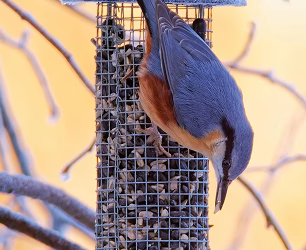
Cole’s Wild Bird Seed
Premium, all-natural seed blends formulated to attract more songbirds and fewer freeloaders.

Cold Creek's Home & Garden Store in Aiken is where the garden comes indoors. You'll find curated home décor, indoor pottery, faux botanicals, heirloom-quality garden tools, birding supplies, and thoughtful gifts, each chosen for craftsmanship and lasting beauty. Stop in for a hostess gift, a seasonal refresh, or something special for the gardener in your life, and our team will help you find just the right piece.
Transform your space with a thoughtfully curated home garden collection designed to bring the beauty of nature into everyday living. At Cold Creek, home gardening isn’t about growing plants; it’s about creating a lifestyle that blends home decor with an indoor garden feel.
Rooted in intentional home garden design, this collection focuses on pieces that effortlessly introduce natural elements into your space. Faux botanicals add softness without maintenance, making it easy to enjoy the look of a garden indoors all year round while enhancing aesthetic home decor. Garden-inspired accents and decorative pots further enhance the aesthetic, helping you create a space that feels organic and inviting.
Beyond decor, select essentials like bird seed encourage outdoor activity just beyond your windows, while well-crafted garden tools bring a sense of tradition into your home. This is home gardening redefined, less about planting and more about bringing the garden inside through nature inspired home decor.
Transform your home into a calm, nature-inspired retreat with carefully selected pieces that blend home and decor with an indoor garden feel. At Cold Creek, the focus is not on traditional gardening; it’s about bringing the garden inside the home through beautiful, functional, and design-led elements that enhance everyday living while embracing natural home decor.
Transform your home into a calm, nature-inspired retreat with carefully selected pieces that blend home and decor with an indoor garden feel. At Cold Creek, the focus is not on traditional gardening; it’s about bringing the garden inside the home through beautiful, functional, and design-led elements that enhance everyday living while embracing natural home decor.
Premium, all-natural seed blends formulated to attract more songbirds and fewer freeloaders.
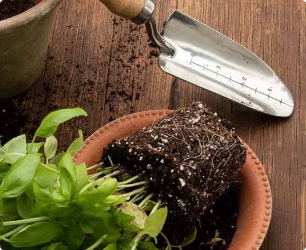
British-made garden tools with nearly 300 years of craftsmanship behind every cut, dig, and weed.
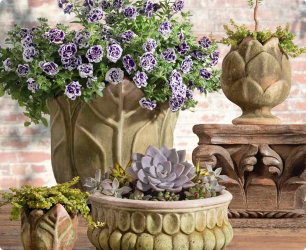
Handcrafted terracotta planters that grow a living patina of moss over time.
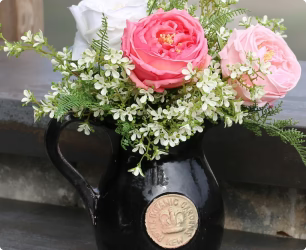
Hand-thrown terracotta pottery licensed by London's Royal Botanic Gardens.
Joseph
Fell in love with this place. I ran in for a couple of specific plants and everyone was helpful, the greenhouses were well kept, the plants were fresh and thriving, and the prices were reasonable. Had to bring my wife back because the place is gorgeous, like the Biltmore gardens but with price tags. Signed up for rewards and left with an olive tree, a blueberry bush, and some herbs. They've got fresh produce in the on-site market too, the strawberries and tomatoes looked amazing.
Traci
Great selection of plants and trees, plus a fresh food market. The staff are knowledgeable and very pleasant.
Angela S
Wonderful experience. The staff was welcoming and friendly
Bill S
Great plants and very helpful people. We love this nursery.
Donald W
Great selection and an extremely knowledgeable crew. Very helpful with purchasing, instructions, and loading up when needed.

Unscented candles are more versatile than you might think. Whether you have elegant pillar candles or slender taper candles, they can transform your home, enhance your table centerpieces, and create cozy ambiance—without overpowering the aroma of your food. Here are six creative ways to make the most of unscented candles: 1. Romantic Dinner Candles and Elegant Table Centerpieces Unscented candles are perfect for setting the mood at the dinner table. Mix tall taper candles with shorter pillar candles on a tray, and surround them with seasonal foliage, decorative stones, or pinecones to create an elegant centerpiece. Because they’re unscented, these candles allow the aroma of your meals to shine, making every dinner—whether romantic or casual—feel special and inviting. 2. Lanterns and Candle Holder Ideas Bring charm and sophistication to any space with pillar or taper candles in lanterns or glass candle holders. Use them on a mantel, side table, or outdoor patio for a warm, flickering glow. Combining different candle heights adds visual interest and depth, creating a stylish display that enhances any room or outdoor setting. 3. DIY Candle Decorating Unscented candles serve as the perfect canvas for DIY decorating projects. Try painting, decoupaging, or wrapping them with twine, ribbons, or greenery to match seasonal decor or personal style. These creative touches can transform simple candles into stunning home accents, party favors, or centerpiece elements. 4. Candles for Bath and Relaxation Elevate your self-care routine by adding unscented candles to your bath. Their soft glow promotes calm and relaxation without interfering with the scents of bath oils, bubble baths, or soaps. Pillar and taper candles strategically placed around your tub can turn an ordinary bath into a spa-like retreat. 5. Outdoor Candle Decor for Events Unscented candles are ideal for weddings, backyard dinners, or garden parties. Their gentle light enhances the ambiance without competing with the natural scents of food or flowers. Use them in lanterns, votives, or outdoor table centerpieces to create a warm and inviting atmosphere for guests. 6. Emergency Candles for Home Use Keep a few unscented candles on hand for practical purposes like power outages. Their neutral fragrance and elegant design make them reliable and multi-purpose household staples. Pillar and taper candles are not only functional but also stylish, ensuring your home stays lit with charm in any situation. Unscented candles are far more than simple decor—they’re versatile tools for creating ambiance, inspiring creativity, and providing practical solutions. Whether you’re hosting a romantic dinner, relaxing in the bath, decorating for outdoor events, or preparing for emergencies, these candles bring warmth, elegance, and style to any setting.
Unscented candles are more versatile than you might think. Whether you have elegant pillar candles or slender taper candles, they can transform your home, enhance your table centerpieces, and create cozy ambiance—without overpowering the aroma of your food. Here are six creative ways to make the most of unscented candles: 1. Romantic Dinner Candles and Elegant Table Centerpieces Unscented candles are perfect for setting the mood at the dinner table. Mix tall taper candles with shorter pillar candles on a tray, and surround them with seasonal foliage, decorative stones, or pinecones to create an elegant centerpiece. Because they’re unscented, these candles allow the aroma of your meals to shine, making every dinner—whether romantic or casual—feel special and inviting. 2. Lanterns and Candle Holder Ideas Bring charm and sophistication to any space with pillar or taper candles in lanterns or glass candle holders. Use them on a mantel, side table, or outdoor patio for a warm, flickering glow. Combining different candle heights adds visual interest and depth, creating a stylish display that enhances any room or outdoor setting. 3. DIY Candle Decorating Unscented candles serve as the perfect canvas for DIY decorating projects. Try painting, decoupaging, or wrapping them with twine, ribbons, or greenery to match seasonal decor or personal style. These creative touches can transform simple candles into stunning home accents, party favors, or centerpiece elements. 4. Candles for Bath and Relaxation Elevate your self-care routine by adding unscented candles to your bath. Their soft glow promotes calm and relaxation without interfering with the scents of bath oils, bubble baths, or soaps. Pillar and taper candles strategically placed around your tub can turn an ordinary bath into a spa-like retreat. 5. Outdoor Candle Decor for Events Unscented candles are ideal for weddings, backyard dinners, or garden parties. Their gentle light enhances the ambiance without competing with the natural scents of food or flowers. Use them in lanterns, votives, or outdoor table centerpieces to create a warm and inviting atmosphere for guests. 6. Emergency Candles for Home Use Keep a few unscented candles on hand for practical purposes like power outages. Their neutral fragrance and elegant design make them reliable and multi-purpose household staples. Pillar and taper candles are not only functional but also stylish, ensuring your home stays lit with charm in any situation. Unscented candles are far more than simple decor—they’re versatile tools for creating ambiance, inspiring creativity, and providing practical solutions. Whether you’re hosting a romantic dinner, relaxing in the bath, decorating for outdoor events, or preparing for emergencies, these candles bring warmth, elegance, and style to any setting.
READ MORE
“I’m sorry. What’s your name again?” Prescription: A puzzle a day may help keep brain fog away. Interesting enough, your brain actually likes the way you think when working on a jigsaw puzzle. There’s proof. Any mental workout that exercises your brain improves your thought processes. Puzzles fit nicely into this category. When you’re working on a puzzle lots of good things happen. Jigsaw puzzle assembly exercises both your left side, analytic, linear and right side, the creative side of your mind. Bill Gates tries to work on a puzzle a day, that he claims improves his problem-solving skills. He may have read that if you spend 25 minutes a day on a jigsaw puzzle, this activity can boost your IQ by 4 points according to a University of Michigan study on the subject, conducted by Susanne Jäggi and Martin Buschkuehl. When one of the icons of tech looks forward to turning away from screens with a jigsaw puzzle, we may want to follow his lead. A jigsaw puzzle is real, and it takes more than one thumb to accomplish the satisfaction of its completion, with no need for a battery charge to get there. Need more proof about how good puzzling can be? Jigsaw puzzles improve your short-term memory. You may be able to remember someone’s name more easily if you puzzle frequently. Doing a puzzle regularly has been proven to increase your mental speed and memory. When you work on a puzzle, you’re thinking about the big picture, while dealing with all those small pieces spread all over the place. Good for you. Your brain’s ability to discern visual-spatial relationships is being leveraged. Practically speaking, exercising this kind of reasoning helps when you’re parking a car, reading a GPS, learning dance steps and a whole bunch of other useful skills. Jigsaw puzzles are notorious as stress relievers. When you’re concentrating on one action for a long period of time, everyday stress seems to melt away. And all that peace and tranquility improves your blood pressure and heart rate. Why not tell your physician all your good numbers may be a combination of her practice, and yours. Puzzles present an opportunity to gather a family together. Everybody gets a piece of the action, and the glue that holds the family together is found in a common goal that produces a beautiful outcome. On the other side of the coin, puzzles can give you a perfect excuse to ask for some alone time, while you tackle a mind-bending puzzle in peaceful reverie as the too-busy world fades from awareness. There are more wonderful benefits to working on a complex puzzle, but, I have to go now, I’m working on a particularly challenging puzzle and I need some alone time to figure it out. 1. Jäggi, Susanne M. and Buschkuehl, Martin, Surprising Benefits Of Puzzles for our Brain, Accessed 7/12/22, https://cubelelo..com
“I’m sorry. What’s your name again?” Prescription: A puzzle a day may help keep brain fog away. Interesting enough, your brain actually likes the way you think when working on a jigsaw puzzle. There’s proof. Any mental workout that exercises your brain improves your thought processes. Puzzles fit nicely into this category. When you’re working on a puzzle lots of good things happen. Jigsaw puzzle assembly exercises both your left side, analytic, linear and right side, the creative side of your mind. Bill Gates tries to work on a puzzle a day, that he claims improves his problem-solving skills. He may have read that if you spend 25 minutes a day on a jigsaw puzzle, this activity can boost your IQ by 4 points according to a University of Michigan study on the subject, conducted by Susanne Jäggi and Martin Buschkuehl. When one of the icons of tech looks forward to turning away from screens with a jigsaw puzzle, we may want to follow his lead. A jigsaw puzzle is real, and it takes more than one thumb to accomplish the satisfaction of its completion, with no need for a battery charge to get there. Need more proof about how good puzzling can be? Jigsaw puzzles improve your short-term memory. You may be able to remember someone’s name more easily if you puzzle frequently. Doing a puzzle regularly has been proven to increase your mental speed and memory. When you work on a puzzle, you’re thinking about the big picture, while dealing with all those small pieces spread all over the place. Good for you. Your brain’s ability to discern visual-spatial relationships is being leveraged. Practically speaking, exercising this kind of reasoning helps when you’re parking a car, reading a GPS, learning dance steps and a whole bunch of other useful skills. Jigsaw puzzles are notorious as stress relievers. When you’re concentrating on one action for a long period of time, everyday stress seems to melt away. And all that peace and tranquility improves your blood pressure and heart rate. Why not tell your physician all your good numbers may be a combination of her practice, and yours. Puzzles present an opportunity to gather a family together. Everybody gets a piece of the action, and the glue that holds the family together is found in a common goal that produces a beautiful outcome. On the other side of the coin, puzzles can give you a perfect excuse to ask for some alone time, while you tackle a mind-bending puzzle in peaceful reverie as the too-busy world fades from awareness. There are more wonderful benefits to working on a complex puzzle, but, I have to go now, I’m working on a particularly challenging puzzle and I need some alone time to figure it out. 1. Jäggi, Susanne M. and Buschkuehl, Martin, Surprising Benefits Of Puzzles for our Brain, Accessed 7/12/22, https://cubelelo..com
READ MORE
In one way a dibbler is the opposite of a more familiar word: dabbler, even though the name’s origin probably converged at some point in history. Dabblers are often defined as people who do not take things too seriously. The dibbler borrows a bit of meaning as to its function from dabbling, or, dipping in and out repeatedly, originally referring to water. The dibbler, on the other hand, is something that a committed gardener can really learn to love, and, ultimately, cannot imagine having lived without. (What was I thinking? A mere spade is so… yesterday.) The dibbler is an Australian term for a gardener’s tool that helps efficiently plant a flower or vegetable seed into the ground. Also, a tuber, small plant or a bulb. In fact, a dibbler is often called a “bulb planter”. Dibblers come in a several shapes and designs including the T-handled dibber, the classic straight shaft dibber, a trowel dibber and, originally, a sharp pointed wooden stick dibbler used by farmers during the Roman Empire. Then, it took two Roman farmers to use the tool. One would plunge a long, sharp stick into the ground. Then, a trailing farmer would drop a seedling into the freshly-made hole and cover it with soil. Around two centuries ago, England’s first gardening tool maker created the perfected version of a dibbler, constructed out of Sheffield sterling silver and outfitted with a wooden handle for comfort. Aristocratic though it was, the idea made perfect sense. Now, why might you want to use a dibbler, you ask, when you could just as easily use your finger to poke a hole into the soil to make a place for that seed or bulb? Because it plays havoc with your manicure, for one thing, and because specialized tools are just so, well… cool. Efficiency is another. The ideal dibbler helps guide your dig in one simple motion to just the right depth for what you’re planting. If your tool has a wooden crafted handle, it’s built for comfort, and gloves can fall by the wayside while dibbling, no matter how large your garden plot. However, if you’re unsure of the difference between a weed and a flower, the dibbler may not be for you just yet. The dibbler is for a more involved gardener. They think differently, and are proud of knowing the organics and taxonomy of successful growing. They’re also proud of their armamentarium of tools, that they use for precisely the task for which they were intended. If that’s where you’re headed, welcome to the wonderful world of rewarding gardening at its best. Anyway, that’s what a dibbler is, and why you might want one. Second from right is a stainless steel dibbler, with companion natural-finish wood-handled tools that are a serious gardener’s delight to use.
In one way a dibbler is the opposite of a more familiar word: dabbler, even though the name’s origin probably converged at some point in history. Dabblers are often defined as people who do not take things too seriously. The dibbler borrows a bit of meaning as to its function from dabbling, or, dipping in and out repeatedly, originally referring to water. The dibbler, on the other hand, is something that a committed gardener can really learn to love, and, ultimately, cannot imagine having lived without. (What was I thinking? A mere spade is so… yesterday.) The dibbler is an Australian term for a gardener’s tool that helps efficiently plant a flower or vegetable seed into the ground. Also, a tuber, small plant or a bulb. In fact, a dibbler is often called a “bulb planter”. Dibblers come in a several shapes and designs including the T-handled dibber, the classic straight shaft dibber, a trowel dibber and, originally, a sharp pointed wooden stick dibbler used by farmers during the Roman Empire. Then, it took two Roman farmers to use the tool. One would plunge a long, sharp stick into the ground. Then, a trailing farmer would drop a seedling into the freshly-made hole and cover it with soil. Around two centuries ago, England’s first gardening tool maker created the perfected version of a dibbler, constructed out of Sheffield sterling silver and outfitted with a wooden handle for comfort. Aristocratic though it was, the idea made perfect sense. Now, why might you want to use a dibbler, you ask, when you could just as easily use your finger to poke a hole into the soil to make a place for that seed or bulb? Because it plays havoc with your manicure, for one thing, and because specialized tools are just so, well… cool. Efficiency is another. The ideal dibbler helps guide your dig in one simple motion to just the right depth for what you’re planting. If your tool has a wooden crafted handle, it’s built for comfort, and gloves can fall by the wayside while dibbling, no matter how large your garden plot. However, if you’re unsure of the difference between a weed and a flower, the dibbler may not be for you just yet. The dibbler is for a more involved gardener. They think differently, and are proud of knowing the organics and taxonomy of successful growing. They’re also proud of their armamentarium of tools, that they use for precisely the task for which they were intended. If that’s where you’re headed, welcome to the wonderful world of rewarding gardening at its best. Anyway, that’s what a dibbler is, and why you might want one. Second from right is a stainless steel dibbler, with companion natural-finish wood-handled tools that are a serious gardener’s delight to use.
READ MORE
How to Grow Lavender in Containers Lavender is a fragrant flowering herb with origins in the Mediterranean. It likes heat, full sun, and well-drained sandy soil. It does not like to be damp or cold. It needs water, but should be allowed to dry out between waterings. Lavender can do quite well in containers. One advantage of container-growing lavender is the option to protect it from the occasional cold spell we experience in the Southeastern US. Outdoor lavender pots can be moved into a sunny indoor location and back outdoors again when the cold spell passes. Lavender can be grown from cuttings as well as seeds. Cuttings will sprout in 2-3 weeks. To grow by cutting, make cuts just below where a set of leaves joins a healthy-looking stem. Dip the cut end in root hormone and poke into warm, moist sandy soil in a location with full sun. Once rooted, it does best in a pot that drains quickly when watered. This can be aided by using pots with multiple drain holes, and if indoors, using a non-attached saucer under the pot that can be drained. Use an alkaline, sandy, well-draining potting mix with slow-release fertilizer pellets. Allow the Lavender to dry out fully between waterings, and water sparingly. Natural clay pots are a good choice for lavender because evaporation after watering occurs more quickly in unglazed clay pots. And the naturally warm buff color range of unglazed clay containers compliments lavender’s purple flowers well. Enjoying Lavender Beyond the Garden The captivating scent of lavender has been celebrated for centuries among many cultures. Its aroma has long been associated with calming nerves and promoting relaxation. Studies indicate lavender essential oil may be effective for improving sleep quality for people who have difficulty sleeping. Lavender essential oil should not be ingested, but its use in aromatherapy has shown promise in various studies for its effectiveness in reducing pain during labor, lowering blood pressure, and treating anxiety and stress. The fresh leaves from your container-grown plants can be steeped in hot water to make tea. In addition to the pleasure of its minty floral flavor, tea made from lavender has calming properties that may help promote falling asleep more easily when consumed at bedtime. Lavender is one of the herbs used in herbs de Provence, a mix of aromatic herbs of the Mediterranean that is most often used in chicken, pork, and fish dishes. As a key player in this mild combination of herbs that is used extensively in provincial French cuisine, it is essential. Used alone in cooking, lavender can be too intensely floral and should be used sparingly, to taste. It’s also well suited as a flavoring in fatty sweets such as chocolate and chocolate desserts, ice cream and buttery scones and cookies. Lavender infused honey produced by bees that forage in the wild areas of Edisto, South Carolina is an intriguing and convenient way to add the flavor and scent of lavender to coffee, tea, cocktails, mocktails and baking. Natural raw honey from the region that is infused with lavender is an earth-sustaining plant-based sweetener that brings additional nutritional environmental and health benefits to your lavender enjoyment experience.
How to Grow Lavender in Containers Lavender is a fragrant flowering herb with origins in the Mediterranean. It likes heat, full sun, and well-drained sandy soil. It does not like to be damp or cold. It needs water, but should be allowed to dry out between waterings. Lavender can do quite well in containers. One advantage of container-growing lavender is the option to protect it from the occasional cold spell we experience in the Southeastern US. Outdoor lavender pots can be moved into a sunny indoor location and back outdoors again when the cold spell passes. Lavender can be grown from cuttings as well as seeds. Cuttings will sprout in 2-3 weeks. To grow by cutting, make cuts just below where a set of leaves joins a healthy-looking stem. Dip the cut end in root hormone and poke into warm, moist sandy soil in a location with full sun. Once rooted, it does best in a pot that drains quickly when watered. This can be aided by using pots with multiple drain holes, and if indoors, using a non-attached saucer under the pot that can be drained. Use an alkaline, sandy, well-draining potting mix with slow-release fertilizer pellets. Allow the Lavender to dry out fully between waterings, and water sparingly. Natural clay pots are a good choice for lavender because evaporation after watering occurs more quickly in unglazed clay pots. And the naturally warm buff color range of unglazed clay containers compliments lavender’s purple flowers well. Enjoying Lavender Beyond the Garden The captivating scent of lavender has been celebrated for centuries among many cultures. Its aroma has long been associated with calming nerves and promoting relaxation. Studies indicate lavender essential oil may be effective for improving sleep quality for people who have difficulty sleeping. Lavender essential oil should not be ingested, but its use in aromatherapy has shown promise in various studies for its effectiveness in reducing pain during labor, lowering blood pressure, and treating anxiety and stress. The fresh leaves from your container-grown plants can be steeped in hot water to make tea. In addition to the pleasure of its minty floral flavor, tea made from lavender has calming properties that may help promote falling asleep more easily when consumed at bedtime. Lavender is one of the herbs used in herbs de Provence, a mix of aromatic herbs of the Mediterranean that is most often used in chicken, pork, and fish dishes. As a key player in this mild combination of herbs that is used extensively in provincial French cuisine, it is essential. Used alone in cooking, lavender can be too intensely floral and should be used sparingly, to taste. It’s also well suited as a flavoring in fatty sweets such as chocolate and chocolate desserts, ice cream and buttery scones and cookies. Lavender infused honey produced by bees that forage in the wild areas of Edisto, South Carolina is an intriguing and convenient way to add the flavor and scent of lavender to coffee, tea, cocktails, mocktails and baking. Natural raw honey from the region that is infused with lavender is an earth-sustaining plant-based sweetener that brings additional nutritional environmental and health benefits to your lavender enjoyment experience.
READ MORE
Hydrangeas don’t have to be fleeting. With a little TLC, your vase of blooms can stay beautiful and full for up to a week—or longer. Whether you're clipping from your garden or bringing home a bouquet, these simple steps will keep your hydrangeas fresh and lovely.
Hydrangeas don’t have to be fleeting. With a little TLC, your vase of blooms can stay beautiful and full for up to a week—or longer. Whether you're clipping from your garden or bringing home a bouquet, these simple steps will keep your hydrangeas fresh and lovely.
READ MORE